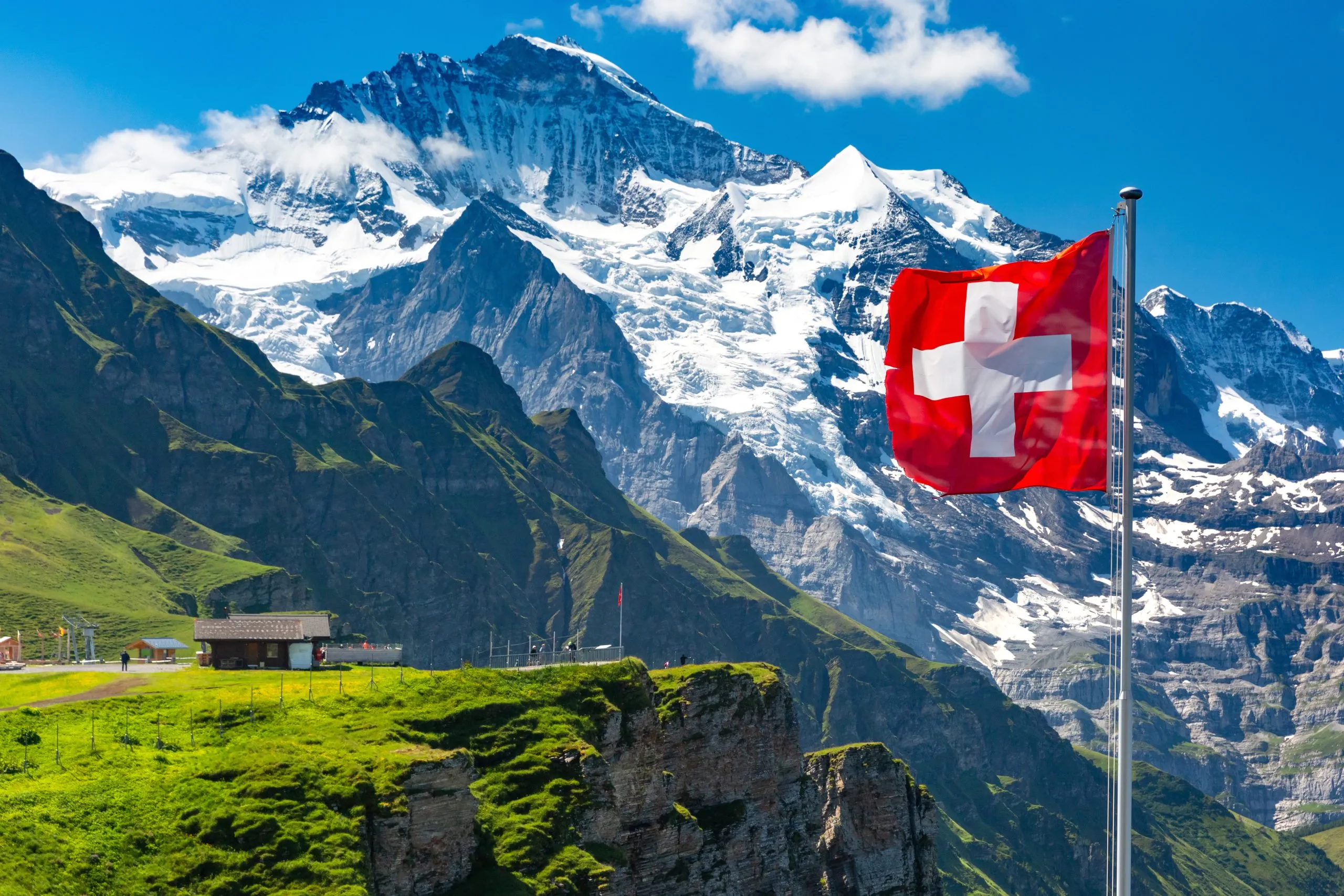
Switzerland is characterised by its snow-capped Alpine peaks, historic towns, breathtaking waterfalls, and picturesque lakes. It also represents a structured lifestyle free from chaos and features inviting cafés filled with the delightful aroma of coffee and chocolate. These elements have long been associated with affluence, stability, and respectability.
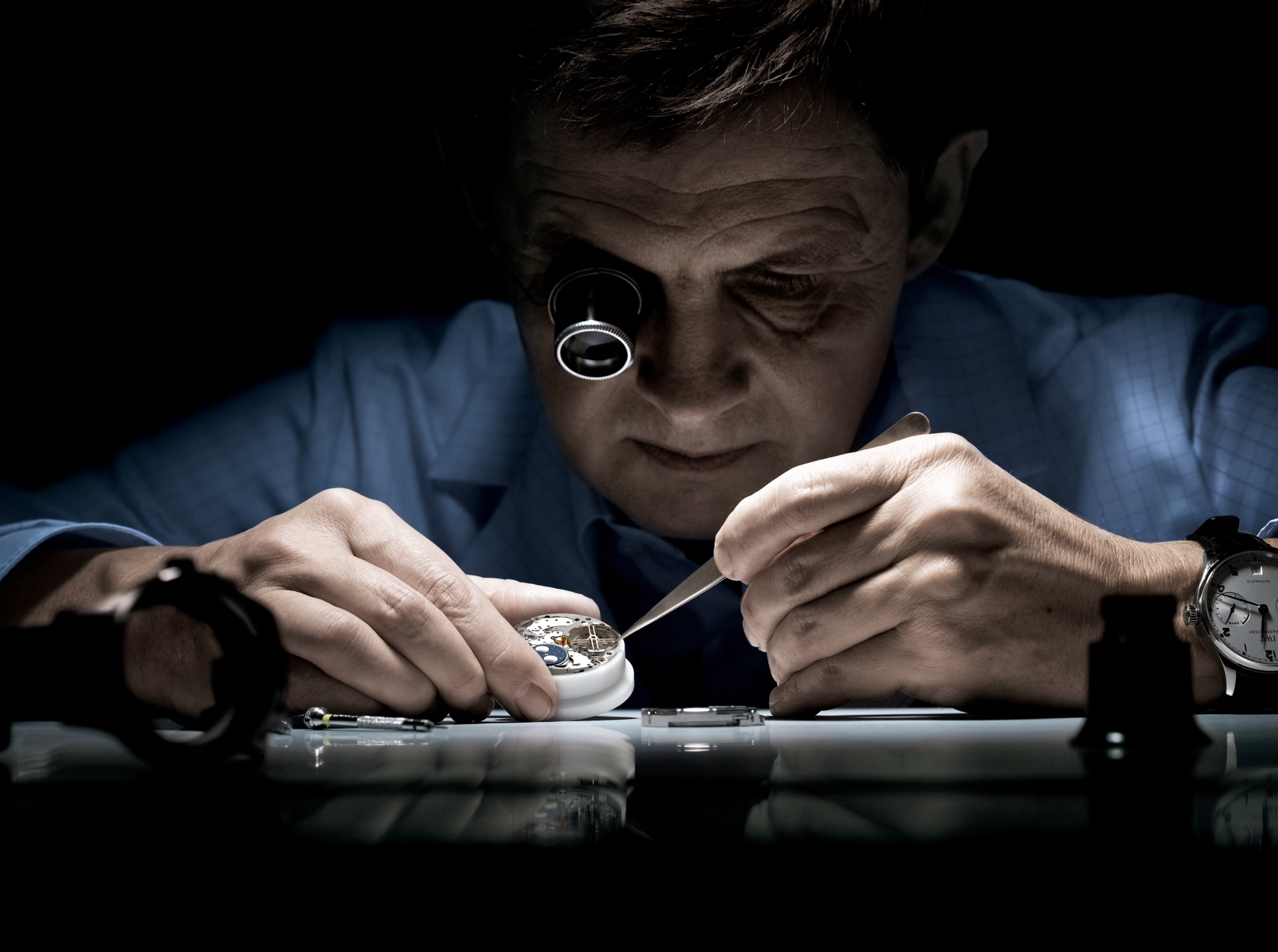
Swiss timepieces have established themselves as the standard for precision many years ago. Swiss financial institutions are viewed as the most trustworthy places to safeguard substantial sums of money: they have never experienced a robbery in their entire history.
The citizens of Switzerland are prosperous and content, having been untouched by war for over three hundred years. The bright red Swiss passport adorned with a white cross is the most sought-after document for those aspiring to acquire new citizenship.
Overview
Switzerland is a compact Alpine federation. While it lacks any maritime borders, this does not prevent it from having a highly developed merchant shipping industry, which is the largest among all completely landlocked nations. The majority of Swiss land is dominated by the Alps and the Jura Mountains, with the remainder comprising plateaus.
Historical Background
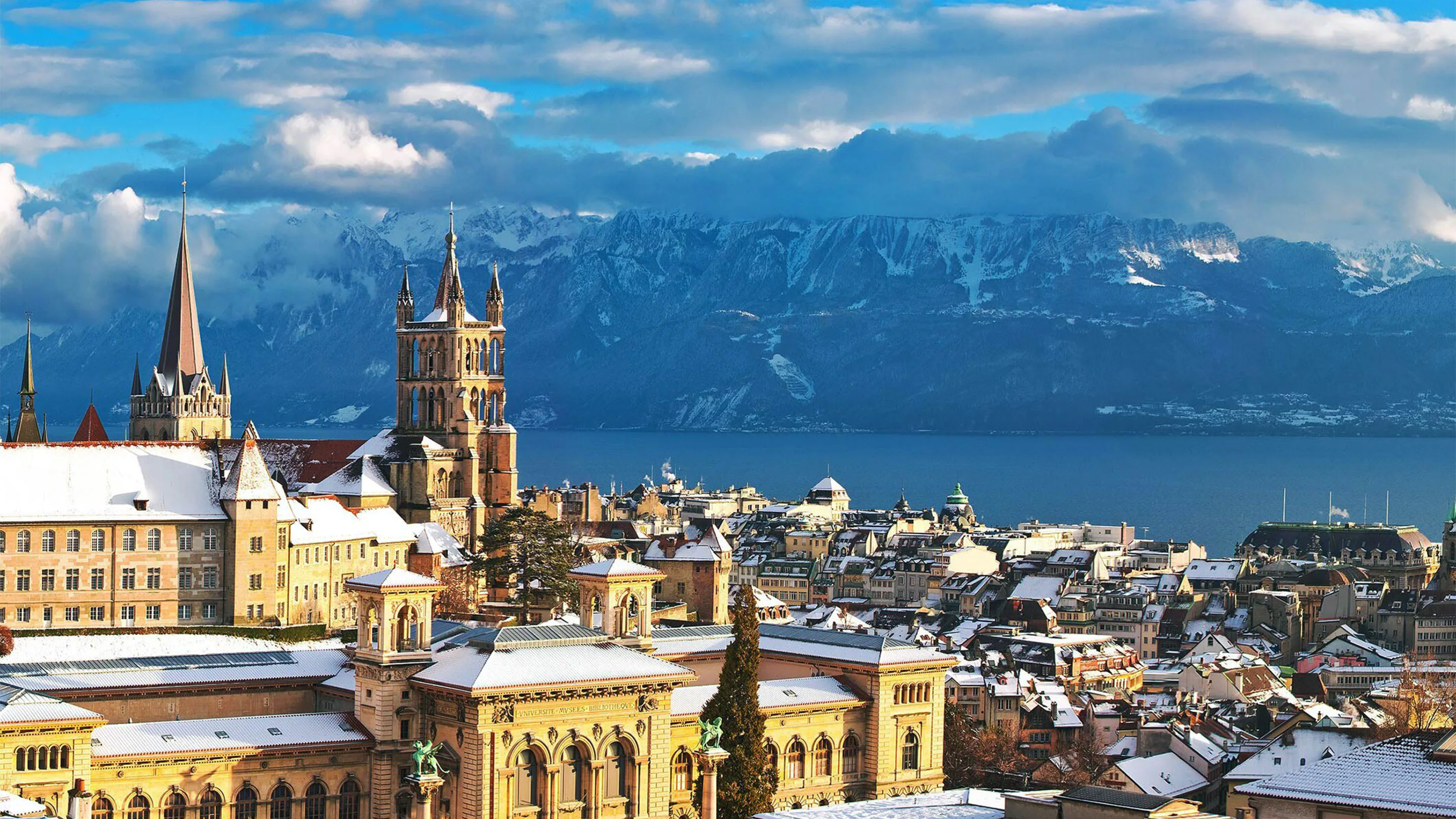
Switzerland came to be recognised on the global stage through the Helvetians (Celtic tribes) and the Romans, who subsequently took control of these regions. The influence of Roman governance played a significant role in the establishment of the earliest cities that still stand today – Geneva, Lausanne, Zurich, and Basel. Their historical narrative now spans several millennia.
Subsequent changes in power dynamics occurred. The Romans were succeeded by the Burgundians, who were then followed by the Alemanni and the Franks. During the Middle Ages, Switzerland was a land fragmented into several weak kingdoms, which were inherited by the descendants of Emperor Charles the Great.
In the 11th century, the Old Swiss Confederacy was formed as a coalition of autonomous cities that progressively grew in strength. Triumphs in various conflicts against the Holy Roman Empire resulted in the de facto independence of the union. Additionally, these victories laid the groundwork for the policy of neutrality that Switzerland maintains to this day.
This neutral position was formally established in 1815.
Following this, the Reformation occurred, which was subsequently accompanied by both religious and civil wars. Switzerland became divided into Catholic and Protestant regions, with the western cantons predominantly aligning with the Protestant side. These areas served as a sanctuary for the Huguenot families fleeing persecution from Catholics.
The migrants included numerous jewellers, watchmakers, and bankers. This marked the beginning of the primary trajectory of Swiss economic growth, a path that continues to be followed today.
It took a few centuries to trial the dissolution of the federal-state structure, the establishment of a republic, the restoration of the confederation status, and the creation of all branches of government.
In 1848, the Constitution was ratified, which also led to the formation of the two-chamber Federal Assembly, the Federal Council, and the Federal Supreme Court. The designation ‘Swiss Confederation’ has been preserved since 1850.
During this period, the Swiss franc was introduced as the national currency. It has remained the official currency of both Switzerland and Liechtenstein.
The Confederation has four official languages: French, German, and Italian hold federal status and are required to be used throughout the nation. The Romansh language is spoken in Graubünden, a canton with a population of 39,000. While it is an official language, its status is regional.
The Swiss Confederation is composed of 26 cantons and has a population of 8.5 million, with 25% of residents being migrants from various parts of the globe.
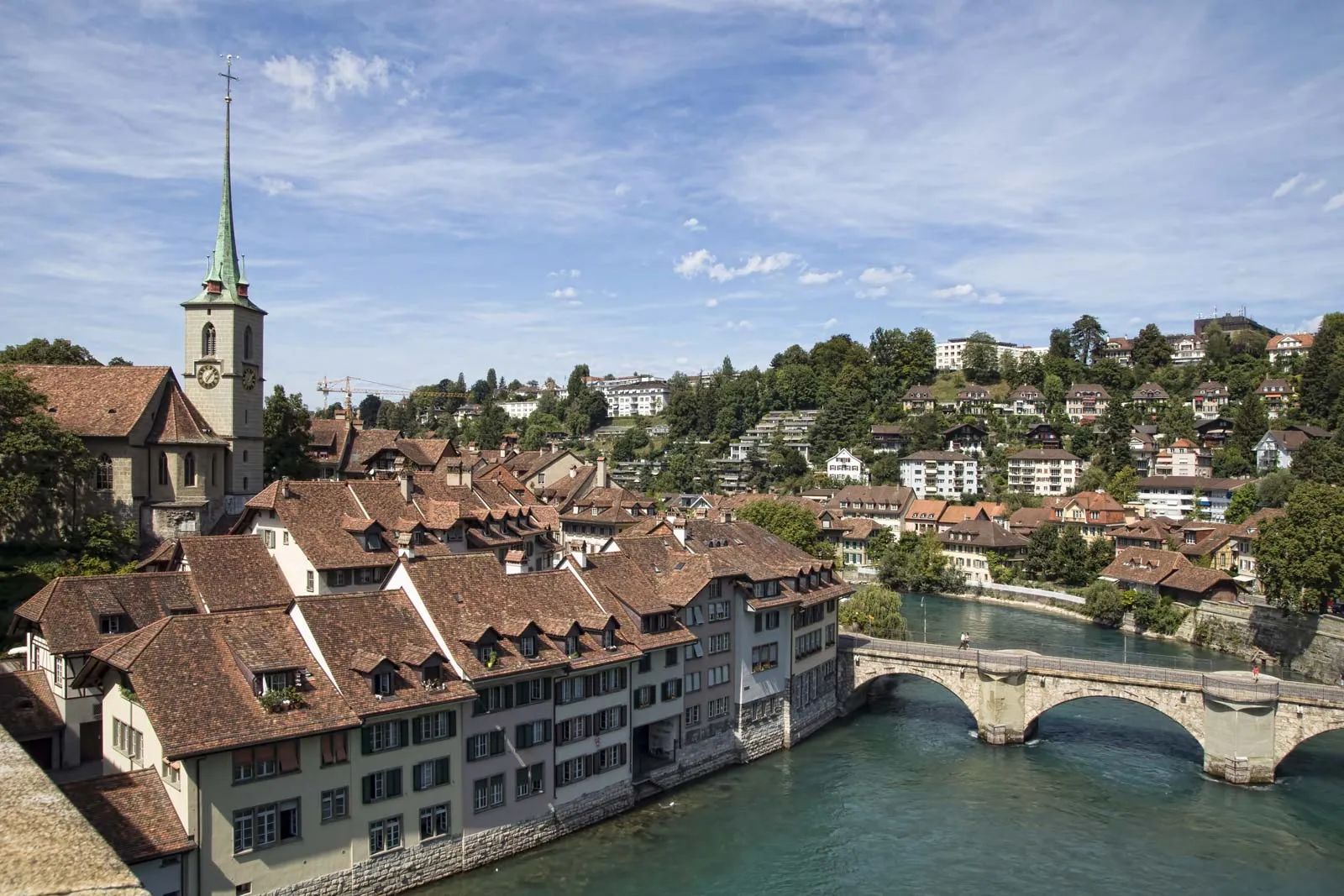
Switzerland does not have a single capital; however, Bern, the capital of the central canton, effectively serves this role. Bern has a population of 140,000, primarily consisting of German-speaking Swiss and migrants from Germany and Italy. Other major cities include Zurich, Lausanne, Aargau, and Geneva.
Weather Conditions
The mountainous location has influenced the climate in Switzerland. The winters are characterised by cold temperatures and snowfall, while the summers tend to be pleasantly warm. These characteristics reflect the continental climate that is common throughout central Europe.
Getting There
Switzerland shares its borders with Italy to the south, Germany to the north, Austria and Liechtenstein to the east, and France to the west, where Lake Geneva acts as a natural divider between the two nations.
Consequently, reaching Switzerland from Germany, Italy, France, and Austria is more straightforward. There are rapid train services along with efficient bus and flight options available.
Accommodation
When selecting a holiday destination in Switzerland, both the purpose of the trip and the travel budget are crucial, more so than in any other part of Europe.
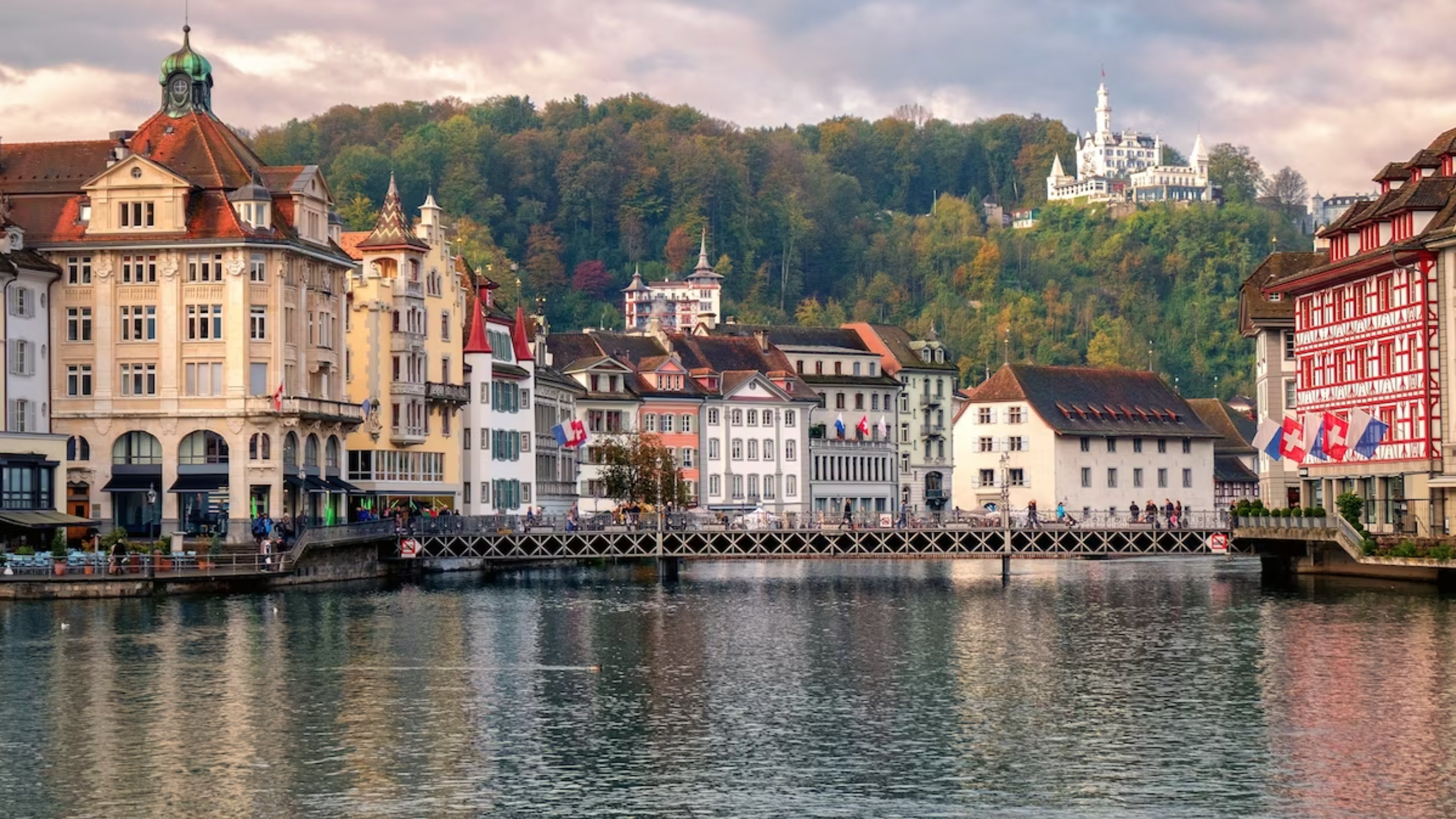
Affluent travellers tend to favour cities like Zurich and Geneva, as well as high-end resorts such as Zermatt or St. Moritz.
Those looking for budget-friendly options often opt for border towns like Basel (which is close to Germany and France) or Lugano (a charming town near the Italian border).
Comparing hotel room rates in Zurich or Bern with those in Basel reveals that a room of similar quality costs €100 in Zurich and €30-€40 in Basel per night.
A similar analysis can be applied to dining costs. In a major city, the minimum restaurant bill will be €30 (excluding alcohol), while a lunch in Lugano will be half that price. Snacks are even more affordable, costing around €5.
Lucerne strikes a balance, with reasonable prices and just an hour’s journey to Zurich from the city.
Here are several hotel room options available in Switzerland:
- Waldhotel Unspunnen is a two-star establishment in Interlaken featuring comfortable and tidy rooms, along with free parking and Wi-Fi.
- Primestay Schweiz AG is an economical hotel located near Zurich, offering bright rooms with private bathrooms and complimentary Wi-Fi.
- Green Marmot Capsule Hotel Zürich, situated close to the Limmat river, provides basic amenities and shared bathrooms, with excellent service.
- Restaurant & Hostel Rendez-vous is conveniently positioned near the Oeschinensee gondola lift, boasting high-quality dining and service.
- Jugendherberge Lugano is a youth hostel in Lugano that offers both private and shared rooms, a swimming pool, and a kitchen, with breakfast included in the rate. Free Wi-Fi is available.
The nightly rates for all the aforementioned hotels do not exceed €60.
Another accommodation alternative in Switzerland involves renting a room from Swiss families, who often provide inexpensive dinners and guided tours in addition to the room.
Recently, Serviced Apartments have become increasingly popular. Although the short-term rental apartments are not particularly spacious (approximately 40m²) by Swiss standards, they are significantly cheaper than hotel rooms.
Attractions to Explore
The stunning landscapes, towering peaks, and remarkable structures of Switzerland will captivate anyone visiting for the first time. Even those who return to this beautiful country often discover something new with each visit.
If you were to envision having just one week to thoroughly enjoy and explore Switzerland, here are five locations that are essential; without them, your journey would lose at least half of its allure:
The Rhine Falls
The 20-metre waterfall is the most powerful and stunning on the entire European continent.
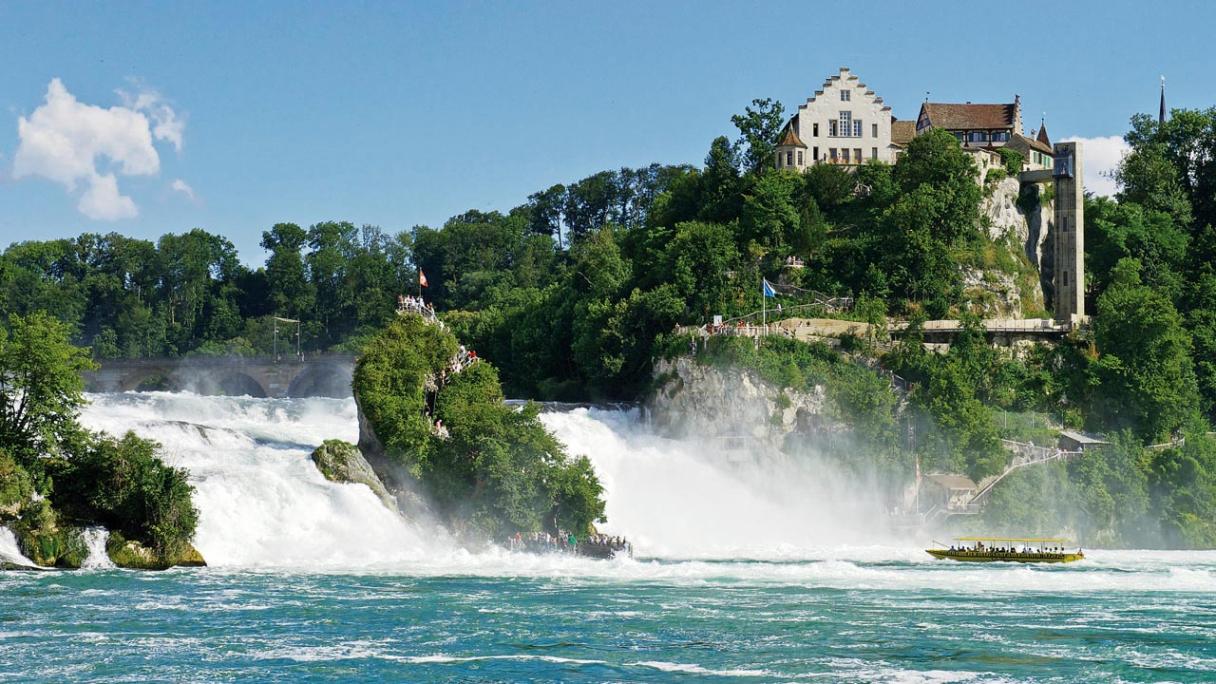
It was created approximately 15,000 years ago in the northern part of Switzerland, not far from Zurich.
Stunning vistas are available from comfortable observation platforms. One can see how the waters of the ancient and formidable Rhine tumble through the forests. Additionally, there are two more attractions close to the waterfall: the historic castles of Laufen and Wörth, which have preserved the essence of the Middle Ages and the romance of knighthood.
Lake Geneva
This largest lake in Europe might even be referred to as a sea. Local transportation includes tourist vessels, motorboats, and ships. The belle epoque style boats particularly capture interest. These paddle steamers have undergone restoration and are now in operation for guided excursions.
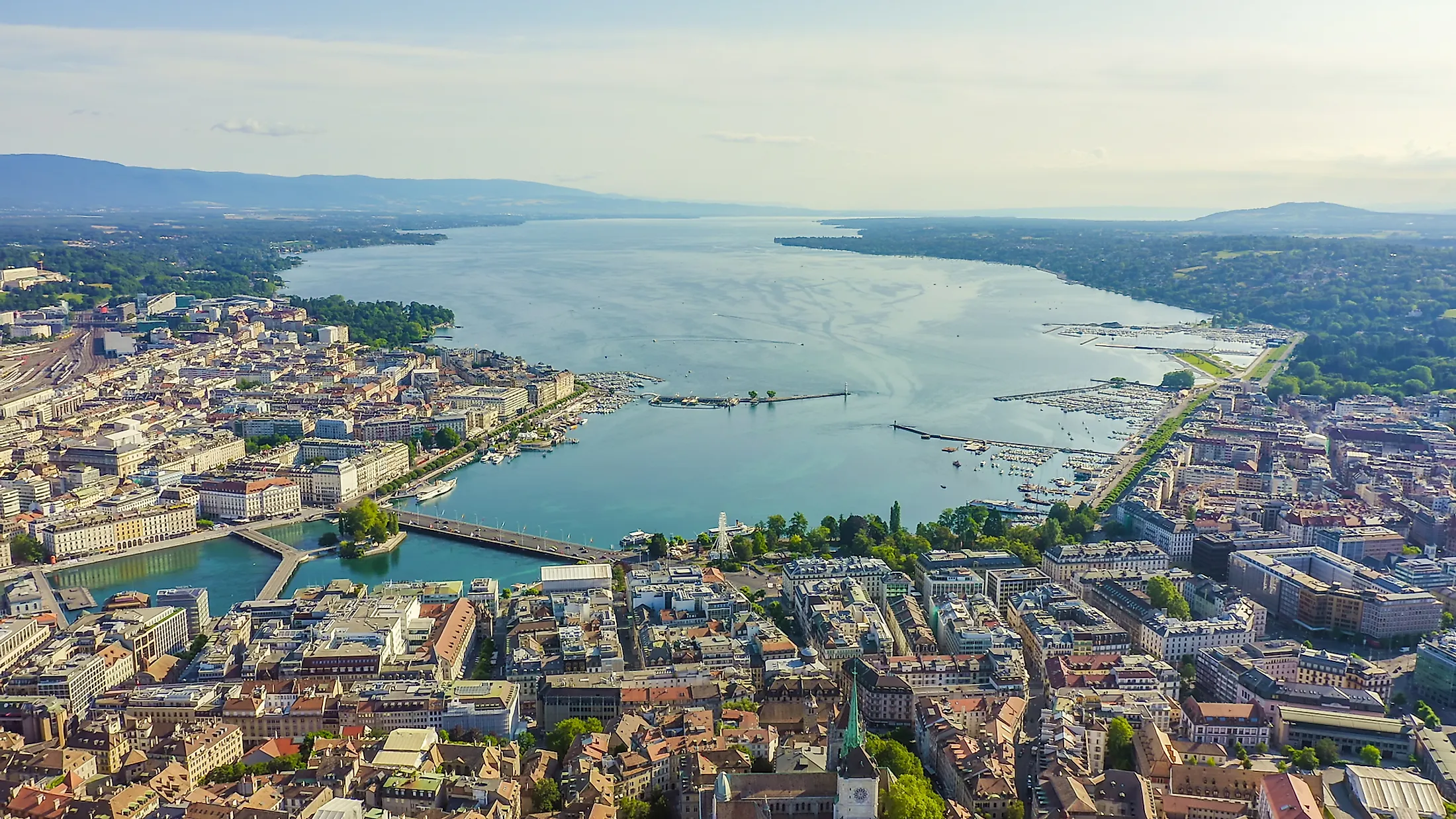
The programme features regular and gourmet cruises, allowing passengers to view the landmarks of Geneva from the water.
Chillon Castle
It is unthinkable to take a guided tour around Lake Geneva without exploring a historic castle from the 9th century. This castle once served as a residence for princes and a stronghold that safeguarded the Via Francigena, the route taken by pilgrims travelling from Italy to England and France.
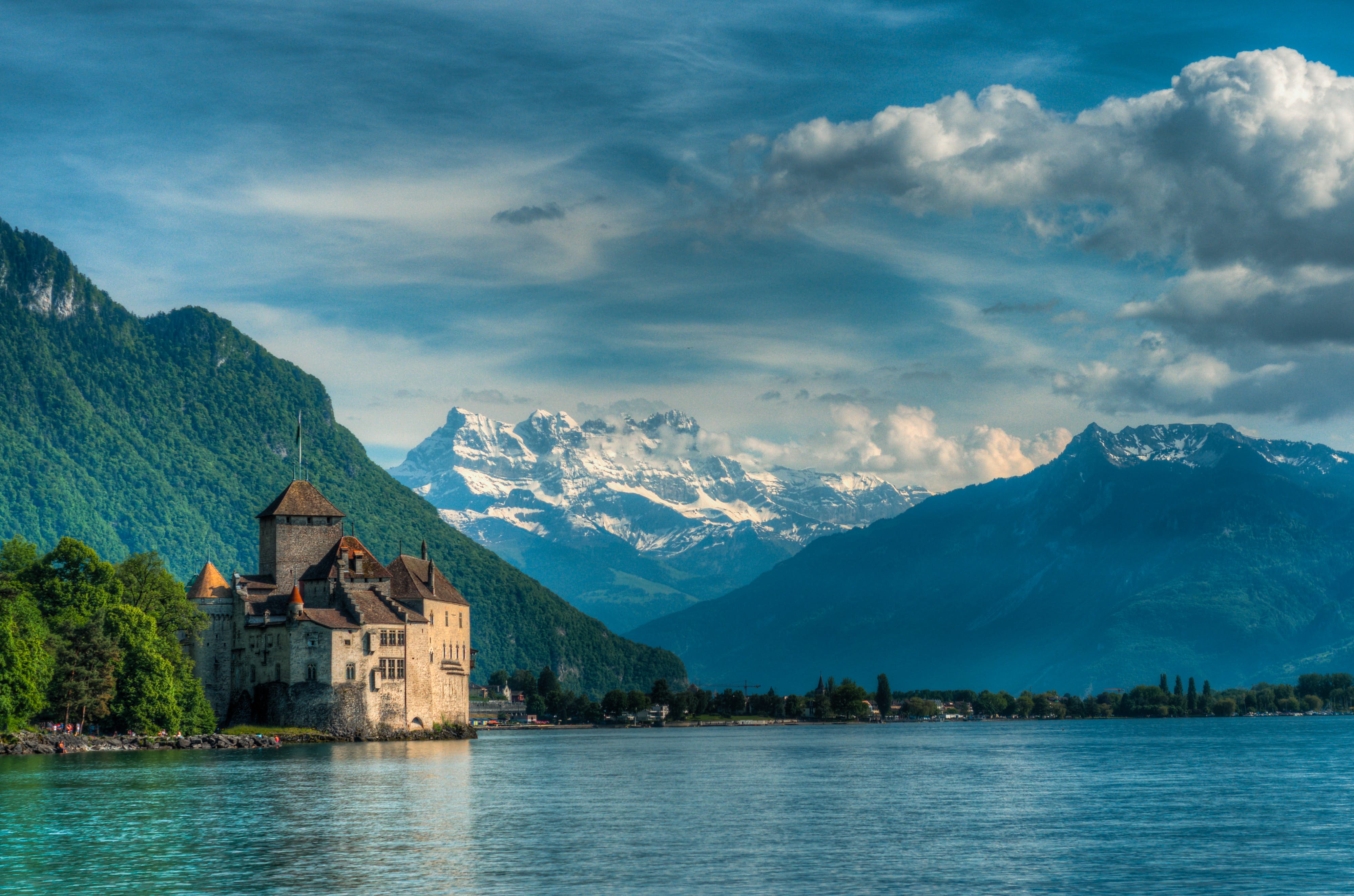
Chillon Castle can be reached by boat from Lake Geneva. Its fully restored chambers house a variety of furniture and utensils dating back to the Middle Ages.
Ballenberg
If you wish to explore an authentic Swiss village that feels as though it has been frozen in time for 50 years, Ballenberg is the perfect choice. This open-air museum showcases rural life, established by dedicated Swiss individuals who were reluctant to tear down their historic homes to make way for new constructions. These individuals successfully disassembled, relocated, and reassembled these structures to preserve the allure of ancient rural life.
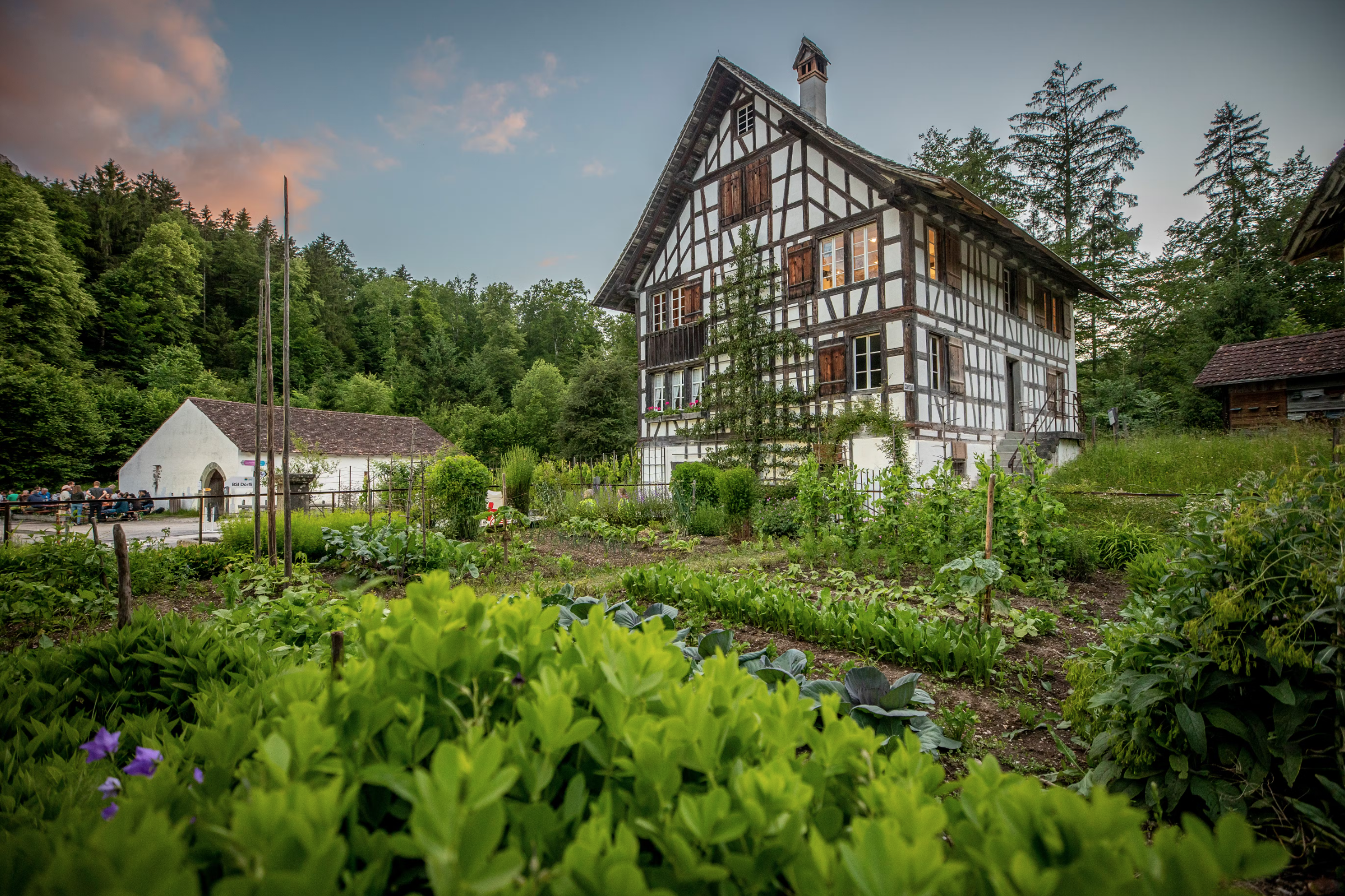
Initially, there were 16 houses, but the concept of relocation received nationwide support. Over time, the village in Ballenberg evolved into a museum complex. Currently, there are over a hundred houses that have been brought in from all cantons.
Zurich’s Historic Centre
The thoroughfares of the historic centre were established during the 9th to 10th centuries. The medieval structures with gabled roofs are situated closely together and feature flower pots on their windowsills in place of curtains. This is Zurich, recognised as one of the most ancient and stunning cities in Europe.
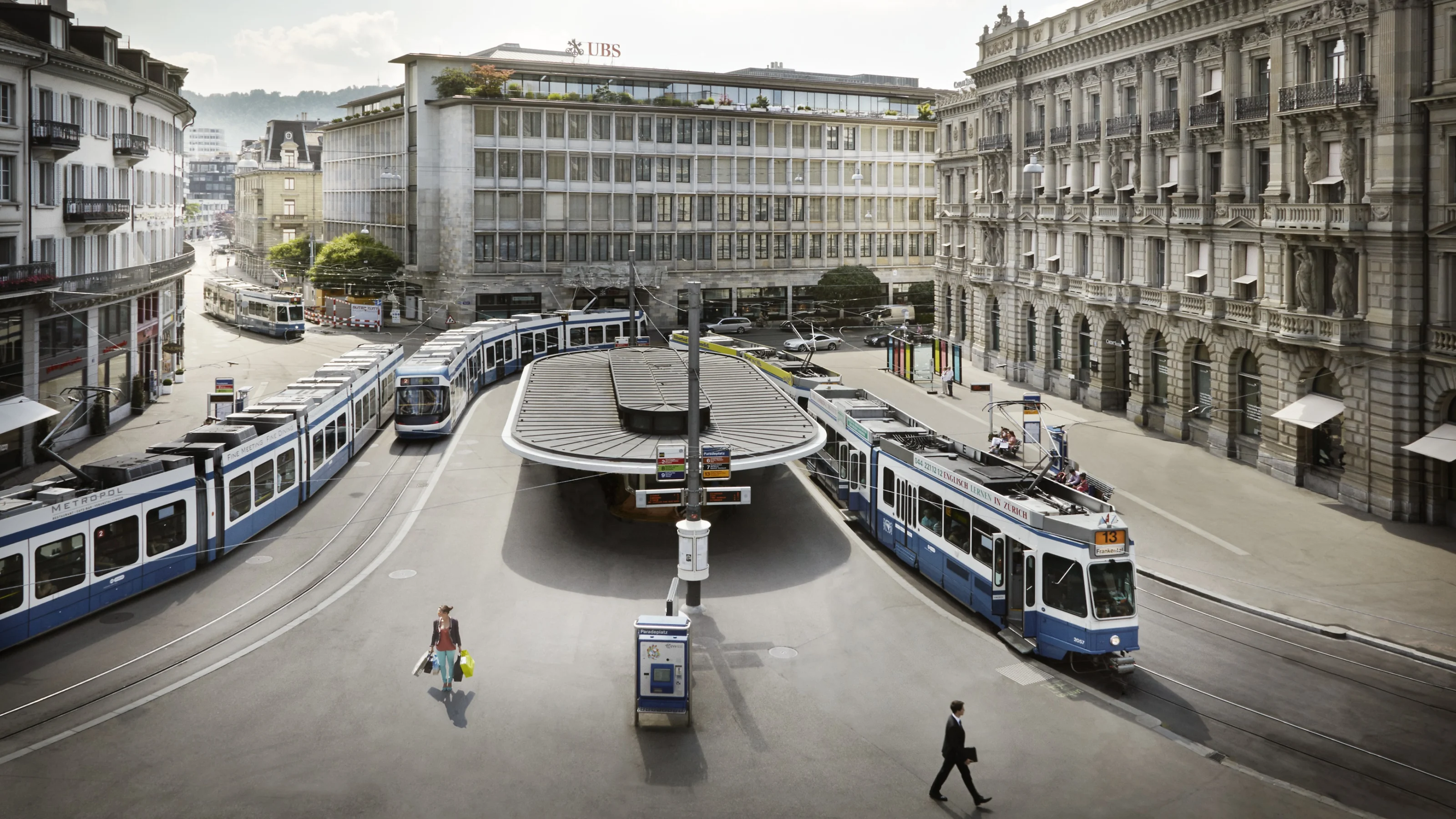
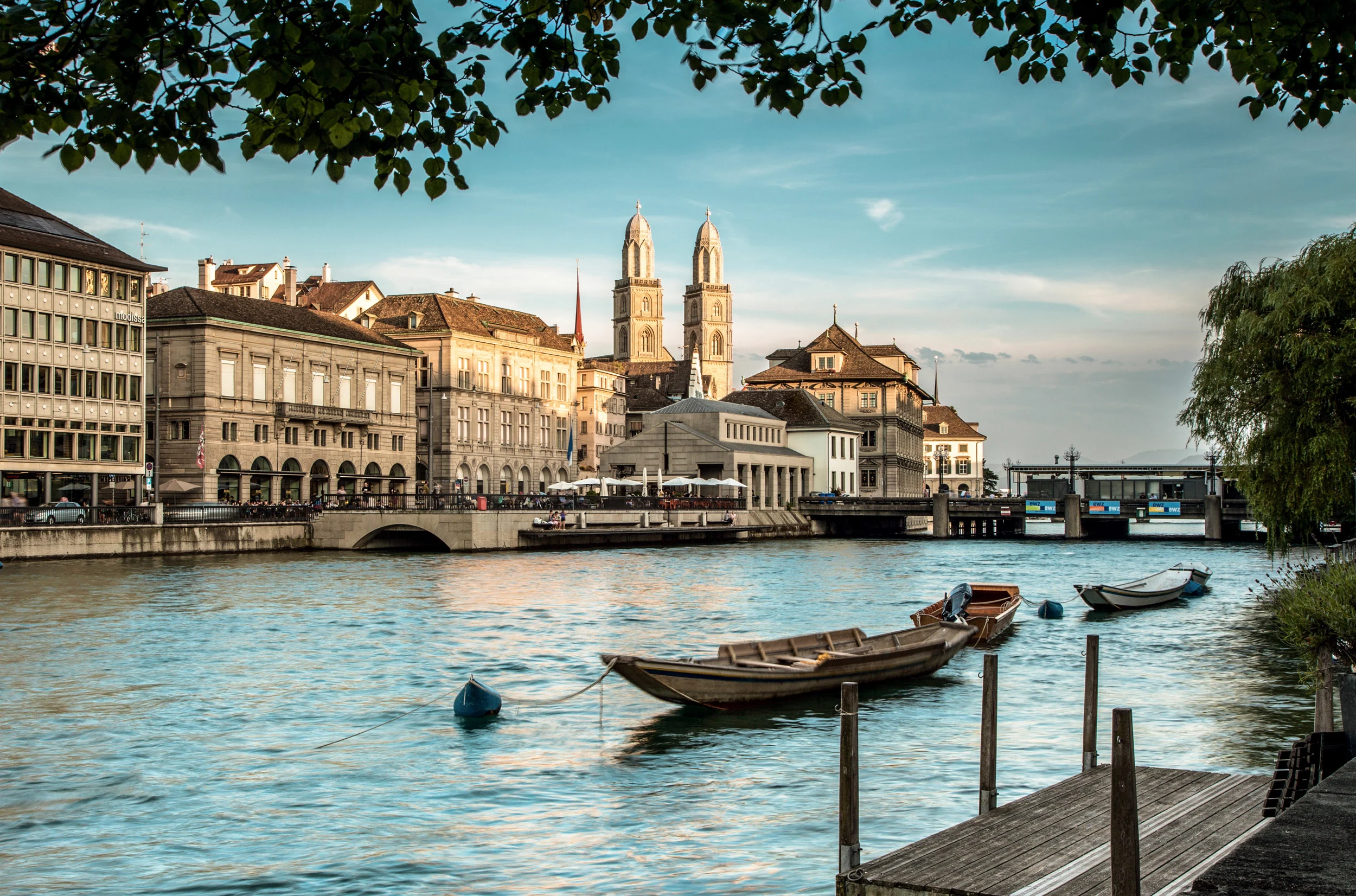
Begin your exploration of Zurich at its squares – Paradeplatz and Bürkliplatz. The former is especially enchanting during the festive season when Christmas markets provide an abundance of gifts and delicious treats. The latter is renowned among partygoers in Europe for hosting some of the most impressive concerts.
St. Peter Church stands out as one of the most notable attractions in the city. It is famous for its clock face on the tower, which is the largest in Europe. Those interested in religious sites should visit Fraumünster, now a Catholic church, and Grossmünster, a church associated with a male monastery.
A list of essential places to visit in Zurich also features Bahnhofstrasse (the most expensive shopping street in the world) and Langstrasse. The latter adds a vibrant touch to the image of a respectable city, serving as a counterpart to Amsterdam’s renowned De Wallen, which is known as the Red Light District.
Cuisine
Swiss gastronomy is a vibrant blend of culinary practices from its five neighbouring nations. Italy has introduced dishes like polenta and risotto, which are typical of Lombardy. Germany and Austria have added hearty soups, sausages, and simple yet delicious pastries.
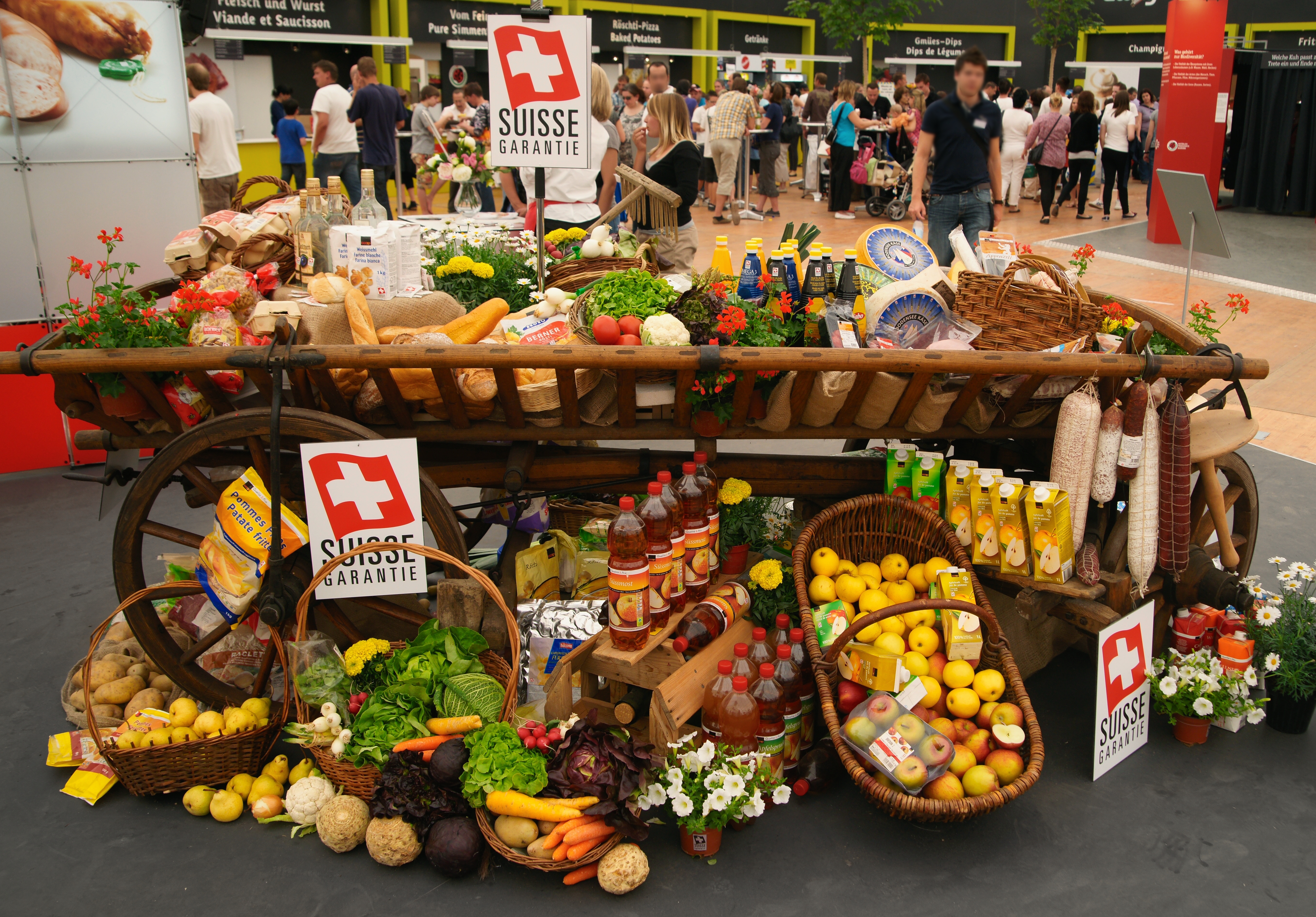
France has contributed its renowned soups and sophisticated meat and fish recipes. Nevertheless, the Swiss also boast their own globally celebrated dishes.
The standout dish is cheese fondue, which originated in the canton of Vaud. This dish involves melting various types of cheese, incorporating garlic, herbs, and kirsch, and then cooking this savoury mixture in special pots known as caquelons.
It is a simple dish to enjoy: one merely dips slices of bread, vegetables, or pieces of potato into the hot mixture and consumes it immediately. This dish is ideal for sharing among groups, and it is so cherished by the Swiss that it is served not only in its birthplace of Lausanne but in restaurants throughout the nation.
The residents of Grisons are experts in meat delicacies. Beef jerky, which pairs excellently with beer or other spirits, is particularly delightful.
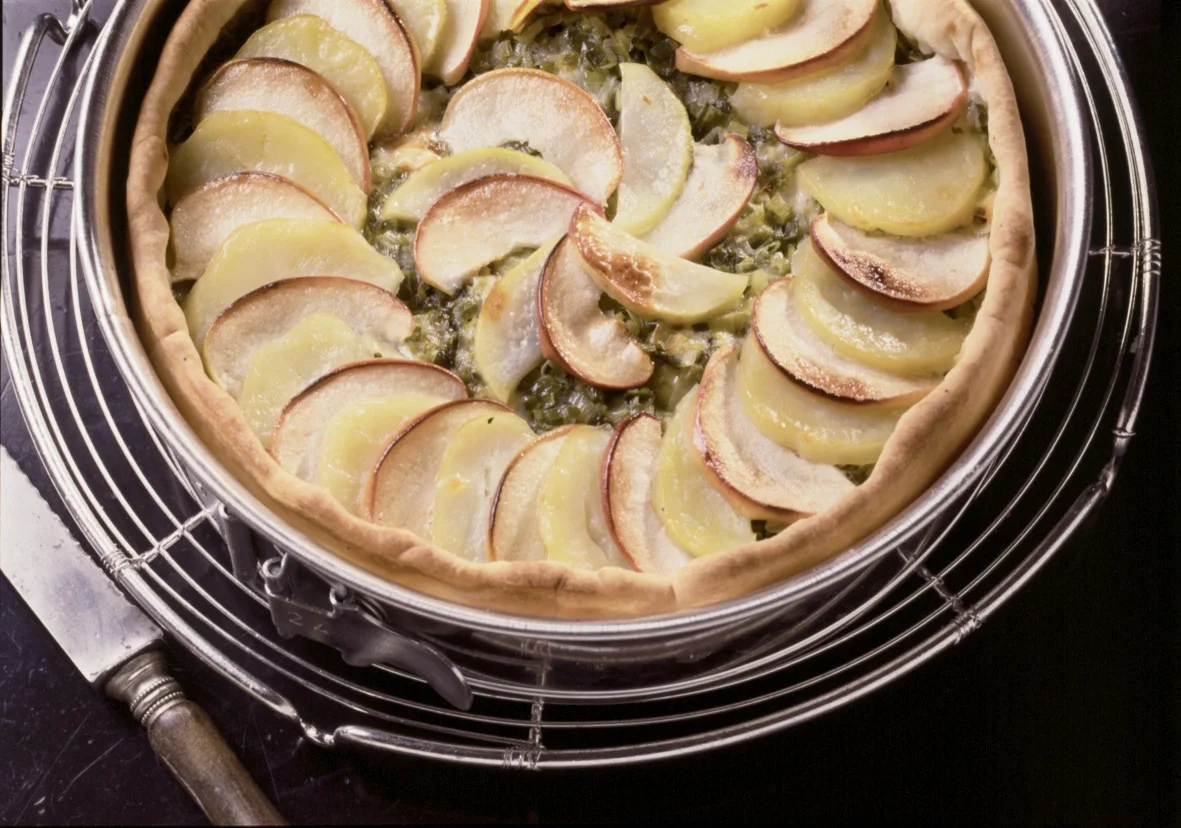
By Lake Geneva, there is a café where trying the local specialty, perch fillet, is a must. In the canton of Valais, one should sample cholera pie, a pastry with an amusing name created by local housewives. During the cholera epidemic, they were compelled to devise ways to provide their families with affordable yet substantial meals. Although the cholera outbreak has long since passed, the recipe endures. The pie is made with potatoes, apples, and cheese.
Rööschti is a Swiss dish based on grated potatoes, serving as the foundation for various recipes. Each region has its unique twist. For instance, in Basel, onions are added to the potato mixture, while other areas incorporate cheese, bacon, greens, and even apples. Regardless, it is a serving of a simple and hearty crispy fritter that the entire family will surely enjoy.
Switzerland’s drinking customs are closely linked to those of its neighbouring countries. The Swiss enjoy beer, much like the Germans. A bottle of lager is a staple purchase whenever they visit a supermarket. They also partake in wine, influenced by their Italian neighbours. The most favoured local varieties include Fendant and premium red and rosé wines.
The offerings in Swiss restaurants feature hard liquors such as kirsch and pear brandy.
Interestingly, there are no legal limitations on taking alcohol out of the country.
If desired, one can bring back more than ten bottles at once after a trip.
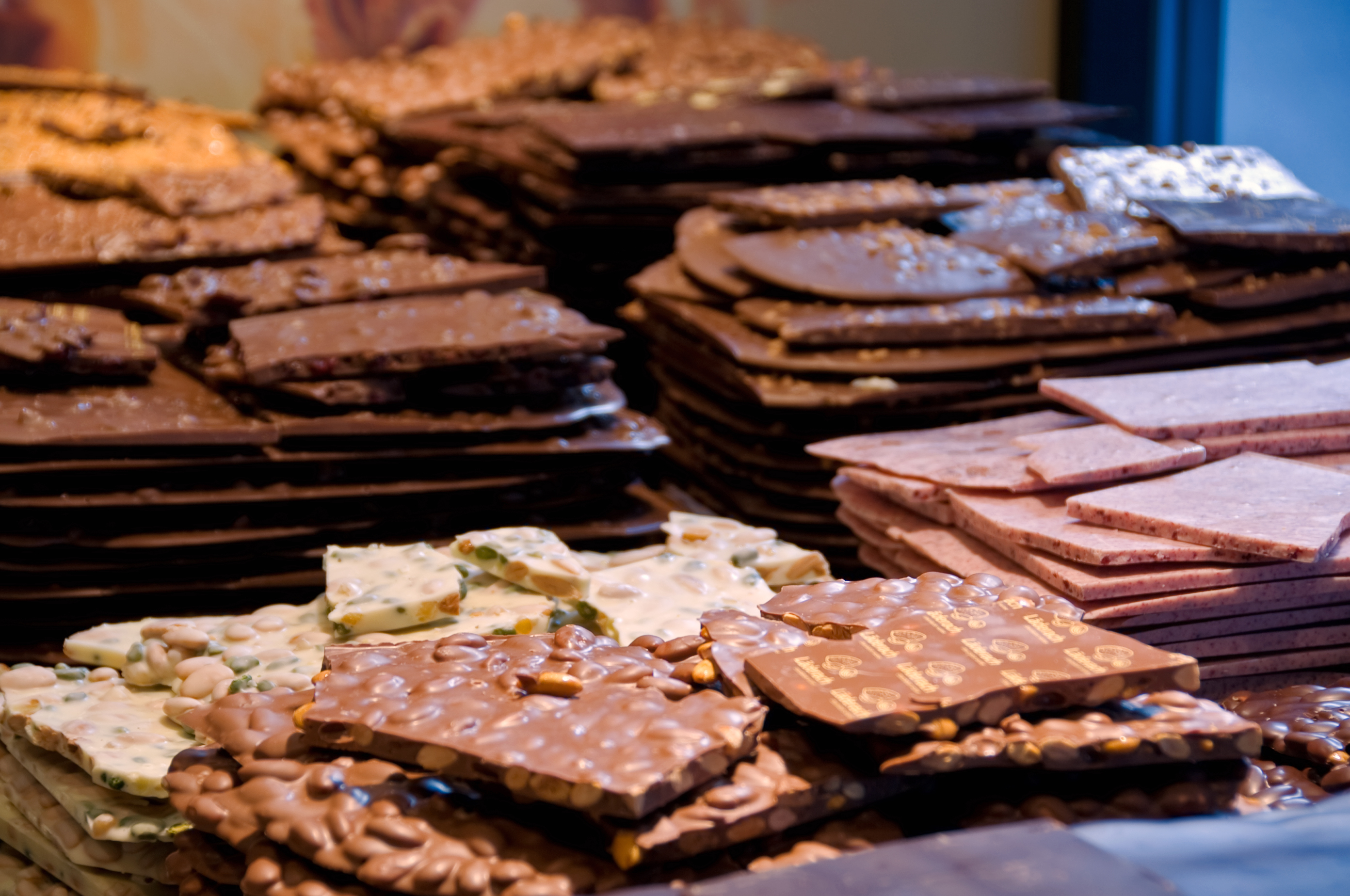
However, the primary beverage in Switzerland is not alcoholic. It is hot chocolate, a source of national pride for the Alpine nation. It can be challenging to manage more than a small cup of this rich, flavourful, and very sweet delight at once. But it is utterly delicious!
The Swiss hold chocolate in high regard, treating it with great reverence. They do not skimp on the recipes and techniques used to create a tender, melt-in-the-mouth confection. Approximately 5,000 individuals are involved in chocolate production, which represents 0.5% of the total population.
Even this relatively small group contributes 2 billion francs to the national economy.
Chocolate is consumed by everyone at every opportunity, and the variety of chocolate desserts is so extensive that it is impossible to quantify or fully grasp. In every city and town, there is a café or confectionery, the aromas of which permeate the surroundings. These establishments are always bustling with customers.
A bar or box of dark, milk, or white chocolate would make an excellent souvenir from the country, even for the most devoted minimalist.
Switzerland is simply stunning. It epitomises virtue, represents a dream, and demonstrates that the world will not fall apart as long as Swiss banks, watches, and chocolate exist.
FAQ
What is the primary language spoken in Switzerland?
Switzerland has four primary languages: German, French, Italian, and Romansh.
What is the size of Switzerland’s population?
Switzerland’s population is roughly 8.5 million individuals.
What is the capital city of Switzerland?
Switzerland does not have a designated capital; however, Bern, which is the capital of the central canton, effectively serves in that capacity.
What currency is used in Switzerland?
The currency utilised in Switzerland is the Swiss Franc (CHF).
What is the land area of Switzerland?
Switzerland spans an area of about 41,290 square kilometres.
What is Switzerland renowned for?
Switzerland is well-known for its watches, chocolates, cheese, commitment to neutrality, banking system, and the Alps, among other attractions.
Why is Switzerland not part of the EU?
Switzerland remains outside the EU as it prioritises its tradition of neutrality, independence, and direct democracy. Additionally, the Swiss populace has voted against EU membership in referendums.
Is Switzerland part of the Schengen area?
Yes, Switzerland is included in the Schengen Area, despite not being a member of the European Union. This indicates that Switzerland complies with the Schengen Agreement, facilitating passport-free travel among member nations.
What makes Switzerland so costly?
Switzerland’s high cost of living can be attributed to several factors, including elevated wages, a robust currency, a high quality of life, and the excellence of goods and services available.
Can euros be used in Switzerland?
Yes, euros can be used in numerous locations throughout Switzerland, particularly in tourist hotspots. However, the Swiss Franc remains the preferred and most commonly accepted currency.