The Iran war has significantly increased risks for foreign workers in the Gulf, with many facing life-threatening conditions while trying to support their families back home. “We don’t know what we will do next,” said Sadia Islam Sarmin, a migrant worker caught in the conflict.
Migrant workers make up a majority of the population in many Gulf Arab states. The Coalition for Labour Justice for Migrants reported that at least 24 foreign workers were killed in the Gulf due to the conflict. This violence follows the US and Israel’s military actions against Iran that began in February.
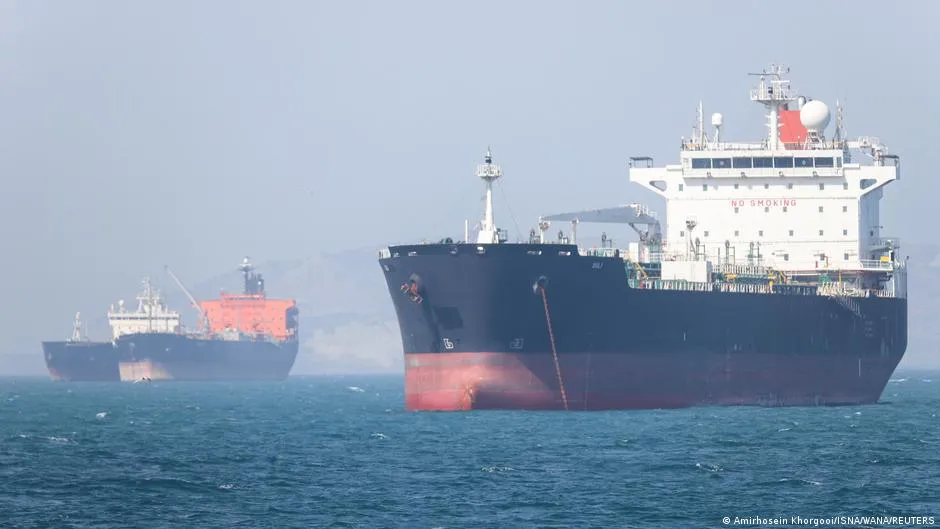
As tensions rise, Iran has effectively blocked the Strait of Hormuz, a critical waterway for global oil and gas shipments. The US launched a military operation to guide stranded ships through this strategic passage, deploying 15,000 military personnel and over 100 aircraft.
Remittances from the Gulf are vital for countries like India, Bangladesh, Pakistan, Sri Lanka, and Nepal. These funds represent significant portions of their GDP: 1% for India, 3-5% for Bangladesh, Pakistan, and Sri Lanka, and 10% for Nepal.
Amid these developments, Ahmed al-Aliyli expressed frustration: “We are the collateral damage of this war.” His sentiment reflects a broader anxiety among migrant workers about their safety and future.
A ceasefire was announced in early April. Yet negotiations to end the war have repeatedly stalled. Iran is currently reviewing a US proposal to end hostilities but accuses Washington of making excessive demands.
The situation remains precarious. Udaya Wagle noted, “It’s a very precarious situation for migrant workers.” With over 20,000 seafarers unable to transit the Strait during this conflict, many fear they might lose their livelihoods entirely.
The international community watches closely as tensions continue to escalate in the region. Any American interference in maritime operations will be viewed as a violation of the ceasefire according to Iranian officials.