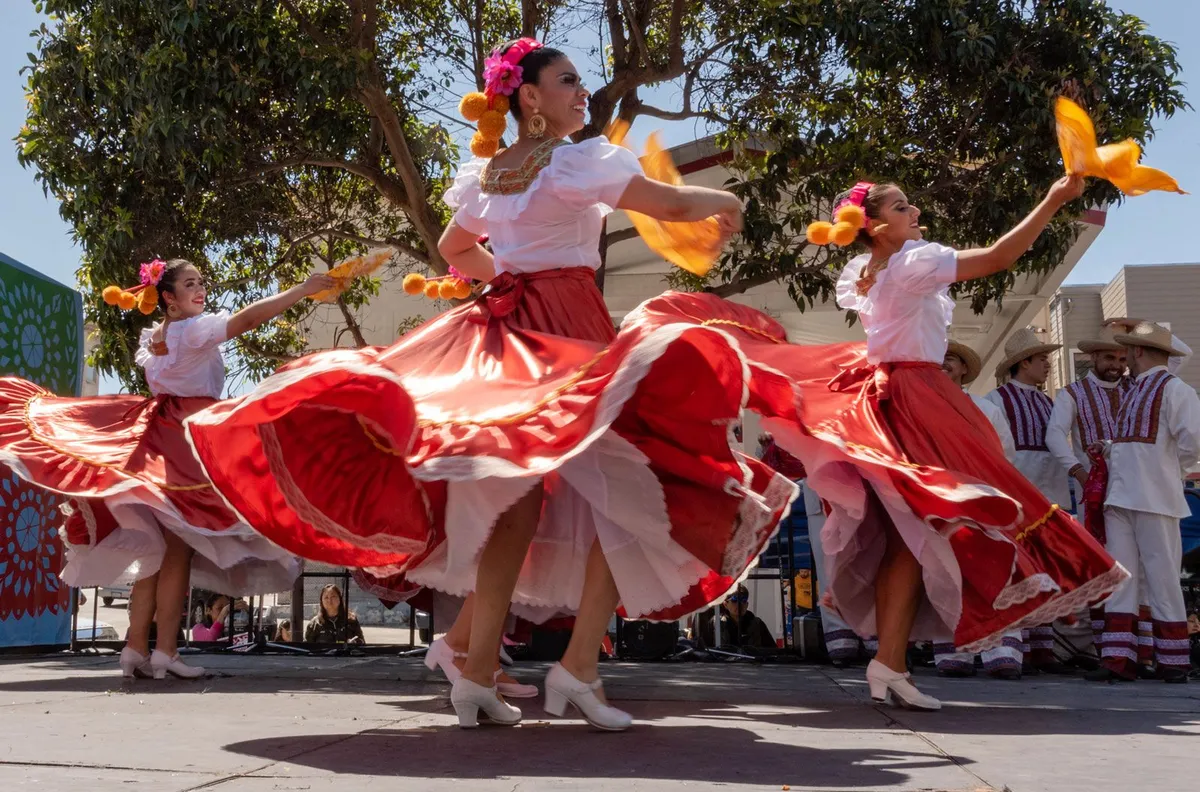
Cinco de Mayo is celebrated in the United States on May 5. This holiday commemorates Mexico’s victory over French forces at the Battle of Puebla in 1862. It has evolved from a minor Mexican holiday into a major celebration of Mexican-American culture.
The first American Cinco de Mayo celebration occurred in California in 1862. The holiday gained popularity in the U.S. during the 1970s and 1980s, largely due to marketing efforts by beer companies. Today, it symbolizes resilience and the ability to defend sovereignty against foreign powers.
Many festivities include traditional foods such as mole poblano, tacos, and drinks like margaritas and cervezas. David Hayes-Bautista noted, “For Mexicans in the U.S., the Civil War and the French invasion of Mexico were like one war with two fronts.” This connection highlights deeper cultural significance.
Key facts about Cinco de Mayo:
- The holiday is often confused with Mexico’s Independence Day, which is celebrated on September 16.
- Cinco de Mayo celebrations have continued without interruption since the 19th century.
- Sotol, a spirit made from the Dasylirion plant, is gaining recognition alongside tequila and mezcal.
Despite a decline in overall alcohol consumption in the U.S., many people seek more authentic and artisanal products. Observers note that celebrations reflect Chicano pride and a vibrant cultural identity. Still, some stereotypes overshadow the holiday’s true meaning.
The next Cinco de Mayo will take place on May 5, 2026, when communities across the country will again come together to celebrate their heritage.