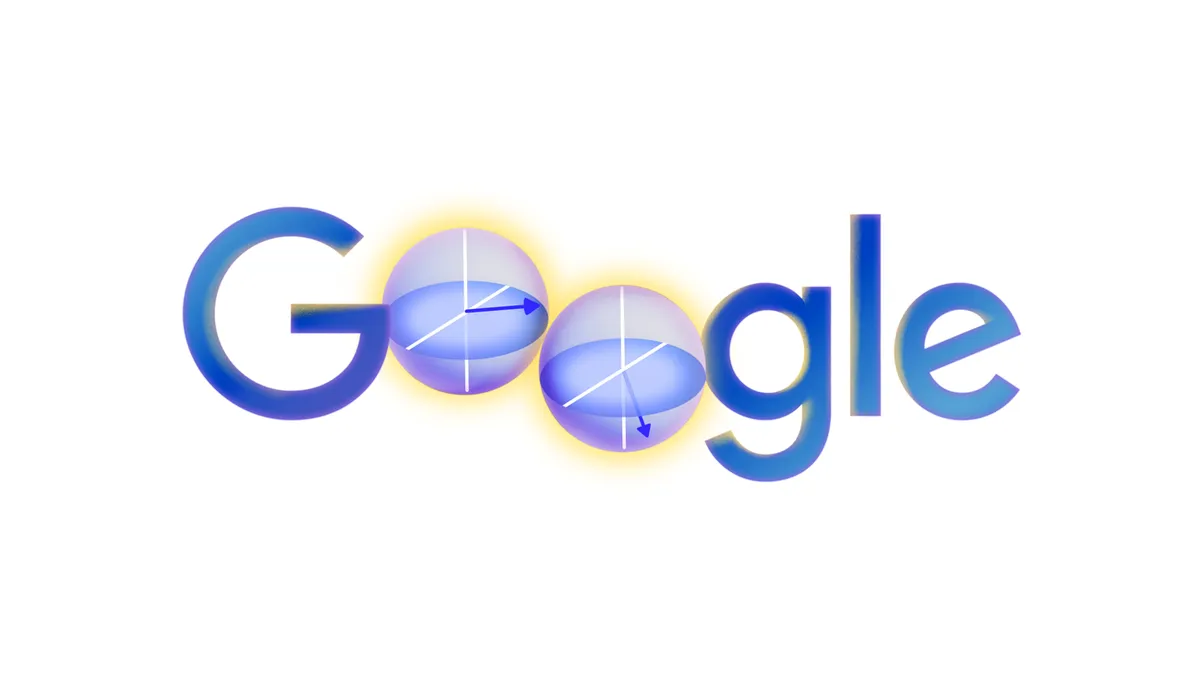
World Quantum Day is an annual event held on April 14, a date that reflects the first three digits of the Planck constant (4.14 × 10⁻¹⁵ eV·s). This day aims to raise public awareness of quantum science and technology, showcasing the advancements and potential applications of quantum research.
Launched in 2021 by an international network of scientists, World Quantum Day has quickly become a platform for educational outreach. The event features a variety of activities, including lectures, lab tours, workshops, and online programming, designed to engage the public and promote understanding of quantum phenomena.
As of 2026, quantum technology is transitioning from theoretical research to early-stage commercial applications. This shift is significant, as quantum computers are capable of solving complex problems that classical computers struggle with, particularly in optimization and simulation.
On this year’s World Quantum Day, experts emphasized the importance of recognizing the current state of quantum technology. Aditya Singh stated, “World Quantum Day is not a celebration of what quantum computing will be — it is a recognition of what it already is.” This highlights the tangible advancements already made in the field.
However, there is still much work to be done. Dan Holme remarked, “On World Quantum Day, now is the time to recognise that more still needs to be done to close the gap between laboratory breakthroughs and real-world quantum deployment.” This sentiment reflects the ongoing challenges faced by researchers and developers in bringing quantum technologies to market.
Investment in quantum technology is also on the rise, with the UK committing £2 billion to its Quantum Leap funding initiative and an additional £180 million towards its National Timing Centre programme. These investments are crucial for fostering innovation and supporting the development of quantum applications.
As organizations increasingly transition to post-quantum cryptography, with an estimated 38% making the shift in 2026, the urgency for advancements in quantum technology becomes even more apparent. Trevor Lanting noted, “The future won’t be defined by a single approach, but by multiple architectures working together,” emphasizing the collaborative nature of future developments.
Jan Goetz concluded with optimism, stating, “The technology is real. The applications are real. The timeline to quantum advantage is compressing.” This perspective underscores the rapid progress being made in the field and the potential for significant breakthroughs in the near future.
World Quantum Day serves not only as a celebration of current achievements but also as a call to action for continued research and development in quantum science and technology. As the event grows, it plays a vital role in shaping public understanding and engagement with this transformative field.