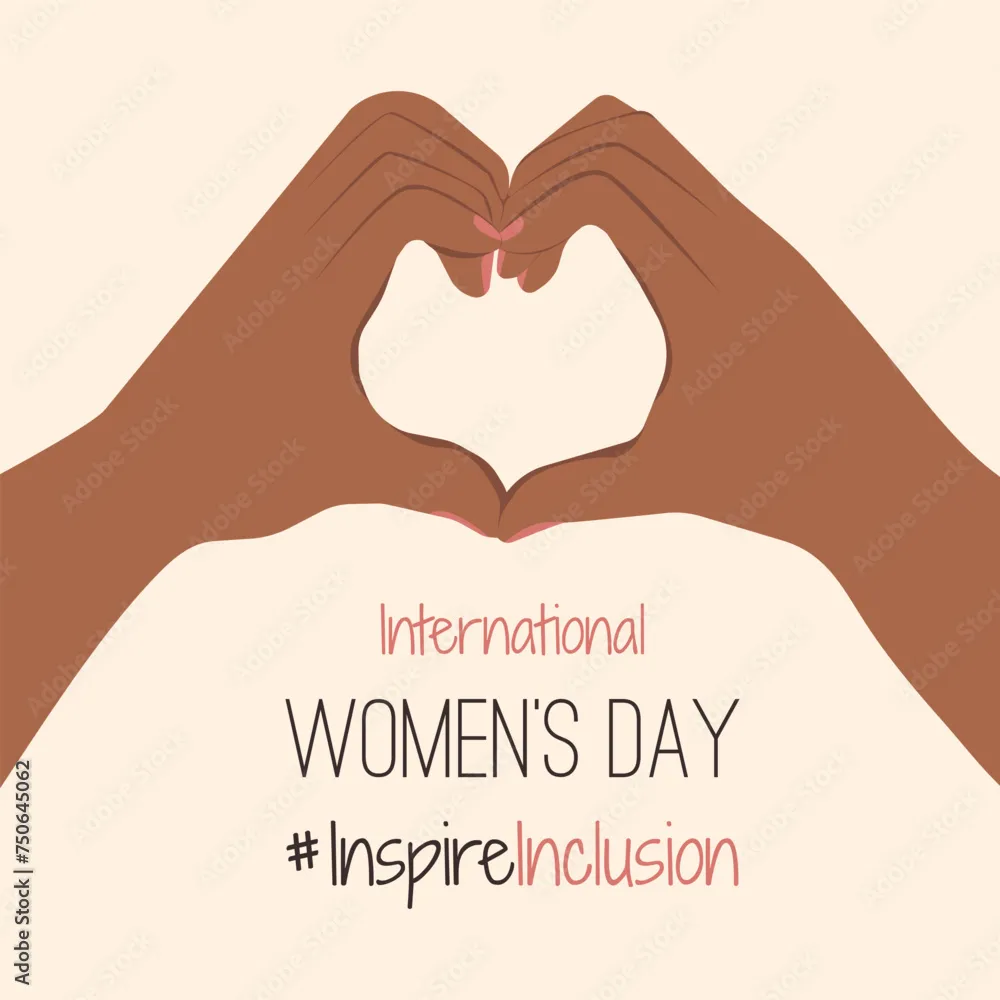
International Women’s Day 2026: A Call for Rights and Justice
“Women are key stakeholders in every sphere of development, and their contributions cannot be overemphasised,” stated Hon. Dr. Sarah Enoch Adi, the Taraba State Commissioner of Finance. This powerful assertion underscores the pivotal role women play in advancing societal progress, particularly as the world prepares to observe International Women’s Day on March 8, 2026.
International Women’s Day is celebrated annually to honor women’s achievements and advocate for gender equality. The theme for 2026, “Rights. Justice. Action. For ALL Women and Girls,” reflects a growing recognition of the need for systemic change to ensure that women’s rights are upheld globally. Despite significant strides towards equality, women still hold only about 64 percent of the legal rights that men enjoy worldwide, according to the United Nations.
The historical roots of International Women’s Day can be traced back to the early 20th century, emerging from labor and women’s rights movements in North America and Europe. The first official celebration took place in 1911, and the date of March 8 became firmly established after women in Russia staged protests in 1917. Since then, the day has evolved into a global rallying point for advocating women’s rights.
In sub-Saharan Africa, the urgency of addressing women’s health issues is particularly pressing, as women account for more than 60 percent of new HIV infections in the region. This statistic highlights the critical intersection of gender and health, emphasizing the need for targeted interventions to protect women’s health and rights.
As part of the observance, the AIDS Healthcare Foundation (AHF) Nigeria will commemorate International Women’s Day on March 9 across several states, aiming to raise awareness and promote health initiatives for women. Echey Ijezie, a representative from AHF Nigeria, remarked, “We will continue to prioritise issues that affect women as we call on everyone, leaders, policymakers and communities, to turn their commitments into action to accelerate development for women and young girls.” This call to action is essential for fostering an environment where women can thrive.
Moreover, the Commonwealth has been active in promoting gender-responsive climate action, as evidenced by the support for the Belém Gender Action Plan at COP30. This initiative recognizes that women and girls are disproportionately affected by climate change, particularly in Small Island Developing States, and aims to integrate gender considerations into climate policies.
As the world gears up for International Women’s Day 2026, the emphasis on turning commitments into actionable progress is more crucial than ever. “Let us turn commitments into action, action into measurable progress, and progress into lasting, intergenerational change – across all 56 of our nations,” stated a Commonwealth representative, reinforcing the collective responsibility to uplift women and girls everywhere.
With the observance of International Women’s Day approaching, the focus remains on ensuring that women’s rights are not just acknowledged but actively pursued. The ongoing dialogue and initiatives surrounding this day serve as a reminder of the work that still lies ahead in the quest for true gender equality.