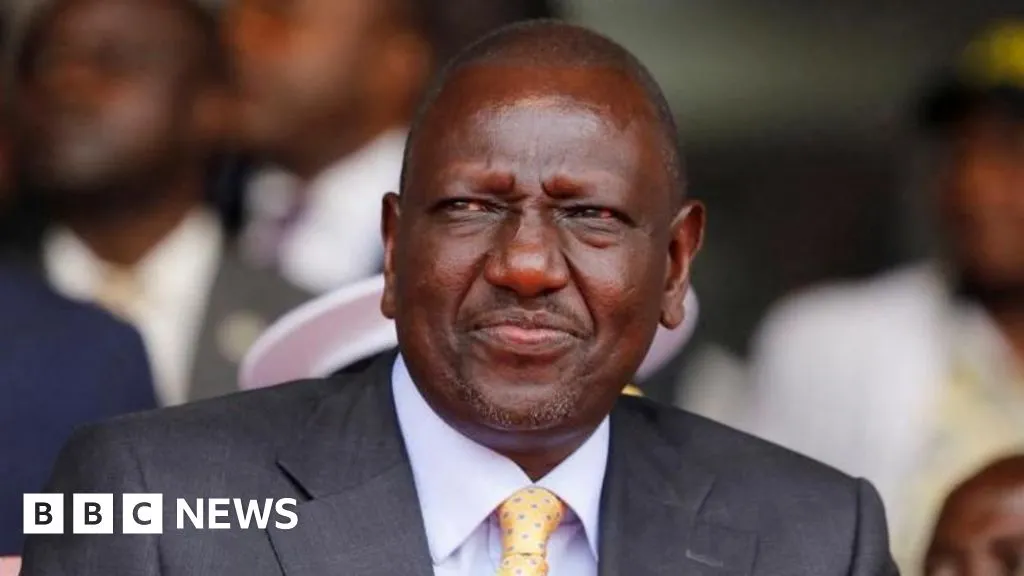
William Ruto’s lighthearted comments about Nigerian English have sparked a significant backlash. The Kenyan President made these remarks during an event in Italy. He claimed that Kenyans speak some of the best English in the world. Ruto stated, “If you listen to a Nigerian speaking, you don’t know what they are saying. You need a translator even when they are speaking English.” His words quickly ignited debate on social media.
Critics accused Ruto of reinforcing colonial-era notions regarding language and intelligence. Hopewell Chin’ono responded by stating, “English is a colonial language, not a measure of intelligence, capability, or national progress.” This highlights the complex history surrounding the use of English in both nations.
Both Nigeria and Kenya are former British colonies that use English as an official language. Nigeria has over 500 indigenous languages that influence its English accent. Kenya’s English accent is shaped by its Bantu, Nilotic, and Cushitic languages. These cultural influences contribute to the distinct ways English is spoken in both countries.
Ruto’s comments were directed at Kenyans living abroad. He previously joked about Kenyans’ ties to Nigerian men, referencing a ‘brain drain’. Yet, his recent statements have drawn sharp criticism from various quarters.
Shehu Sani criticized Ruto’s remarks by invoking Nigeria’s literary achievements. He noted that Nigeria boasts prominent authors like Chinua Achebe and Chimamanda Ngozi Adichie. This underscores the rich literary tradition that exists alongside the country’s unique version of English.
Ruto defended his views by emphasizing Kenya’s education system. He stated, “We have some of the best human capital anywhere in the world. We just need to sharpen it with more training.” His comments reveal an underlying belief in the superiority of Kenyan educational standards.
The current debate raises questions about language proficiency and cultural identity in both nations. It also highlights how colonial legacies continue to shape perceptions of intelligence and education.
As discussions unfold online, observers note that this incident reflects deeper issues regarding language standards and human capital development in Kenya and Nigeria.
No clear resolution has emerged from this controversy yet. Social media continues to buzz with opinions from both sides of the argument.
Ultimately, William Ruto’s remarks serve as a catalyst for broader conversations about language, education, and identity within post-colonial contexts.