The United Arab Emirates is leaving OPEC on May 1, 2026, to pump more oil on its own terms. This decision marks a significant shift in the oil cartel’s dynamics and may lead to further fragmentation among its members.
The UAE currently produces about 3.2 to 3.6 million barrels per day under OPEC quotas but has spare capacity of nearly 4.8 million barrels per day. The exit removes one of the few OPEC members with meaningful spare capacity. Saudi Arabia will have to rely more heavily on its own production cuts to stabilize prices after the UAE’s departure.
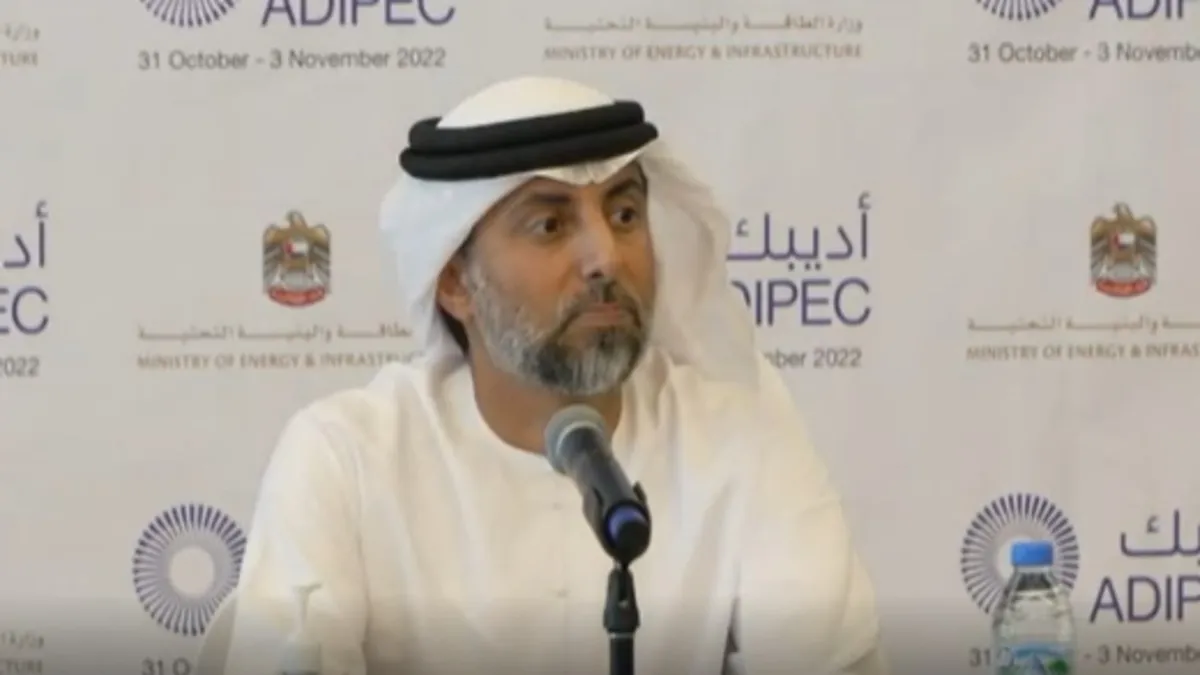
The UAE has been a member of OPEC since 1967 through Abu Dhabi. Suhail Al Mazrouei, UAE’s Minister of Energy, stated, “The world needs more energy. The world needs more resources, and [the] UAE wanted to be unconstrained by any groups.” This reflects growing frustrations with OPEC’s quota system.
Countries like Qatar, Ecuador, and Angola have left OPEC in recent years due to similar frustrations. The UAE aims to increase its oil production from 3.4 million barrels per day to a target of 5 million barrels per day by 2027.
The UAE’s exit affects about 12% of OPEC’s total oil output. Jorge Leon noted that losing a member with significant capacity takes a real tool out of OPEC’s hands. Andy Lipow warned that if compliant countries grow frustrated with those that do not follow quotas, additional exits could occur.
As the energy market adjusts, analysts expect modestly lower and more volatile oil prices in the long term. David Oxley remarked that the ties binding OPEC members together have loosened significantly.