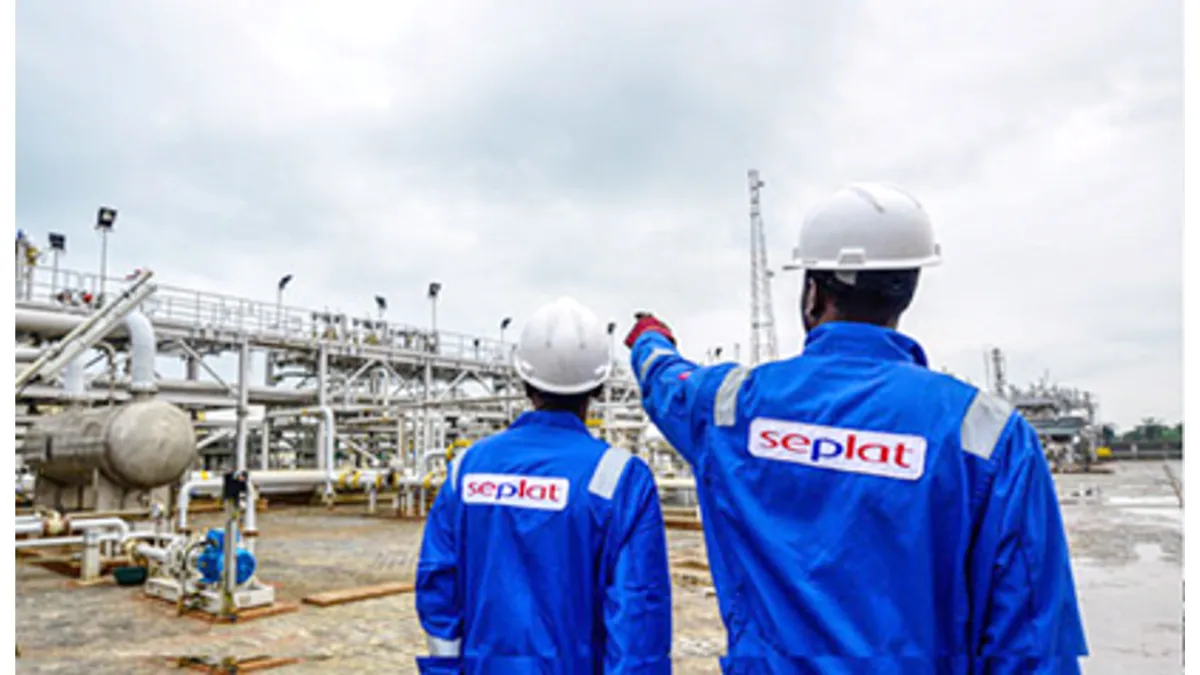
Seplat Energy workers began an indefinite strike on April 4, 2026, due to a breakdown in negotiations over a collective bargaining agreement and staff welfare issues. The strike raised concerns about potential disruptions to oil and gas output in Nigeria, where Seplat Energy plays a significant role.
Only workers under the Petroleum and Natural Gas Senior Staff Association of Nigeria (PENGASSAN) participated in the strike, while other less skilled workers covered by a second union did not join the action. Seplat Energy reported an average production of 131,506 barrels of oil equivalent per day in 2025, accounting for approximately 7%–9% of Nigeria’s total liquid output.
Seplat is targeting production of up to 155,000 barrels of oil equivalent per day in 2026, making the resolution of labor disputes crucial for maintaining output levels. The strike was called off just hours after it began, following Seplat’s acceptance of the collective bargaining agreement terms.
PENGASSAN directed its members to immediately suspend the industrial action after negotiations resumed with the Nigerian National Petroleum Company Limited (NNPC). Festus Osifo, a representative of PENGASSAN, stated, “The strike has been called off,” and emphasized that stakeholders intervened, leading Seplat management to agree to the requested terms.
This strike marks the second instance of industrial action involving PENGASSAN workers in eight months. The previous strike occurred against Dangote refinery, where over 800 workers were dismissed. Seplat’s revenue increased by 150.4% to N4 trillion in 2025, driven by expanded output and its first full year of offshore operations.
As negotiations continue on outstanding items, the situation remains fluid, and further developments are expected. Details remain unconfirmed.