Who is involved
Before the announcement of Eid al-Fitr 2026, expectations were set around the traditional observances of Ramadan, a month of fasting observed by Muslims worldwide. Ramadan 2026 began on the evening of February 17, with millions of Muslims in Nigeria and beyond engaging in fasting from dawn to sunset. This period is marked by spiritual reflection, increased devotion, and communal prayers.
However, a decisive moment arrived when the Nigerian government declared March 19 and 20, 2026, as public holidays for Eid al-Fitr, the festival that signifies the end of Ramadan. This announcement came as the Nigerian Supreme Council for Islamic Affairs (NSCIA) prepared to confirm the sighting of the Shawwal crescent moon, which determines the exact date of Eid al-Fitr. The sighting is a crucial event, as it officially marks the conclusion of the fasting month.
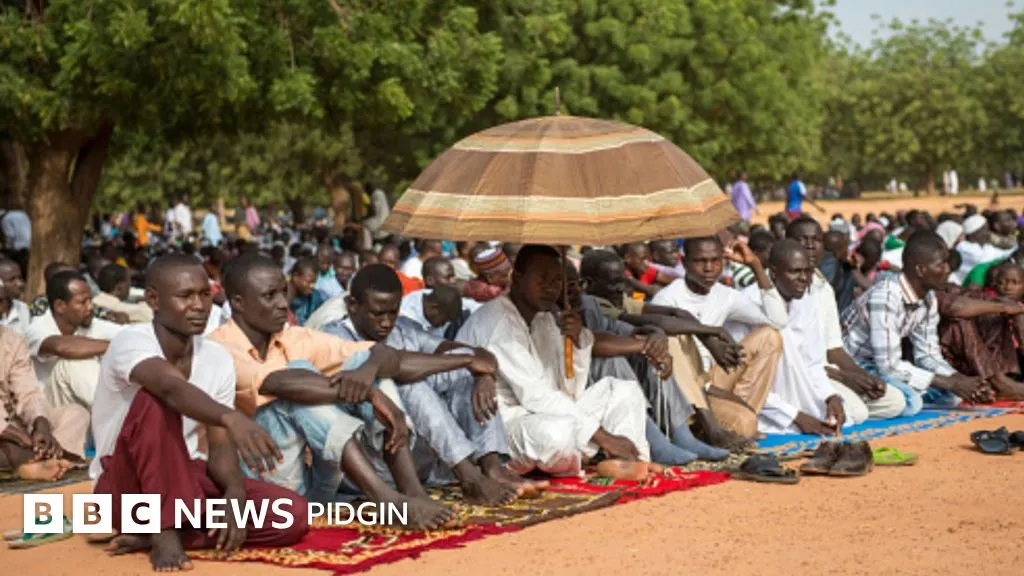
The direct effects of this declaration are significant for the Muslim community in Nigeria. With two public holidays now established, families and communities can prepare for the celebrations without the constraints of work obligations. Eid al-Fitr, often referred to as the “festival of breaking the fast,” is a time for special prayers, communal gatherings, and festive meals. It is a moment of joy and gratitude, where Muslims express their appreciation for the strength and patience shown during Ramadan.
Experts emphasize the importance of Eid al-Fitr in fostering community bonds and cultural identity among Muslims. The Sultan of Sokoto, a key religious leader in Nigeria, will proclaim the end of Ramadan following verified moon sightings, reinforcing the communal aspect of the celebration. The NSCIA has invited all Muslims in Nigeria to participate in the moon sighting, highlighting the collective nature of this observance.
As Eid al-Fitr approaches, the anticipation among the Muslim community grows. The holiday is celebrated with special prayers, sweets, presents for children, and community gatherings. These traditions vary across different regions, showcasing the rich cultural tapestry of Nigeria. Eid al-Fitr is not just a religious observance; it is a time for families to come together, share meals, and strengthen their ties.
In Nigeria, the celebration of Eid al-Fitr is marked by unique customs and practices that reflect local traditions. While the core elements of prayer and feasting remain constant, the ways in which families and communities celebrate can differ significantly. This diversity enriches the overall experience of the holiday.
As the date approaches, preparations are underway, with families planning meals and activities to mark the occasion. The excitement is palpable, as many look forward to reuniting with loved ones and participating in the communal aspects of the festival. Eid al-Fitr 2026 promises to be a significant event, bringing together Muslims across Nigeria in a shared celebration of faith and community.
Details remain unconfirmed regarding specific local events and activities planned for Eid al-Fitr, but the spirit of the holiday is expected to resonate throughout the nation, as families and communities come together to celebrate the end of Ramadan.