Before the recent developments, the historical significance of the Pearl Harbor attack remained a solemn reminder of the U.S.’s entry into World War II. The attack, which occurred on December 7, 1941, resulted in the deaths of 2,390 Americans and led to the U.S. declaring war on Japan the following day. Franklin Delano Roosevelt famously referred to it as ‘a date which will live in infamy.’
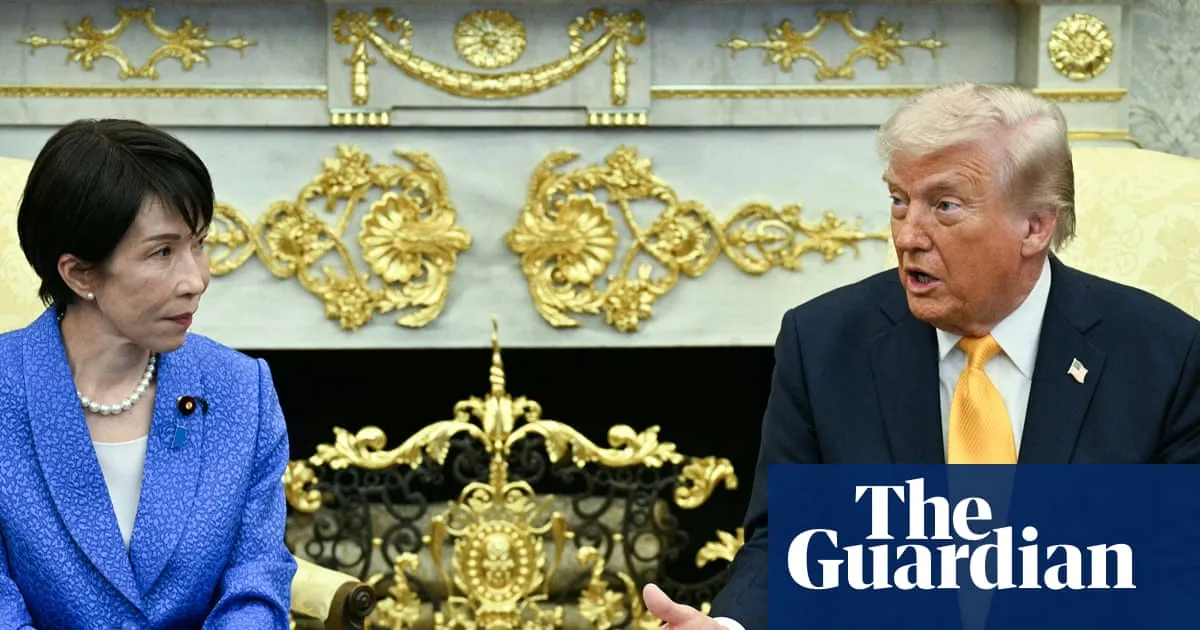
However, during a meeting on March 19, 2026, in the Oval Office, Donald Trump made headlines by mocking Japan regarding the 1941 attack while speaking with Japanese Prime Minister Sanae Takaichi. This unexpected comment shifted the narrative surrounding the historical event, as Trump referenced the attack in the context of discussing the element of surprise, saying, “Who knows better about surprise than Japan?”
This remark came in the wake of questions about why Trump did not inform U.S. allies before launching an attack on Iran. His juxtaposition of a historical tragedy with contemporary military decisions raised concerns among historians and political analysts alike.
The immediate effect of Trump’s comments was a wave of criticism from various quarters, including historians who felt that trivializing Pearl Harbor undermined its historical significance. The attack is not only a pivotal moment in U.S. history but also a sensitive topic for many, particularly in Japan.
Experts have pointed out that such remarks can have broader implications for U.S.-Japan relations, which have been characterized by a strong alliance since World War II. The relationship has evolved significantly, with both nations cooperating on various fronts, including trade and security.
Trump’s comments have prompted discussions about the importance of historical context in political discourse. Many argue that leaders should approach sensitive historical events with the respect they deserve, especially when discussing military actions.
As the political landscape continues to evolve, the implications of Trump’s remarks may resonate beyond immediate reactions, potentially affecting diplomatic relations. The juxtaposition of past and present in his comments highlights the ongoing complexities in international relations.
Details remain unconfirmed regarding the full impact of these remarks on U.S.-Japan relations, but the incident serves as a reminder of the delicate balance required when addressing historical events in contemporary politics.