The wider picture
The National Community Food Bank Programme is designed to establish community-based food banks in every Local Government Area, linked to Basic Health Care Provision Fund-supported Primary Health Care centres. This initiative aims to tackle the pressing issue of food insecurity in Nigeria, which has been exacerbated by rising costs of living and economic challenges faced by many households.
On April 2, 2026, the programme received a significant boost with pledges totaling over N66 billion at its launch in Abuja. Key contributors included the Aliko Dangote Foundation, which committed N20 billion in-kind support over five years, and the Nigerian National Petroleum Company Limited, which pledged N10 billion over the same period. Additionally, the Federal Government approved a special intervention of N17 billion through the Social Action Fund.
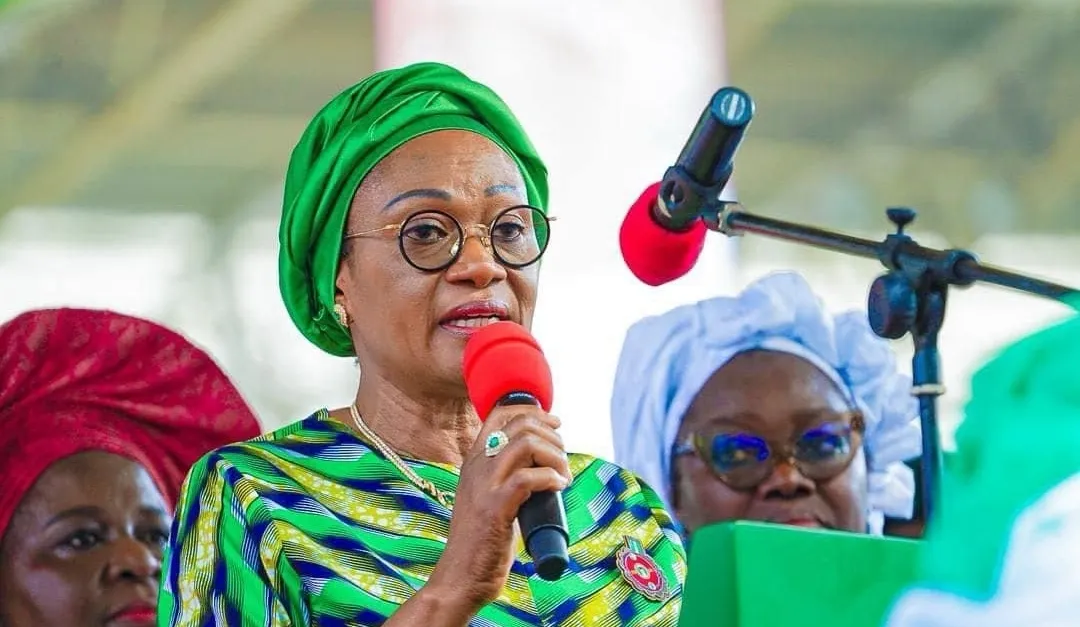
Oluremi Tinubu, the First Lady of Nigeria, has been a prominent advocate for this initiative, emphasizing the need for a robust food bank system to support vulnerable communities. “Our goal is to build a strong and effective food bank system in Nigeria that is supported through a well-structured trust fund, governed transparently, and capable of reaching communities and households across the country,” she stated during the launch.
Other notable contributions included the Emeka Offor Foundation, which pledged N500 million upfront, and anonymous friends of the First Lady who contributed $500,000 (approximately N750 million). If all 36 state governors contribute N500 million each, an additional N18 billion would be added to the fund, further enhancing the programme’s capacity to assist those in need.
Prof. Ali Pate, a key figure in the initiative, highlighted the government’s commitment, stating, “His Excellency, Mr President, has already approved the special intervention of N17 billion through the Social Action Fund that will procure using the community-based procurement platform in each of the wards of our country, using a simplified procurement mechanism to buy locally.” This approach aims to ensure that the funds are utilized effectively and transparently at the grassroots level.
Chidioke James, another supporter of the initiative, remarked, “Today is not just about launching a fund. It is about launching hope. No society can truly prosper while hunger persists. We are very proud to stand with the mother of the nation, the First Lady.” This sentiment reflects the broader community support for the programme, which is expected to target 500,000 households across Nigeria in its first year.
Hamisu Mohammed, representing local government interests, noted, “This initiative comes at a critical time for food insecurity and rising cost of living. Local government fully appreciates grassroots-driven solutions.” The collaborative effort between various stakeholders, including government bodies and private organizations, underscores the urgency of addressing food insecurity in Nigeria.
As the programme unfolds, observers anticipate that it will not only provide immediate relief to those affected by hunger but also establish a sustainable framework for food distribution in the long term. The success of this initiative will depend on continued collaboration and commitment from all parties involved, ensuring that the funds pledged translate into tangible support for communities across Nigeria.