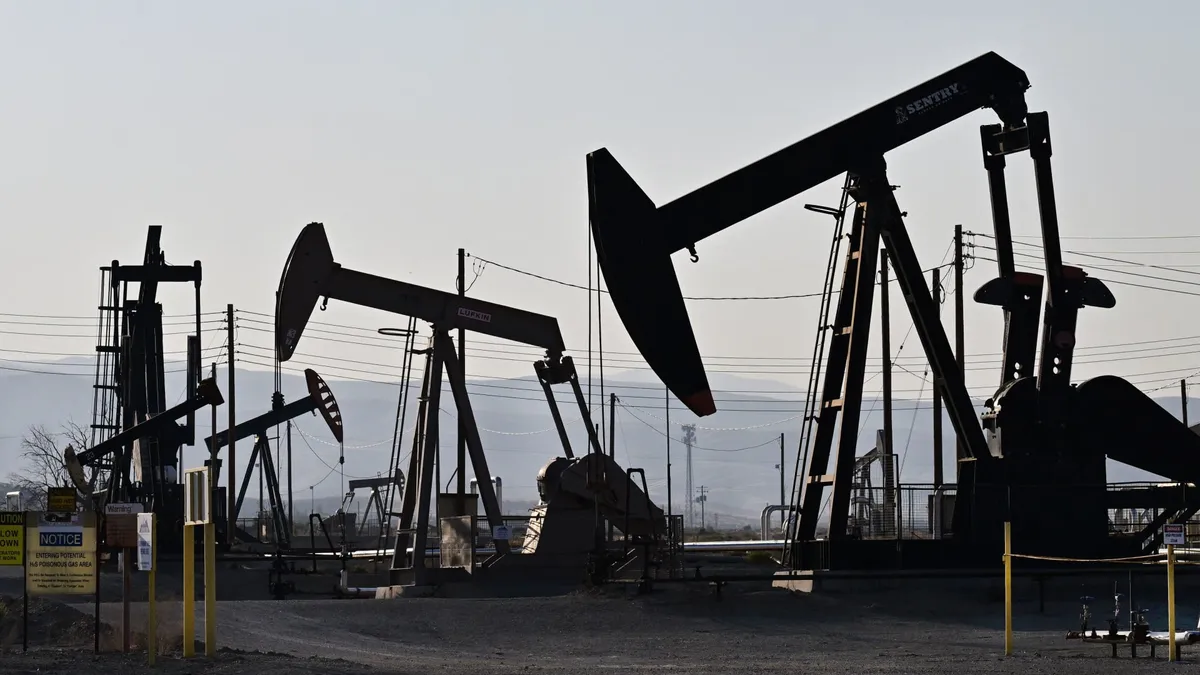
Impact of Recent Events on Oil Prices
The price of oil today has seen significant fluctuations, with Brent crude briefly surging to $119.50 per barrel and West Texas Intermediate reaching $119.48 at one point. However, these prices fell to under $90 late Monday, reflecting the volatile nature of the market amid ongoing geopolitical tensions in the Middle East.
Causes Behind the Surge
The recent spike in oil prices can be traced back to the U.S. and Israel launching military actions against Iran on February 28. Prior to this conflict, oil prices were approximately $70 a barrel, indicating a dramatic increase due to the heightened risk associated with Middle Eastern oil supply routes.
U.S. Oil Trade Dynamics
The United States plays a crucial role in the global oil market, exporting over 6 million barrels of refined products and more than 4 million barrels of crude oil daily. This has resulted in a net oil trade balance of 2.8 million barrels per day, positioning the U.S. as a significant player in the global oil supply chain.
Impact on Consumers
The surge in oil prices has had immediate repercussions for U.S. consumers, with gas prices rising to an average of $3.48 per gallon and diesel prices reaching approximately $4.66 a gallon. These increases are likely to strain household budgets and contribute to broader inflationary pressures.
Expert Insights
Future Projections
Market analysts are closely monitoring the situation, particularly regarding the Strait of Hormuz, a critical chokepoint for oil transportation. If the strait remains closed for only a few weeks, oil and gas strategists at Macquarie Research predict that crude prices could push to $150 per barrel or higher. Such a scenario would further exacerbate the economic challenges faced by consumers and businesses alike.
Uncertainties Ahead
Despite the current trends, the long-term impact of the oil price surge on inflation remains unclear. Additionally, the duration of the conflict and its effects on oil prices are uncertain. Details remain unconfirmed, leaving markets and consumers in a state of anticipation regarding future developments.