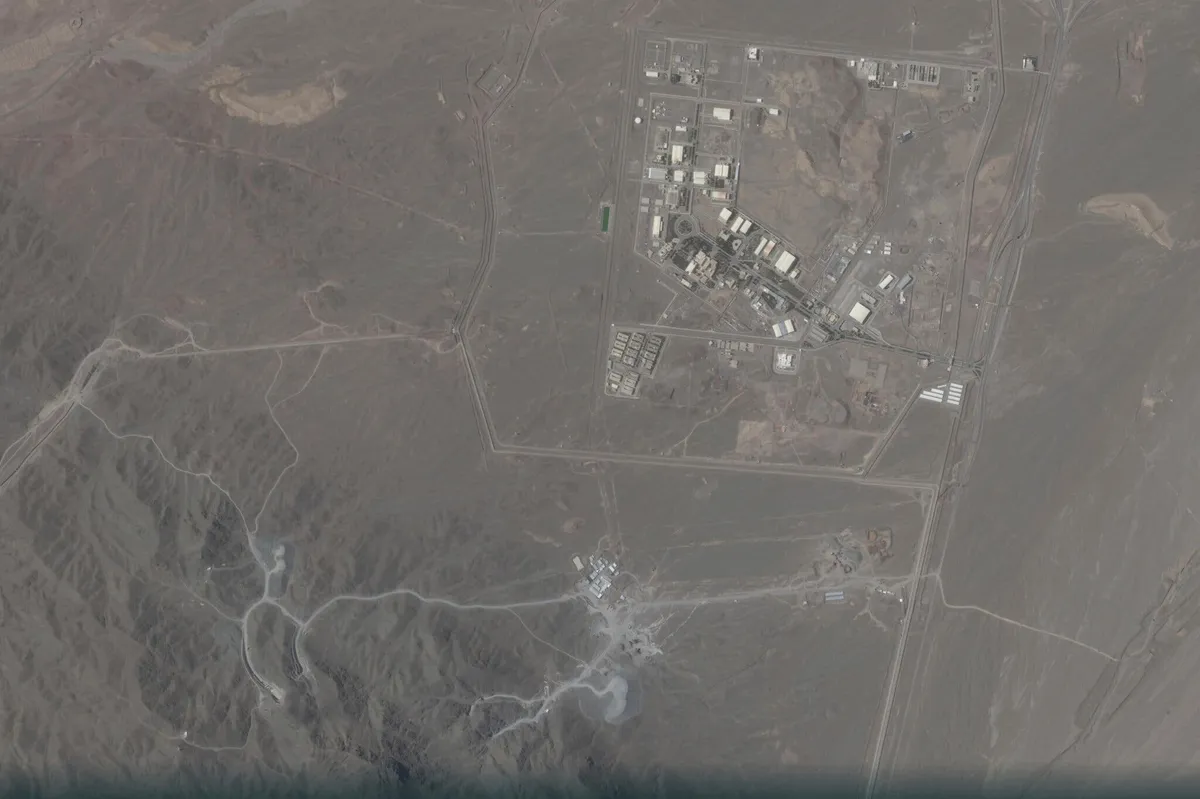
“We need to see an affirmative commitment that they will not seek a nuclear weapon, and they will not seek the tools that would enable them to quickly achieve a nuclear weapon,” stated US Vice President JD Vance following the conclusion of recent negotiations between the United States and Iran in Islamabad, Pakistan. The talks, which lasted for 21 hours, ended without an agreement, leaving both sides to reassess their positions on the contentious issue of Iran’s nuclear ambitions.
The negotiations marked a significant moment, as it was the first time in over a decade that the US and Iran engaged in direct discussions regarding the nuclear program. The backdrop of these talks included longstanding tensions that have escalated since the Islamic Revolution in Iran in 1979. The last notable contact occurred in 2013 when then-President Barack Obama spoke with Iran’s President Hassan Rouhani about the nuclear issue.
During the negotiations, key sticking points emerged, particularly concerning Iran’s enriched uranium stockpiles and the reopening of the strategically vital Strait of Hormuz, through which approximately 20 percent of global energy supplies pass. Iran’s Parliamentary Speaker, Mohammad Bagher Ghalibaf, remarked that the US failed to gain the trust of the Iranian delegation, further complicating the discussions.
In a statement reflecting on the outcome, Vance expressed disappointment, saying, “The bad news is that we have not reached an agreement, and I think that’s bad news for Iran much more than it’s bad news for the United States of America.” This sentiment underscores the US’s perspective that a failure to reach an agreement could have more severe repercussions for Iran, particularly in light of the economic pressures the country faces.
Iran, on its part, accused the US of making unreasonable demands during the negotiations. The Iranian Foreign Ministry spokesman indicated that despite the lack of an agreement, diplomacy would continue, suggesting that both sides may still be open to future discussions. However, the exact future of the negotiations remains unclear as both sides signaled that diplomacy is not over. Details remain unconfirmed.
As the US delegation departed Pakistan without an agreement, the Iranian delegation was set to leave later, leaving the door open for potential future talks. The complexities of the situation are further heightened by the fact that the US has frozen approximately $27 billion in Iranian funds, which remains a contentious issue in negotiations.
The geopolitical implications of the nuclear program extend beyond the immediate parties involved. The situation in the region is delicate, with ongoing conflicts and the potential for further escalation if diplomatic efforts fail. The Strait of Hormuz remains a critical area of concern, as any disruption could have significant impacts on global energy supplies.
As the international community watches closely, the next steps in the diplomatic process will be crucial in determining the future of Iran’s nuclear program and the broader stability of the region. The ongoing dialogue reflects the complexities of international relations and the challenges of reaching consensus in a highly charged environment.