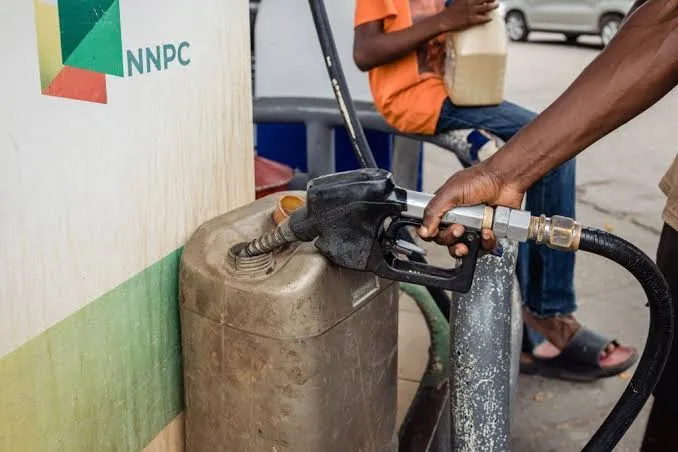
Petrol prices in Nigeria have surged to between N1,200 and N1,300 per litre, reflecting the impact of escalating global crude oil prices driven by geopolitical tensions in the Middle East. Projections suggest that if the crisis continues, prices could exceed N1,500 per litre and potentially approach N2,000 per litre.
The increase in prices is largely attributed to the ongoing conflict between the United States and Iran, which has caused crude oil prices to rise from around $68 per barrel to $103. The Dangote Petroleum Refinery has also raised its gantry prices from less than N800 per litre to N1,175.
The Nigeria Labour Congress (NLC) has reported that petrol prices have climbed to between N1,170 and N1,300 per litre, calling for a cost-of-living allowance and wage award for workers to alleviate the economic burden. Diesel prices have also surged by more than 50 percent, nearing N1,700 to N1,800 per litre.
In light of these developments, the NLC emphasized that the expected oil windfall should be utilized to cushion the negative effects of the crisis on Nigerians. The Independent Petroleum Marketers Association of Nigeria has urged the government to cut taxes and charges on petroleum products to help stabilize prices.
Chinedu Ukadike, a representative of the marketers, stated, “The government should cut down some of these taxes, especially the NIMASA taxes and the rest of them.” Meanwhile, Leye Kupoluyi suggested exploring local refining options, asking, “Can we do a naira exchange so that a portion of this crude goes to refineries that are refining locally?”
Dr. Muda Yusuf, CEO of the Centre for the Promotion of Private Enterprise, warned that rising fuel costs are squeezing business margins and threatening enterprise sustainability. He noted, “The best the government can do is to take advantage of this additional revenue to deploy fiscal incentives to those who are producing the refined petroleum products.”
As the situation evolves, the Nigeria Economic Summit Group has projected that Nigeria could earn up to N30tn in additional revenue from rising oil prices linked to the Middle East crisis. However, details remain unconfirmed regarding how these revenues will be allocated to support the population amidst rising fuel costs.