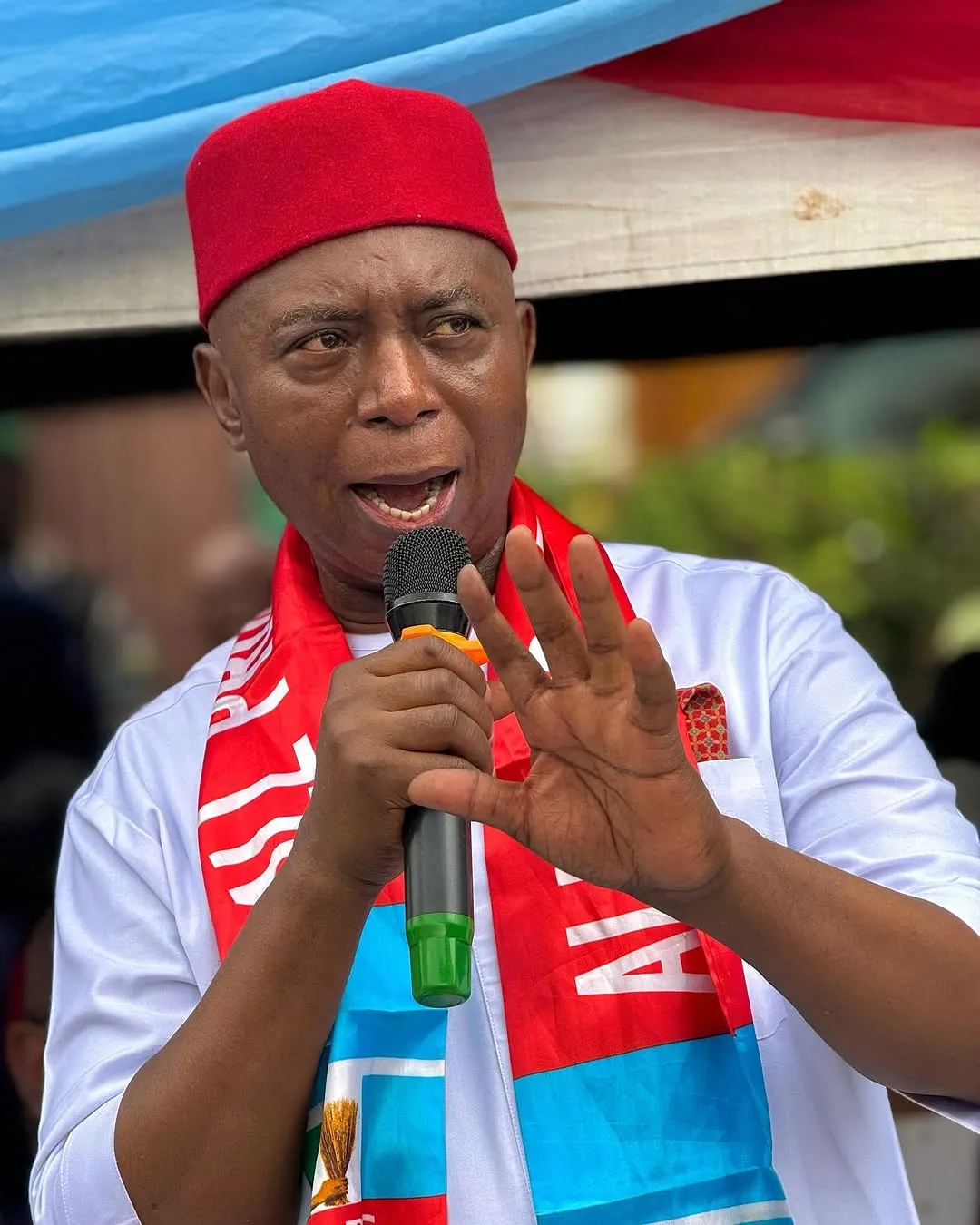
Ned Nwoko, a senator representing Delta North senatorial district in Nigeria, is currently at the forefront of a significant financial development involving the proposed payment of $396 million to his firm, Linas International Limited. This payment is linked to the recovery of funds that were allegedly over-deducted by the federal government between 1995 and 2002. The proposal for this payment has emerged under the administration of President Bola Tinubu, raising questions about the implications of such a financial decision.
In the immediate context, Nwoko’s firm claims to be owed approximately $68 million for work completed in 2018, which was part of a broader effort to secure refunds from the Paris Club for Nigerian states and local governments. Notably, a part payment of $241 million was made to Linas International Limited in 2018, but the current proposal has reignited discussions about the legitimacy and necessity of further payments. The Nigeria Governors Forum, which previously opposed payments to Nwoko, has recently reversed its position, indicating a shift in the political landscape surrounding this issue.
The backdrop of this development is rooted in a 2018 directive issued by former President Muhammadu Buhari, which declared that previous payments made to consultants were final. This directive has been a point of contention, as the renewed claim of $396 million has been described by some, including the George Uboh Whistleblowers Network, as “blatant and unadulterated fraud.” This highlights the contentious nature of the claims and the ongoing debates about the management of public funds in Nigeria.
Furthermore, the Attorney-General of the Federation, Lateef Fagbemi, has requested presidential approval for the payment to Linas International Limited, suggesting that the government is moving forward with the proposal despite the controversies surrounding it. Kemi Adeosun, a key figure in the discussions, has noted that further litigation threats have been received from consultants engaged by state governments, indicating that the legal landscape is becoming increasingly complex.
In addition to the legal challenges, a civil society group has filed a lawsuit aimed at halting the payment to Nwoko’s firm, alleging fraud and double claims. This lawsuit underscores the skepticism surrounding the financial dealings related to the Paris Club refunds and the potential implications for governance in Nigeria. As the situation unfolds, the reactions from various stakeholders will be crucial in determining the outcome of these claims.
Historically, Ned Nwoko served as the lead consultant for the Nigerian states and local governments in securing the Paris Club loan refund, which totaled roughly $13 billion. This historical context adds depth to the current discussions, as it reflects the ongoing challenges Nigeria faces in managing its financial obligations and the role of consultants in this process.
As the proposed payment continues to attract attention, the implications for governance and public trust in Nigeria remain significant. The Nigeria Governors Forum’s change in stance, coupled with the legal challenges posed by civil society, highlights the complexities involved in financial recoveries and the need for transparency in such dealings. The situation remains fluid, and further developments are expected as stakeholders navigate the intricacies of this financial landscape.
Details remain unconfirmed regarding the final decision on the proposed payment, but the discussions surrounding Ned Nwoko and Linas International Limited are likely to continue to evolve in the coming weeks.