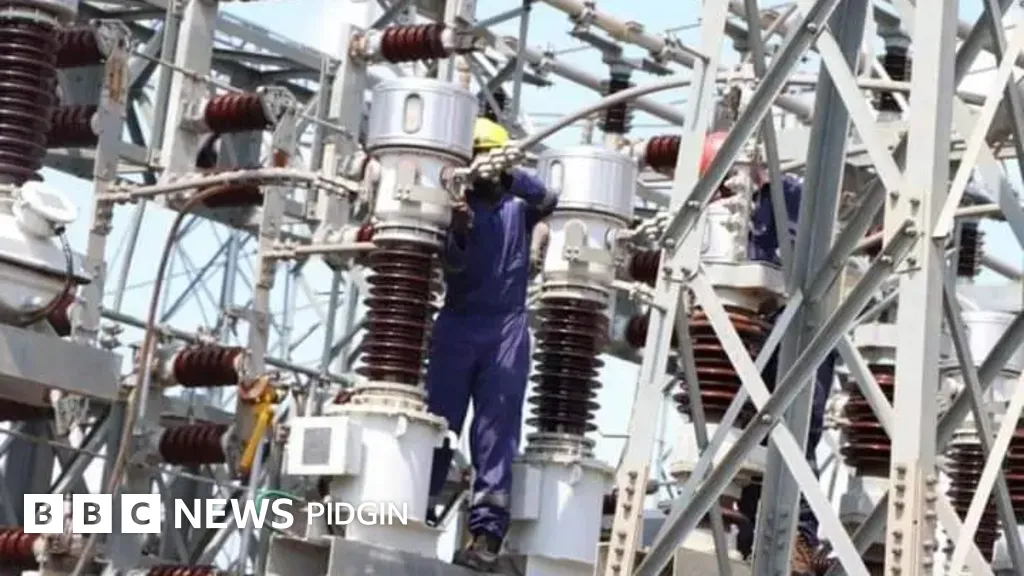
What does the national grid collapse in Nigeria signify?
The recent national grid collapse in Nigeria raises critical questions about the stability and reliability of the country’s electricity supply. With Nigeria’s electricity generation consistently falling short of its installed capacity of 13,625 megawatts (MW), the implications for economic growth and daily life are profound. In October 2025, only 5,506 MW was wheeled through the grid at any given time, highlighting a significant shortfall in power availability.
Understanding the current state of electricity supply
As of early 2026, the national grid was operating with an average of 4,901 MW available for dispatch, which translates to a plant availability factor of just 36 percent. This alarming statistic indicates that over 60 percent of the installed generation capacity was unavailable for dispatch during the third quarter of 2025. The ongoing issues are compounded by the fact that gas-fired stations, which are crucial for electricity generation, require approximately 1.63 billion standard cubic feet of gas per day, yet they were receiving only about 692 million cubic feet in early 2026.
Recent incidents and their implications
The national grid has suffered 26 system collapses in the last five years, with 2024 alone accounting for nine of these incidents. This trend raises concerns about the reliability of the electricity supply and the potential impact on economic activities across the nation. The power sector is also burdened with over ₦6 trillion in accumulated debts, further complicating efforts to stabilize the grid and improve service delivery.
Government response and reforms
In light of these challenges, the Nigerian government has initiated reforms aimed at optimizing electricity generation and transmission. President Bola Ahmed Tinubu recently constituted an 11-member committee to facilitate the establishment of the Grid Asset Management Company Limited (GAMCO). This initiative is part of broader reforms intended to strengthen the electricity value chain and ensure a more reliable power supply for citizens.
Stakeholder involvement and future outlook
Key stakeholders, including the Nigerian Electricity Regulatory Commission and the Transmission Company of Nigeria, are involved in these efforts. Adebayo Adelabu, a prominent figure in the sector, has expressed optimism about the future, stating, “I have now paid my dues… It’s Adelabu’s turn. Anything that belongs to Adelabu belongs to us all.” This sentiment reflects a broader hope among stakeholders that the reforms will lead to a more stable and efficient electricity supply.
Challenges ahead
Despite the government’s efforts, significant challenges remain. The electricity sector’s financial instability, coupled with the persistent issues of gas supply and infrastructure inadequacies, poses a formidable barrier to achieving reliable electricity for all Nigerians. Details remain unconfirmed regarding the timeline for the implementation of GAMCO and the potential impact of the reforms on the overall electricity landscape.
The national grid collapse in Nigeria serves as a stark reminder of the urgent need for comprehensive reforms in the electricity sector. As the government and stakeholders work towards stabilizing the grid, the focus will remain on addressing the underlying issues that have plagued the sector for years. The path forward will require sustained commitment and collaboration among all parties involved to ensure a reliable and efficient electricity supply for the nation.