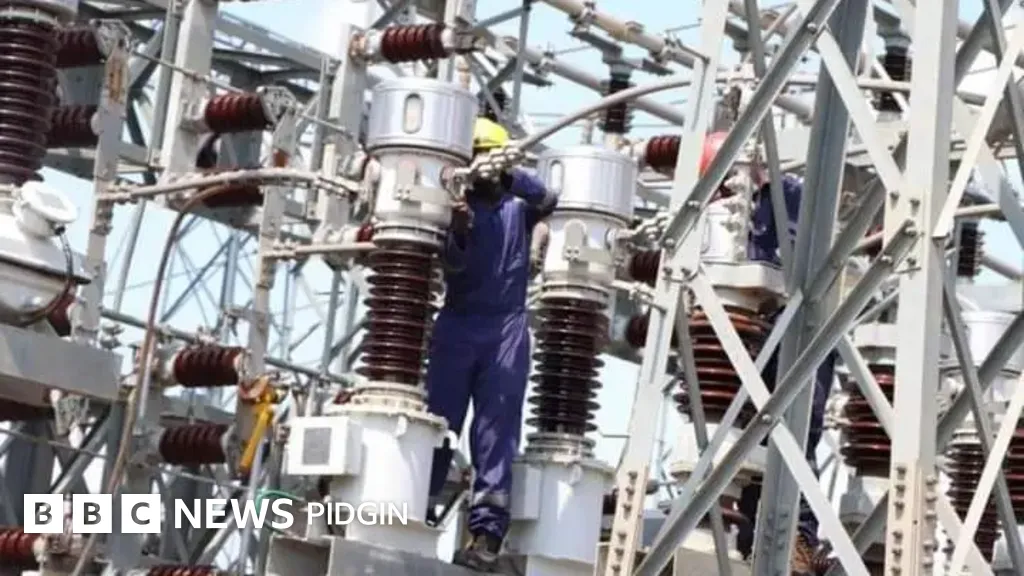
What is the current state of Nigeria’s national grid?
The national grid collapse in Nigeria raises a critical question: how can a country with an installed capacity of 13,625 megawatts (MW) consistently fail to deliver adequate electricity? The answer lies in a combination of systemic failures, mismanagement, and infrastructural challenges that have plagued the power sector for years.
Electricity Generation Challenges
Despite having a substantial installed capacity, Nigeria’s actual electricity generation has remained significantly below this figure. In October 2025, only 5,506 MW was wheeled through the grid, which is less than half of the installed capacity. By early 2026, the situation worsened, with an average of just 4,901 MW available for dispatch, resulting in a plant availability factor of only 36 percent.
Frequent System Collapses
The national grid has suffered 26 system collapses in the last five years, with 2024 alone accounting for nine of these incidents. This alarming trend highlights the fragility of the electricity supply system and raises concerns about the reliability of power delivery to homes and businesses across the country.
Underlying Financial Issues
Compounding these operational challenges is the financial burden on the power sector, which is currently grappling with over ₦6 trillion in accumulated debts. These debts are largely driven by unpaid government subsidies, which have created a vicious cycle of underinvestment and operational inefficiencies.
Gas Supply Shortages
Gas-fired power stations, which are critical for electricity generation, require around 1.63 billion standard cubic feet of gas per day. However, in early 2026, they were receiving only about 692 million cubic feet, further exacerbating the power supply crisis. This shortfall in gas supply has significant implications for the overall stability of the national grid.
Government Initiatives and Reforms
In response to the ongoing crisis, the federal government has introduced targeted tariff increases for higher-consumption customers, generating an additional ₦700 billion in revenue in 2025. Furthermore, President Bola Ahmed Tinubu has constituted an 11-member committee to oversee the establishment of the Grid Asset Management Company Limited (GAMCO), aimed at optimizing electricity generation and transmission. This initiative is part of broader reforms intended to strengthen the electricity value chain, although the effectiveness of these measures remains to be seen.
Leadership Accountability
The erratic power supply in Nigeria has raised questions about the leadership of the Minister of Power, Adebayo Adelabu, since his appointment in August 2023. Adelabu’s recent statements suggest a commitment to addressing these challenges, but the public remains skeptical about the government’s ability to implement meaningful changes.
What Lies Ahead?
As Nigeria grapples with the ongoing national grid collapse, the future of its electricity supply remains uncertain. With significant operational, financial, and infrastructural challenges still in play, stakeholders are left to wonder whether the government’s reforms will lead to a more stable and reliable power supply. Details remain unconfirmed regarding the timeline and effectiveness of these initiatives, leaving many Nigerians anxious about the future of their electricity supply.