The numbers
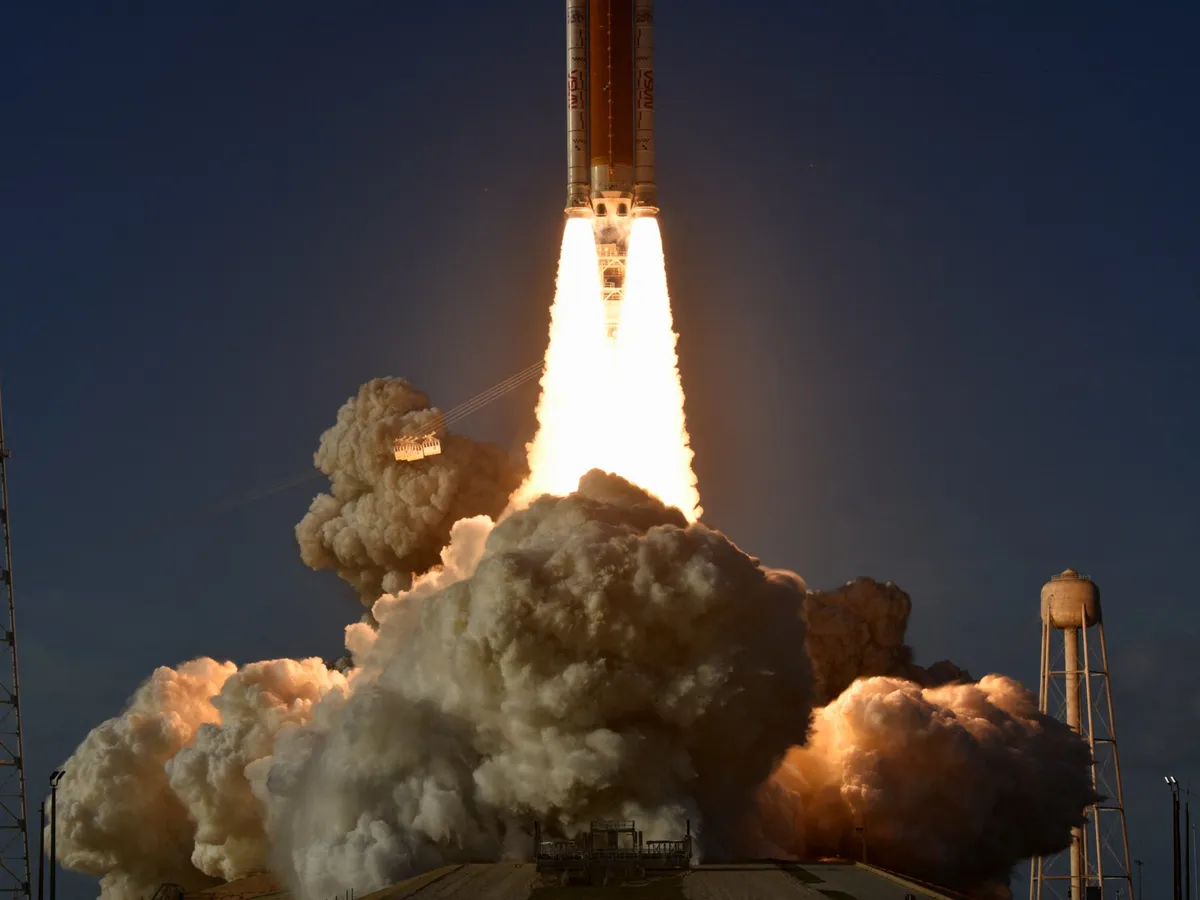
NASA’s Artemis II mission launched successfully on April 1, 2026, at 6:35 PM ET from Cape Canaveral, Florida. This mission marks a significant milestone as it includes NASA astronauts Reid Wiseman, Victor Glover, Christina Koch, and Canadian astronaut Jeremy Hansen, making it the first crewed mission to the moon’s vicinity since the Apollo program ended in 1972.
The mission is expected to last approximately 10 days, with the crew anticipated to reach the moon on about April 6, 2026. During the flyby, the capsule will travel at an altitude of approximately 4,000 to 6,000 miles above the lunar surface. Reid Wiseman, the mission commander, expressed excitement about the journey, stating, “We have a beautiful moonrise.”
The Artemis II mission will not land on the moon but will instead follow a ‘free-return’ trajectory, allowing the crew to circle the moon before returning to Earth. The mission is set to conclude with a splashdown in the Pacific Ocean on April 10, 2026. The crew will experience speeds of up to 25,000 mph (40,230 km/h) during re-entry.
Victor Glover, who is part of this historic mission, is noted for being the first Black astronaut assigned to a lunar mission. This mission serves as a precursor to future Artemis missions, including Artemis III planned for 2027, which aims to involve docking with lunar landers. Observers note that the Artemis II mission represents the first time that humans have visited the moon since the Apollo 17 mission back in 1972.
As the mission progresses, the crew will be closely monitored, and their experiences will contribute to the planning of future lunar missions. The idea is to descend to the surface of the Earth’s only natural satellite again on Artemis IV in 2028. This ambitious schedule reflects NASA’s renewed commitment to lunar exploration and the eventual goal of establishing a sustainable human presence on the moon.
Details remain unconfirmed regarding the specific scientific objectives of the Artemis II mission, but the excitement surrounding the crew’s journey is palpable. The mission is expected to provide valuable data and insights that will aid in the planning of subsequent missions to the moon and beyond.
With the successful launch of Artemis II, NASA is poised to take significant steps toward its long-term goals in space exploration, making this mission a pivotal moment in the history of human spaceflight.