Key moments
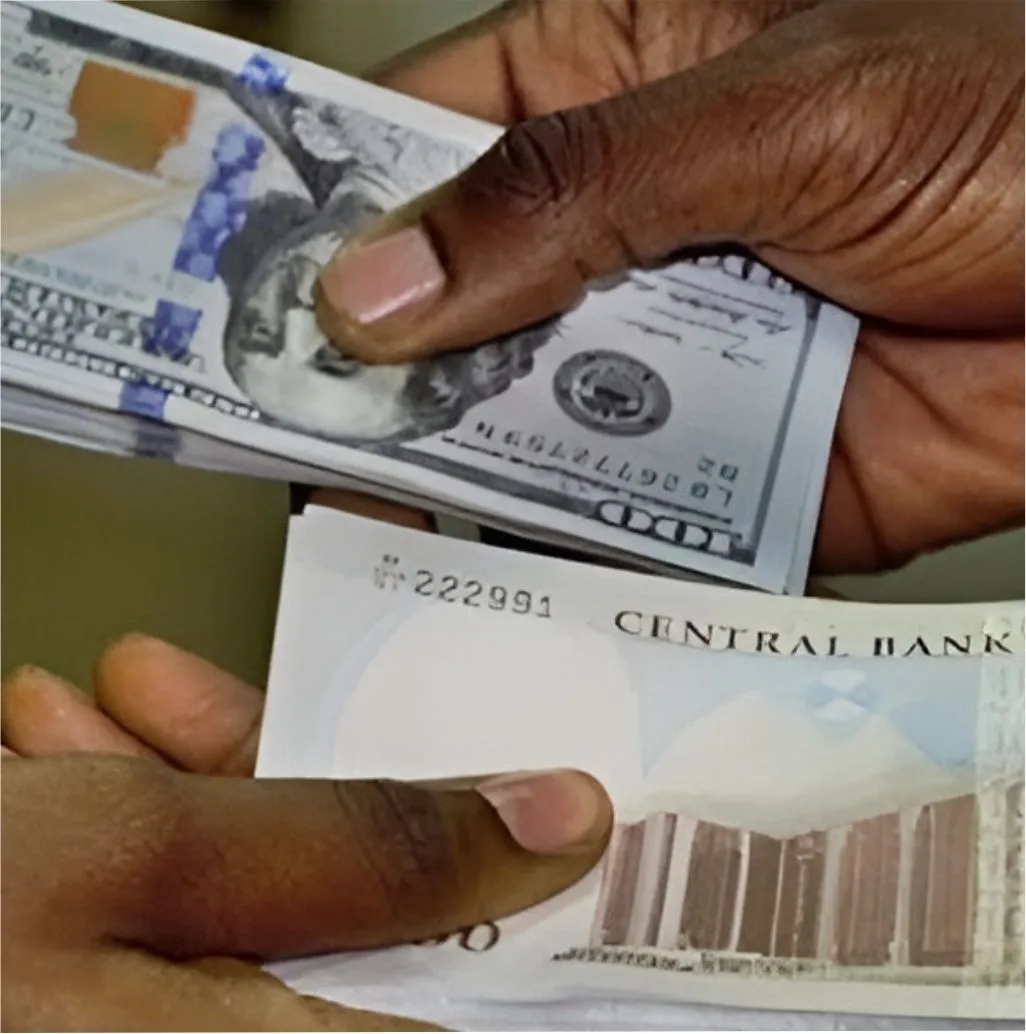
As of March 23, 2026, the official exchange rate for the Naira stands at approximately ₦1,356.74 per Dollar. This figure reflects the ongoing fluctuations in Nigeria’s foreign exchange market, which have been influenced by various economic factors, including oil production levels and inflation rates.
In contrast, the black market rates present a more expensive scenario for those seeking to exchange currency outside of official channels. The buying rate for the Dollar in the black market is currently ₦1,390, while the selling rate is ₦1,400, indicating a ₦10 spread between these two rates. This divergence highlights the significant differences between the official and black market exchange rates.
Throughout mid-March, the Naira’s exchange rate fluctuated within a range of ₦1,344 to ₦1,370, with an intraday high reaching ₦1,362.00 in recent trading sessions. These fluctuations are indicative of the volatility in the market, which is often driven by external factors such as Nigeria’s crude oil exports.
Nigeria’s external reserves have recently hovered around the $50 billion mark, a critical factor that impacts the stability of the Naira. The Central Bank of Nigeria has maintained high interest rates in an effort to combat inflation, which has seen a slight decrease to 15.10% earlier this year. These measures are part of a broader strategy to stabilize the economy and manage the exchange rate.
The Dollar to Naira exchange rate is a key economic indicator in Nigeria, reflecting the overall health of the economy and the confidence of investors. The black market operates independently of the official foreign exchange window, often leading to disparities in exchange rates that can affect businesses and consumers alike.
Looking ahead, the future direction of the Dollar to Naira exchange rate will largely depend on foreign exchange inflows from crude oil exports, which remain a vital component of Nigeria’s economy. Analysts suggest that any significant changes in oil production levels or global oil prices could further influence the exchange rate dynamics.
As the situation continues to evolve, stakeholders in Nigeria’s economy are closely monitoring these developments. Details remain unconfirmed regarding potential policy changes that may arise in response to the current exchange rate pressures.