Nigeria’s Diplomatic Challenges Amid Upcoming Elections
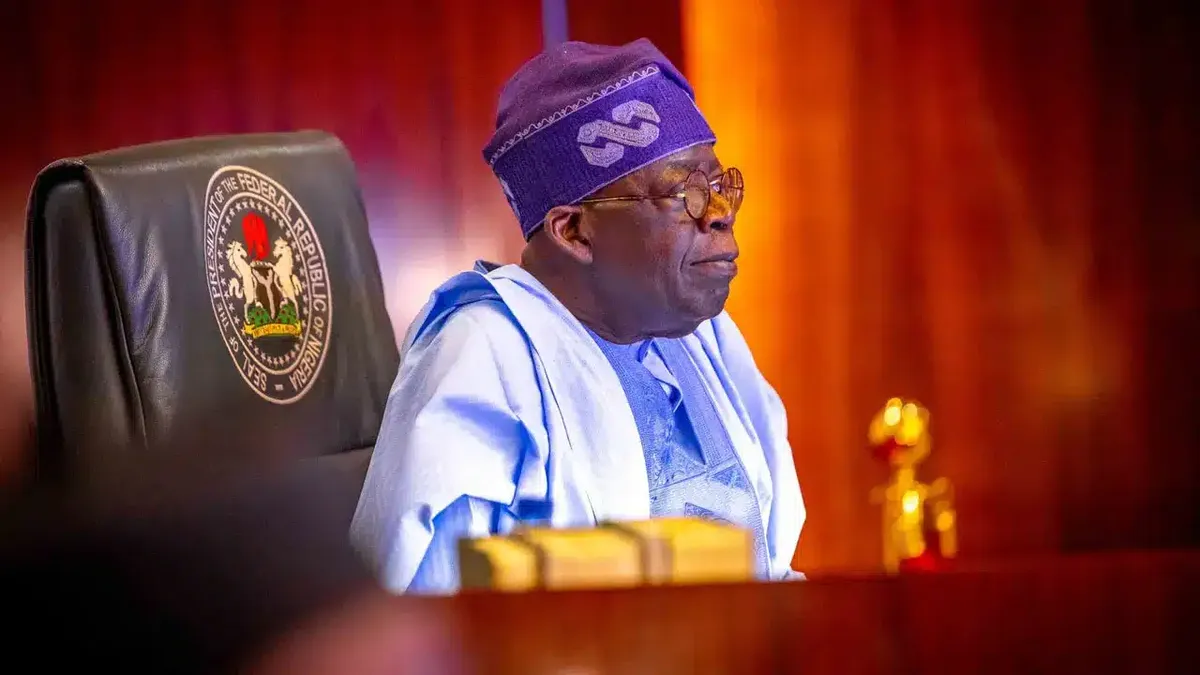
The Nigerian government is currently navigating a complex diplomatic landscape marked by the recent recall of 83 ambassadors and the impending presidential election scheduled for January 16, 2027. This situation has created significant challenges for the administration of President Bola Tinubu, whose first term is set to conclude in May 2027. The diplomatic process surrounding the appointment of new ambassadors has been further complicated by the government’s focus on ensuring the safety of its citizens abroad.
In light of the ongoing tensions in Iran, where protests erupted following the death of Ayatollah Ali Khamenei on February 28, 2026, the Federal Government has initiated the evacuation of Nigerians residing in the country. Officials from the Nigerian Embassy in Tehran are escorting these individuals into Armenia, ensuring their safety amid the unrest. Fortunately, no Nigerian has been reported harmed during this period of heightened tensions.
Victor Osimhen’s Impact on the Football Scene
In the realm of sports, Nigerian footballer Victor Osimhen has made headlines with his impressive performance in the UEFA Champions League. He provided the assist for Mario Lemina’s goal in Galatasaray’s recent 1-0 victory over Liverpool F.C., showcasing his significant contribution to the team’s success. Osimhen has been directly involved in eight goals in the Champions League this season, further solidifying his reputation as a key player in European football.
Osimhen expressed his enthusiasm following the match, stating, “We are a family together with the Galatasaray fans. We did a very good job today.” His performance not only highlights his individual talent but also reflects the broader success of Nigerian players on the international stage.
Government’s Response and Future Implications
The Nigerian government’s efforts to evacuate its citizens from Iran are part of a broader strategy to safeguard Nigerians abroad during emergencies. However, this situation raises questions about the future of Nigeria’s diplomatic representation. A senior foreign service official noted, “The problem we have, which we are trying at the moment to see what we can do about, is that most countries, like India, will tell you that if an ambassador has less than one year or two, they may have issues.” This indicates that the diplomatic process may face delays as the government navigates the complexities of appointing new ambassadors.
Ambassador Ogbole Amedu-Ode emphasized the importance of pragmatism in addressing these diplomatic challenges, stating, “The underlying word here is pragmatism.” As the government works to stabilize its diplomatic relations, observers are keenly watching how these developments will unfold, particularly in light of the upcoming elections.
In the meantime, the Nigerian government continues to prioritize the safety of its citizens abroad while managing the intricacies of international diplomacy. Linc Edochie, a political analyst, cautioned against provoking superpowers, remarking, “You don’t want to provoke a superpower. If we draw their attention towards us, we’re in trouble.” This sentiment underscores the delicate balance the Nigerian government must maintain as it navigates both domestic and international challenges.