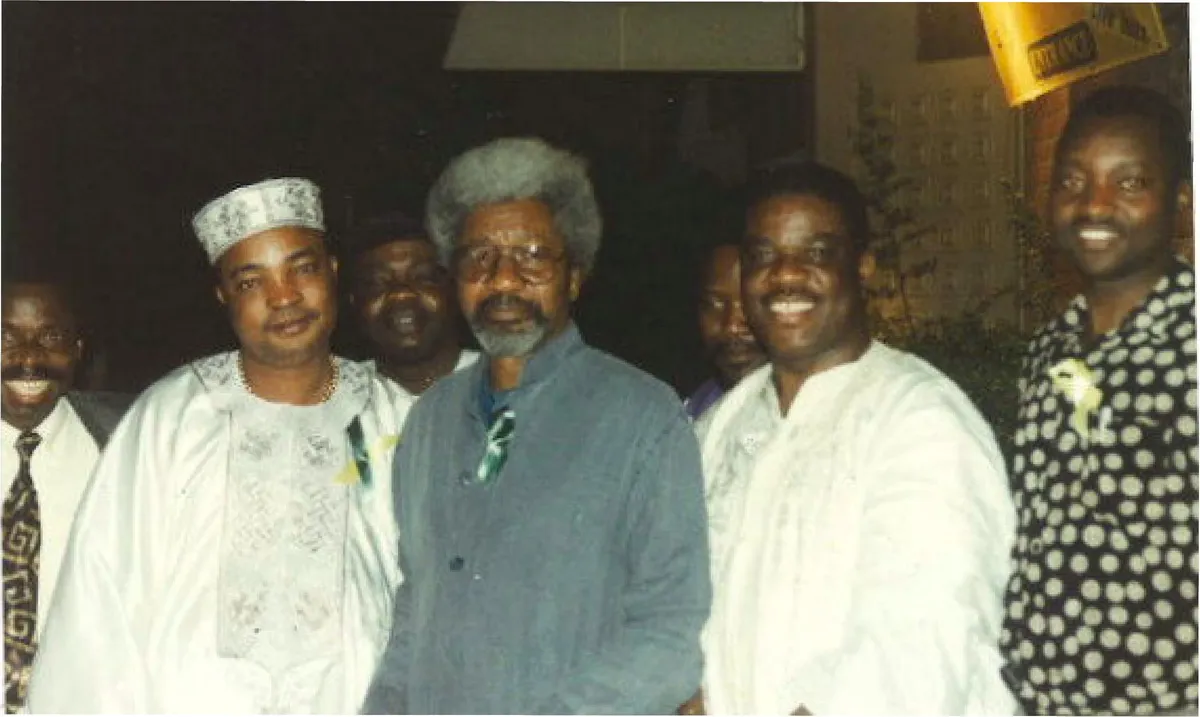
“General Sani Abacha, once presumed face of oppression, will be remembered as seemingly more democratic and more respectful of human rights than the so-called champions of activism from the NADECO days,” stated Peter Obi, igniting a fierce debate within Nigeria’s political arena.
Obi’s comments, made in a recent statement, have drawn significant backlash from various political figures, particularly from Femi Fani-Kayode. Fani-Kayode condemned Obi’s remarks, calling them offensive to the memory of those who fought against military dictatorship, stating, “You have totally and completely lost your mind and this post of yours will go down in infamy as the most consequential one you ever made.”
Fani-Kayode further warned that such comments could jeopardize Obi’s aspirations for the presidency, emphasizing the sensitivity surrounding Nigeria’s pro-democracy struggle. Kayode Oladele also criticized Obi, labeling his statement as naive and reckless, claiming it distorts Nigeria’s democratic history.
The controversy erupted following the Independent National Electoral Commission’s (INEC) recent derecognition of certain leaders within the African Democratic Congress (ADC), a move that has heightened tensions in the political landscape.
Members of the National Democratic Coalition (NADECO) are remembered for their sacrifices during the pro-democracy struggle that followed the annulment of the June 12, 1993 presidential election. Their efforts were pivotal in restoring democracy in Nigeria after years of military rule.
Obi’s remarks have sparked outrage, with many arguing that they undermine the sacrifices made by pro-democracy activists. “To mock the memory of those that died fighting for democracy in the June 12 struggle and sacrificed their lives and liberty as members of NADECO in this way is unacceptable and unforgivable,” Fani-Kayode asserted.
Critics have pointed out that the Abacha regime was characterized by repression and a blatant disregard for human rights, making any comparison to democratic values highly contentious.
As the political discourse continues, the implications of Obi’s statements remain to be seen, with many anticipating further developments in the ongoing dialogue surrounding Nigeria’s democratic history.
Details remain unconfirmed.