What observers say
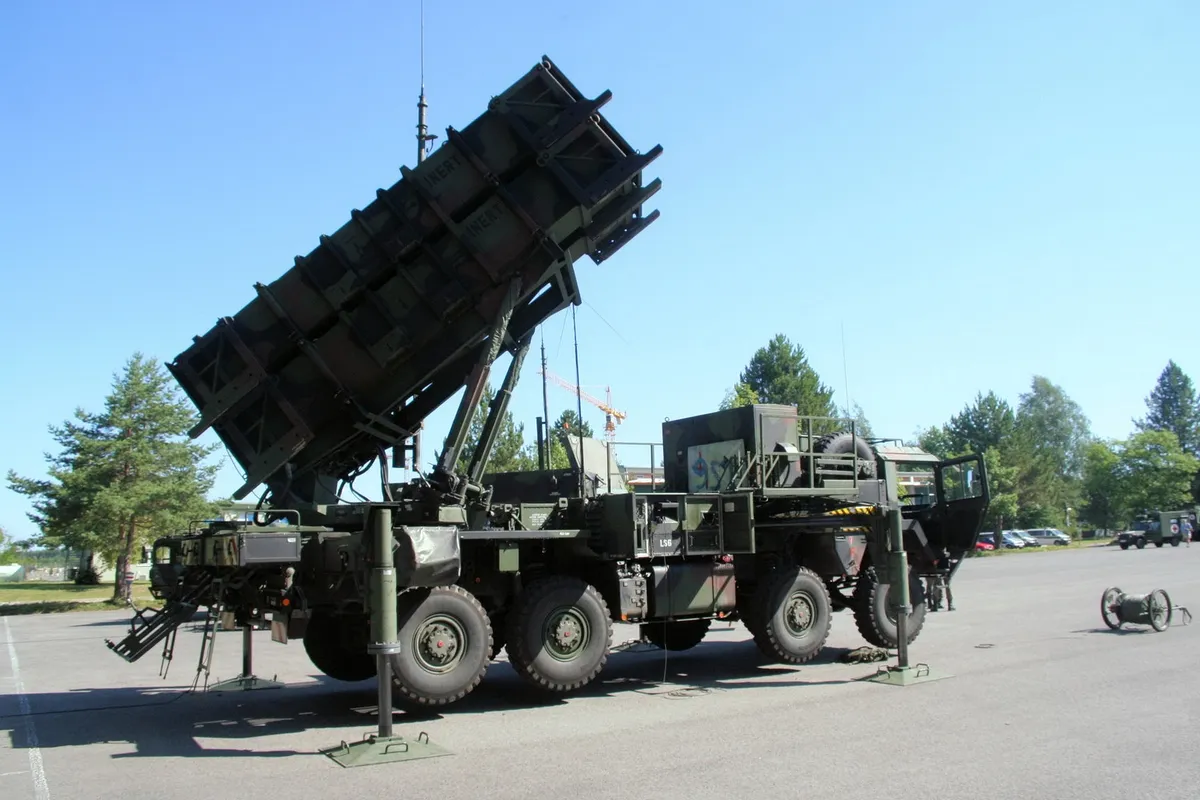
The MIM-104 Patriot system, originally designed in the 1960s as an anti-aircraft platform, has undergone significant evolution to become a central component of the integrated air and missile defense (IAMD) concept. This transformation reflects advancements in military technology and strategic defense needs.
One of the most notable upgrades in the Patriot system is the transition from the PAC-2 version’s fragmentation warhead to the PAC-3 MSE’s direct hit-to-kill technology. This paradigm shift in defense physics allows the PAC-3 missiles to destroy targets by transferring their kinetic energy directly to the target’s warhead, enhancing the effectiveness of the system against modern threats.
The PAC-3 MSE is recognized as the most advanced munition within the Patriot system, capable of intercepting threats at a closing speed of Mach 10. The PAC-3 missiles are approximately one-quarter the volume of their predecessors, the PAC-2s, which allows for greater efficiency in deployment and operation.
The AN/MPQ-65 radar, a multi-functional passive electronically scanned array (PESA) system, plays a crucial role in the Patriot system’s capabilities. This advanced radar system enhances target detection and tracking, ensuring that the Patriot can effectively engage a variety of aerial threats.
In a significant move to bolster its defense capabilities, the U.S. Navy plans to spend about $1.7 billion to purchase 405 Patriot missiles as part of its proposed fiscal year 2027 budget. This investment underscores the Navy’s commitment to maintaining a robust air defense posture amid evolving global threats.
Additionally, the Navy has requested $416 million for integrating new missiles into shipboard systems in fiscal year 2026, further indicating a strategic focus on enhancing naval air defense capabilities. The PAC-3 missiles, with a ballistic range of 50–60+ km and a service ceiling of 24,000 m, provide a versatile solution for intercepting various aerial threats.
Historically, the origins of the Patriot system lie in the U.S. Army’s search for a highly mobile air defense system to replace the ageing Nike Hercules and MIM-23 Hawk systems. Over the decades, the system has adapted to meet the demands of modern warfare, becoming a cornerstone of U.S. military defense strategy.
As military analysts observe these developments, they anticipate that the continued investment in the MIM-104 Patriot system will enhance the U.S. Navy’s operational capabilities. Details remain unconfirmed regarding specific deployment timelines and operational integration, but the focus on advanced missile defense systems is clear.