Key moments
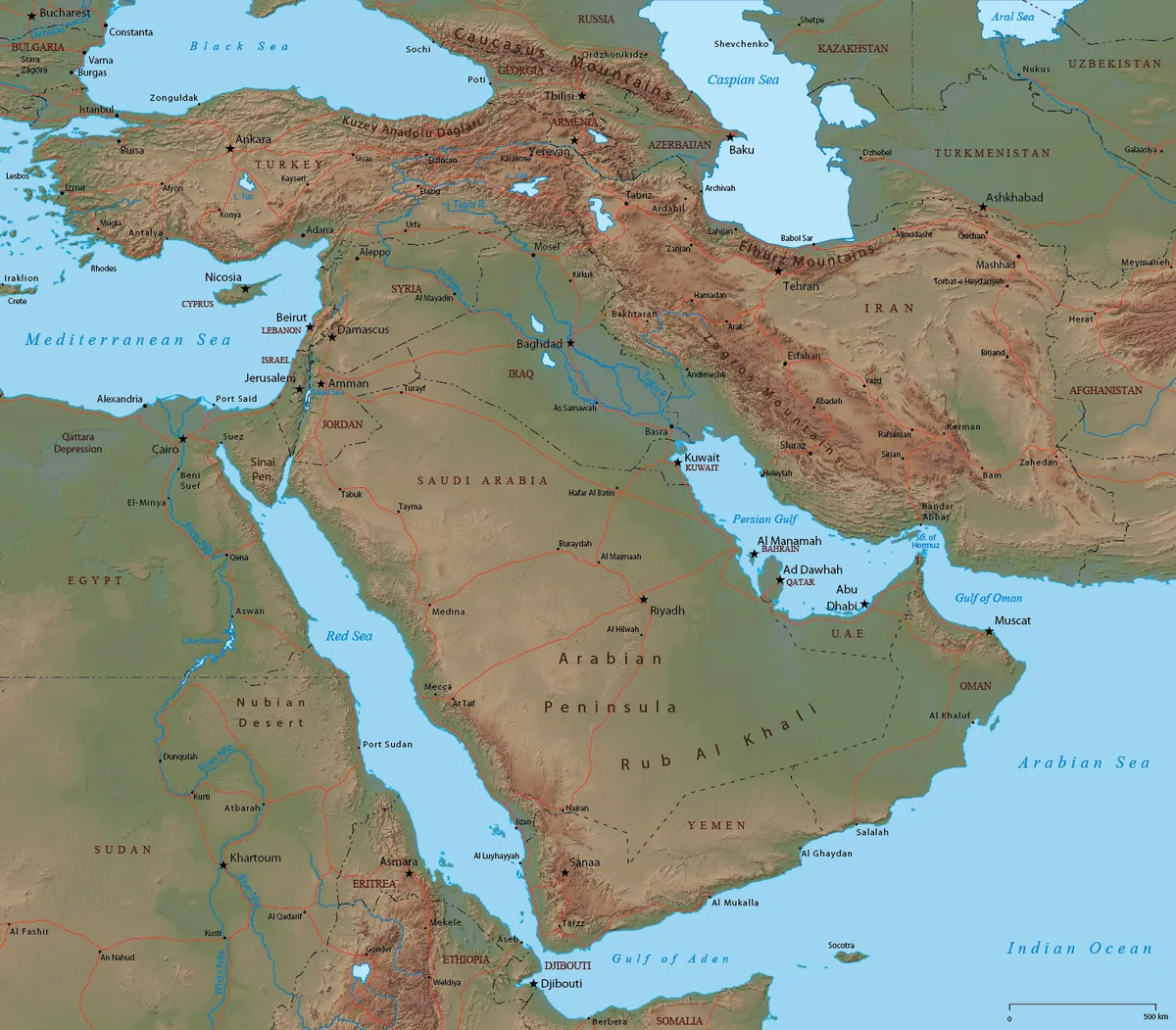
On April 7, 2026, the ongoing conflict in the Middle East, particularly involving the United States and Israel against Iran, has begun to significantly affect economies across Africa. In Kenya, private sector activity has reportedly fallen to its weakest level in eight months, as indicated by a Purchasing Managers’ Index (PMI) of 47.7 in March, down from 50.4 in February.
The immediate repercussions of this conflict have been felt globally, with crude oil prices surging above $100 per barrel, marking a more than 50 percent increase since March 24, 2026. This spike in oil prices has led to one of the largest supply disruptions in global oil markets, particularly affecting oil flows through the vital Strait of Hormuz. As a result, at least 29 African currencies have weakened, exacerbating inflationary pressures across the continent.
In Nigeria, the conflict has resulted in petrol prices rising by more than 25 percent since the war’s outbreak on February 28, 2026. This increase is expected to further strain the budgets of ordinary Nigerians, who often do not benefit from the oil windfalls that the country experiences. Stephen Onyeiwu, an economist, noted, “Ordinary Nigerians rarely benefit directly from oil windfalls,” highlighting the disconnect between oil revenues and local economic benefits.
Meanwhile, Kenyan banks reported a record profit of $2.16 billion in 2025, despite the economic challenges posed by rate cuts. However, the current economic climate, driven by rising oil prices, is likely to increase energy costs and transport fares, leading to fiscal pressures across the continent, as stated by Ibrahima Thiam.
In Egypt, the central bank has opted to hold its benchmark interest rates steady at 19 percent for deposits and 20 percent for lending, a decision made amid rising inflation. This move reflects the broader economic uncertainty and the need for stability in the face of external shocks caused by the Middle East conflict.
Analysts are concerned that while higher oil revenues may provide some financial relief, they may not sufficiently offset the rising import costs and inflation that many African nations are experiencing. Stephen Onyeiwu remarked, “Higher oil revenues may not offset rising import costs and inflation,” indicating the complex economic landscape that countries like Nigeria and Kenya must navigate.
As the conflict continues, there is a growing recognition of the need for energy diversification. Yusuf Tuggar, a Nigerian official, emphasized that the crisis highlights the necessity for global energy diversification and positions Nigeria as a potential partner to Gulf producers during these supply disruptions. This perspective underscores the shifting dynamics in global energy markets as countries seek to mitigate the impacts of geopolitical conflicts.
Overall, the ongoing Middle East conflict is reshaping economic realities in Africa, with immediate effects on oil prices, local currencies, and inflation rates. As the situation develops, the long-term implications for African economies remain to be seen, but the current trends indicate a challenging road ahead for many nations on the continent.