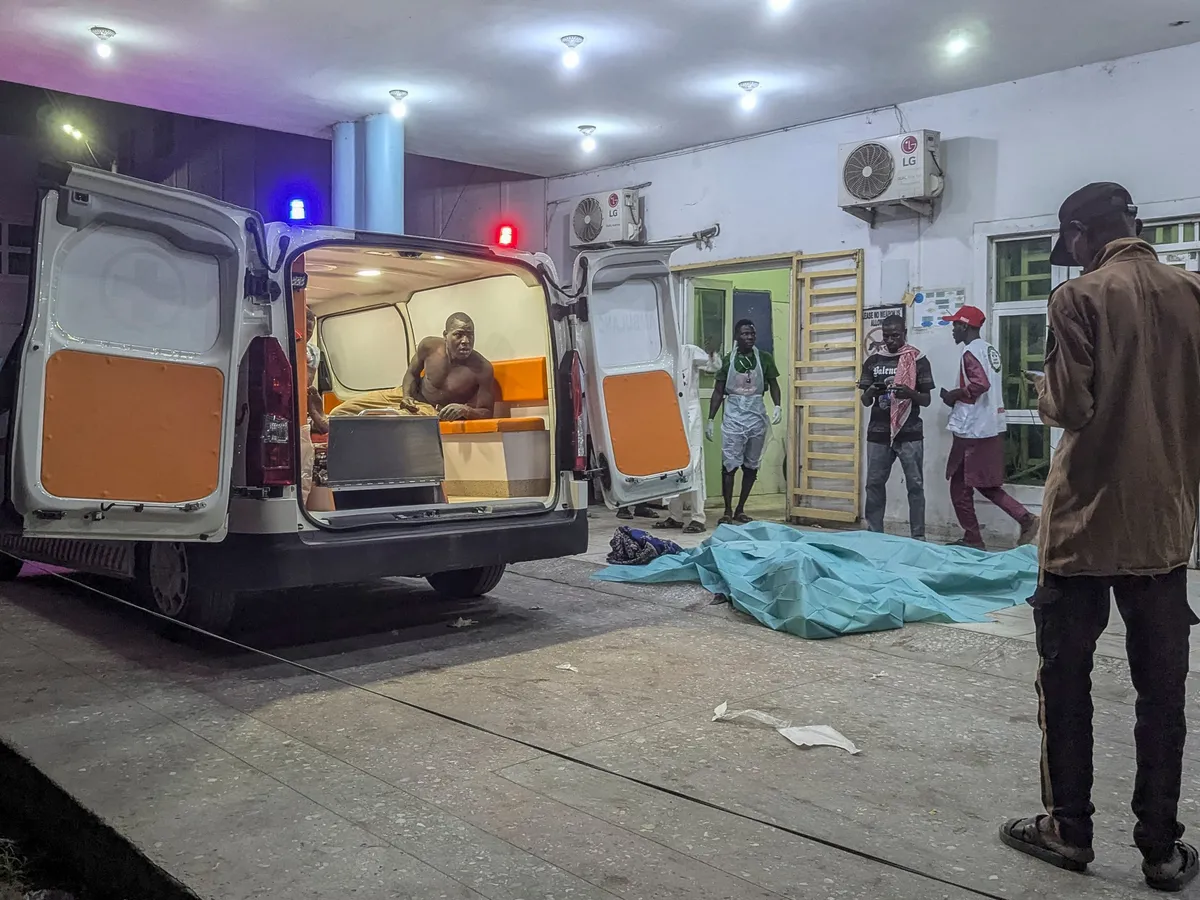
On March 17, 2026, a tragic series of blasts occurred in Maiduguri, Nigeria, resulting in at least 23 fatalities and injuring more than 100 individuals. The explosions took place at the entrance of the University of Maiduguri Teaching Hospital and two local markets, areas typically bustling with activity.
Preliminary investigations suggest that the attacks were executed by suspected suicide bombers, a tactic that has been associated with the ongoing violence in the region. Borno State Governor Babagana Zulum condemned the bombings, describing the act as “utterly condemnable, barbaric and inhumane.” This incident marks a concerning escalation in violence, as Maiduguri had experienced relative calm in recent years, following a peak in attacks during the mid-2010s.
Local officials reported that many victims were rushed to the emergency ward, with some succumbing to their injuries shortly after arrival. Mohammed Hassan, a local resident, stated, “Many victims were rushed to the emergency ward, but some died at the hospital. We’re in dire need of blood.” Meanwhile, Bagoni Alkali, a medical professional, confirmed that over 200 people were receiving care in the accident and emergency department.
The last major attack in Maiduguri occurred in 2021, resulting in the deaths of 10 people. This recent incident underscores the ongoing security crisis in Nigeria, which involves various armed groups, including Boko Haram and ISIL (ISIS). In a related context, the Nigerian military has been actively engaged in repelling attacks by suspected fighters on the outskirts of Maiduguri.
In the wake of these attacks, the United States has begun deploying troops to Nigeria to assist in combating armed groups. This deployment follows coordinated air attacks conducted by AFRICOM in December, aimed at supporting Nigerian authorities in their fight against terrorism.
As the situation develops, the community grapples with the aftermath of the bombings. Details remain unconfirmed regarding the full extent of the casualties and the motivations behind the attacks. The implications of this violence are profound, affecting not only the immediate victims and their families but also the broader security landscape in Nigeria.