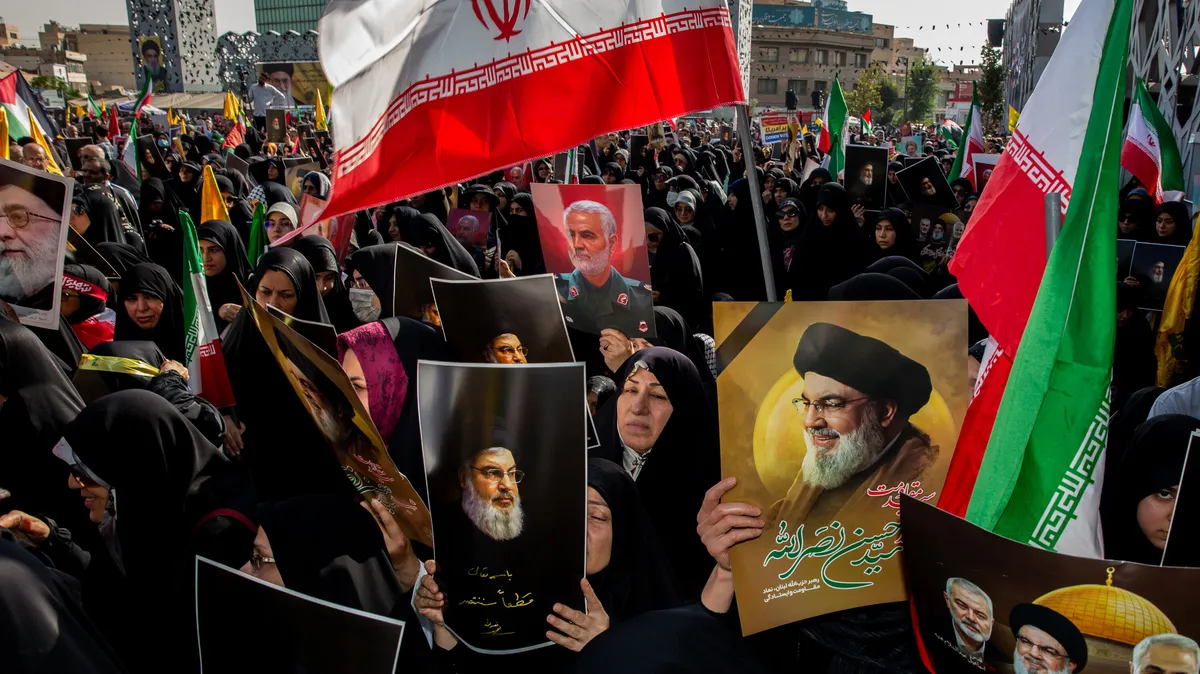
Breaking Developments in the Israel-Iran War
On February 28, 2026, the United States and Israel initiated coordinated military operations against Iran, marking a significant escalation in the ongoing conflict. The operations primarily targeted Iran’s nuclear facilities, military infrastructure, and leadership, aiming to eliminate perceived threats from the Iranian regime.
Immediate Circumstances and Casualties
In response to these military actions, Iran launched waves of ballistic missiles and drones aimed at Israeli population centers and Arab Gulf states. Israeli officials reported that over 180 ballistic missiles have been fired toward Israel since the conflict began, resulting in significant civilian casualties. As of now, 14 civilians have been killed and more than 2,000 wounded in Israel due to these missile attacks. Additionally, the fallout from Iranian missile interceptions has caused casualties and damage in the United Arab Emirates, particularly near Palm Jumeirah and Dubai International Airport, where six people have been reported killed.
Wider Context of the Conflict
The Iran-Israel war has broader implications, disrupting energy and maritime infrastructure across the Gulf and affecting global energy markets. The conflict has unsettled Dubai’s reputation as a neutral and secure location, which has been marketed as a haven for global wealth and digital celebrities. The ongoing violence has raised questions about the safety and security of such urban centers amidst regional turmoil.
Reactions from Leaders
U.S. President Donald Trump stated, “The United States military began major combat operations in Iran to defend the American people by eliminating imminent threats from the Iranian regime.” He further emphasized that “Iran can never have a nuclear weapon.” Israeli Prime Minister Benjamin Netanyahu echoed these sentiments, asserting that “the existential threat posed by the terrorist regime in Iran must be removed.” These statements underline the urgency felt by both nations regarding the Iranian threat.
Impact on Regional Dynamics
Hezbollah has also intensified its attacks on Israel, launching rockets and missiles from southern Lebanon, further complicating the regional security landscape. The UAE’s air defense systems have intercepted many of the projectiles launched by Iran, showcasing the ongoing military readiness in the Gulf. However, the conflict has also led to a reported 90% decline in ballistic missile launches from Iran since the start of the war, indicating a shift in military strategy.
Future Outlook and Concerns
The appointment of Mojtaba Khamenei as the new supreme leader of Iran following the death of his father, Ali Khamenei, adds another layer of uncertainty to the conflict. Reports suggest that Khamenei has allegedly purchased $100 million worth of luxury property, raising concerns about the financial motivations behind Iran’s military actions. As the situation evolves, the implications for Dubai and the broader Gulf region remain significant.
Final Thoughts
The ongoing Israel-Iran war serves as a wake-up call for influencers and residents in Dubai, highlighting vulnerabilities in a city long regarded as a secure haven. As military operations continue and civilian casualties mount, the need for a resolution becomes increasingly urgent. Details remain unconfirmed as the situation develops, but the impact of this conflict is already being felt across the region.