Background and Expectations
Before the recent appointment of Mojtaba Khamenei as Iran’s supreme leader on March 9, 2026, the nation was navigating through a significant crisis, the most severe in its 47-year history. Expectations surrounding the leadership transition were high, particularly given the legacy of his father, Ayatollah Ali Khamenei, who had held the position for decades.
Decisive Moment
The decisive moment came following the death of Ayatollah Ali Khamenei due to US-Israeli strikes, which left a leadership vacuum in Iran. Mojtaba Khamenei, who had never held a formal position in government prior to his appointment, was seen as a controversial choice. His strong ties with the Islamic Revolutionary Guard Corps (IRGC) and reputation as a hardliner raised concerns both domestically and internationally.
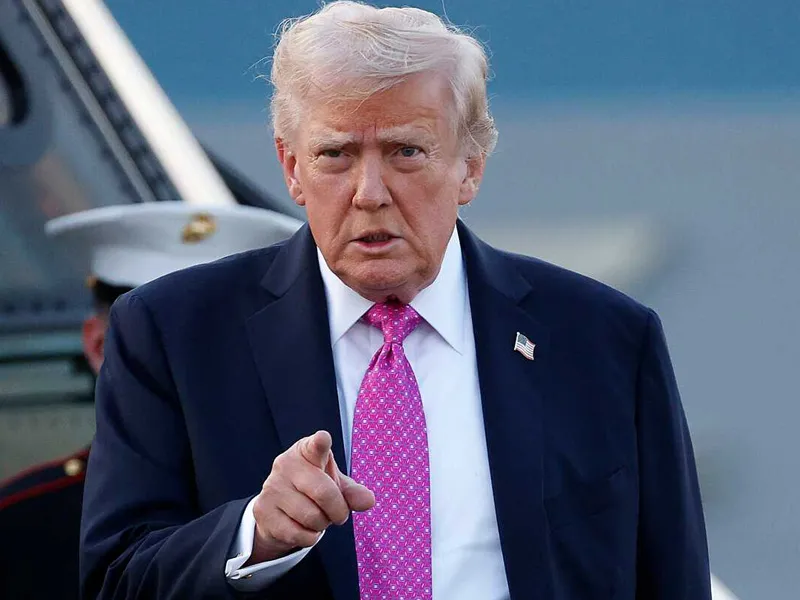
The appointment elicited varied responses from global leaders. Oman’s Sultan sent a cable of congratulations, while Iraqi Prime Minister Mohammed Shia al-Sudani expressed confidence in Khamenei’s leadership during this sensitive stage. In contrast, US President Donald Trump criticized the appointment, stating, “I think they made a big mistake.” This reflects the polarized views on Iran’s new leadership.
International Perspectives
Russian President Vladimir Putin pledged “unwavering support” for Iran following Khamenei’s appointment, emphasizing the importance of solidarity with Tehran. Meanwhile, China’s Foreign Ministry noted that the appointment adhered to Iran’s constitution, reinforcing the legitimacy of the new leadership. In stark opposition, Israel’s Foreign Ministry labeled Khamenei a “tyrant” and threatened to eliminate any successor to his father.
Impact on Iran and Beyond
The shift in leadership is expected to have profound implications for Iran’s domestic and foreign policies. The Islamic Revolutionary Guard Corps, which has significant influence in Iran, is likely to play a crucial role in shaping Khamenei’s agenda. Additionally, the welcome from Yemen’s Houthis as a victory for the Islamic Revolution indicates a potential strengthening of ties with regional allies.
As Iran embarks on this new chapter under Mojtaba Khamenei, the international community watches closely. The contrasting reactions highlight the complexities of Iran’s political landscape and the potential ramifications for regional stability. Details remain unconfirmed regarding the long-term impacts of this leadership change.