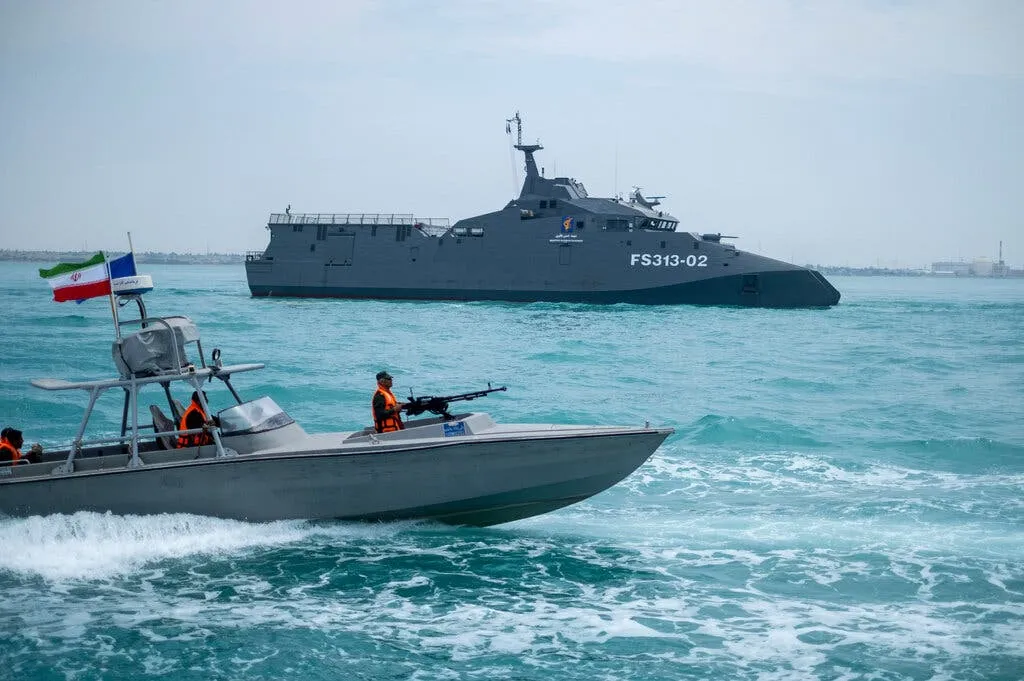
“The Strait of Hormuz is not an oil chokepoint; it is the aortic valve of globalised production,” stated Mohammed Al-Hashemi, highlighting the critical role this waterway plays in international trade.
The Strait of Hormuz has been effectively shut since the United States and Israel launched coordinated strikes on Iran on February 28. This conflict has resulted in significant casualties, with approximately 2,000 Iranians and over 1,100 individuals in Lebanon reported killed.
As a result of the ongoing war, maritime traffic through the Strait of Hormuz has plummeted by 90 percent, severely disrupting global oil supply. The war has led to the largest supply disruption in the history of the global oil market, with an estimated loss of 20 million barrels of oil per day.
The price for a barrel of Brent crude oil has surged to $105.32, a stark increase from around $70 prior to the conflict. This escalation in oil prices has raised concerns among economists, with Carmen Reinhart warning, “You’re raising the risk of higher inflation and lower growth.”
In a bid to manage the situation, Iran has agreed to allow 20 Pakistani-flagged vessels to transit the Strait of Hormuz. Additionally, Iran’s Islamic Revolutionary Guard Corps (IRGC) has established a checkpoint for ships seeking passage through the strait.
Iran has also demanded formal international recognition of its authority over the Strait of Hormuz as a condition for ending the war. Meanwhile, Iran’s parliament is moving to legalize toll collection for ships passing through the strait.
Fatih Birol emphasized the global ramifications of the conflict, stating, “No country will be immune to the effects of this crisis if it continues to go in this direction.” The long-term implications of the war on global trade and energy markets remain unclear.
Details remain unconfirmed regarding the timeline for the recovery of infrastructure damaged during the war. As the United States has eased strikes on Iranian power plants for five days, the situation remains fluid and subject to change.