What Does International Women’s Day Represent?
International Women’s Day, celebrated annually on March 8, raises critical questions about the status of women and girls around the world. This year, the focus is on the contributions of women to democracy, highlighting the ongoing struggle for gender justice. The day serves as a reminder that while progress has been made, significant challenges remain.
The Current State of Gender Inequality
Recent statistics reveal alarming trends regarding women’s health and safety. Women and girls account for approximately two in every three new HIV infections in sub-Saharan Africa, with 3,300 adolescent girls and young women acquiring the virus weekly in this region alone. Globally, 4,000 adolescent girls and young women are newly infected with HIV each week, underscoring the urgent need for comprehensive health education and resources.
Violence Against Women
Moreover, nearly one in four adolescent girls experiences physical or sexual violence before reaching the age of 20. This statistic highlights the pervasive nature of violence against women, which is not only persistent but also growing in many countries. As Rev. Dr. Marcia Blasi aptly stated, “Presence is not participation,” emphasizing that mere acknowledgment of women’s presence is insufficient without genuine engagement and action.
Barriers to Autonomy
Fewer than half of women globally can make their own decisions regarding sex, contraception, and health care. This lack of autonomy is a significant barrier to achieving gender equality and is often exacerbated by patriarchal structures that concentrate authority primarily in the hands of men. Winnie Byanyima, Executive Director of UNAIDS, noted, “HIV thrives where gender inequality persists,” linking health outcomes directly to the broader issue of gender justice.
The Need for Structural Change
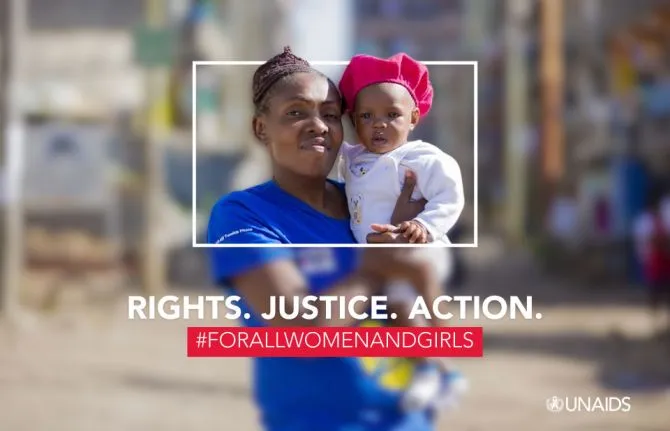
Gender justice is not merely a women’s issue; it requires accountability and transformation across all levels of society. As highlighted by Kevin Casas-Zamora, “Rights. Justice. Action. For ALL Women and Girls,” the fight for gender equality is a collective responsibility that necessitates systemic change. This includes addressing the root causes of gender-based violence and ensuring that women have a voice in decision-making processes.
Looking Ahead
As we approach International Women’s Day 2026, the focus on women’s contributions to democracy will continue to be paramount. However, the path forward is fraught with challenges, and details remain unconfirmed regarding specific initiatives aimed at addressing these issues. The call for gender justice must resonate beyond this single day, fostering ongoing dialogue and action.
International Women’s Day serves as a crucial reminder of the work that still needs to be done to achieve true gender equality. By acknowledging the contributions of women and addressing the systemic barriers they face, society can move closer to a future where every woman and girl can thrive.