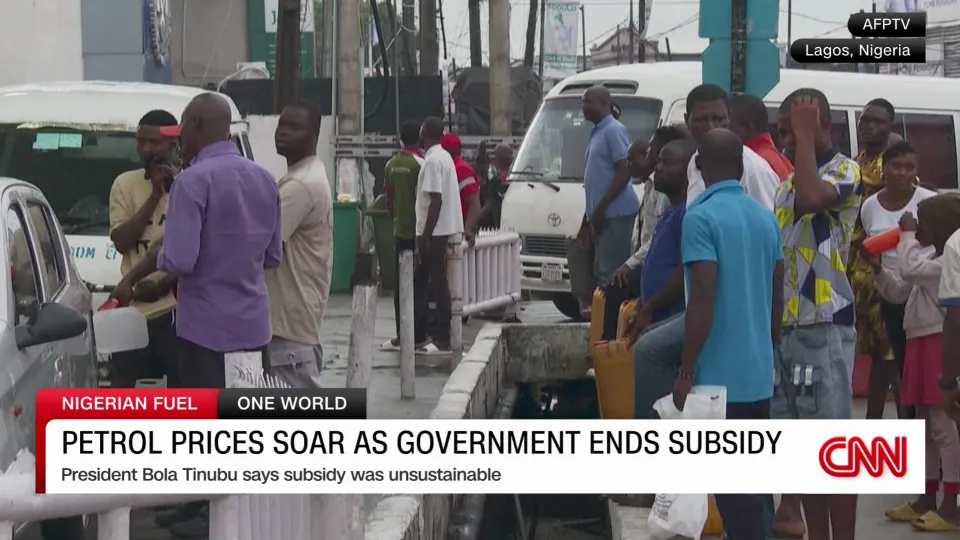
Current Fuel Prices in Nigeria
As of March 10, 2026, the price of petrol in Nigeria has been reduced to ₦1,075 per litre from ₦1,175 per litre, while diesel now costs ₦1,430 per litre, down from ₦1,620 per litre. This adjustment reflects a significant shift in the fuel pricing landscape, primarily driven by a decline in global crude oil prices.
Details of the Price Reductions
The Dangote Refinery, a key player in Nigeria’s oil sector, has implemented these price changes, which also include petrol supplied through coastal distribution now selling at ₦1,050 per litre. This is a notable decrease from previous prices, which had seen petrol rise to ₦1,175 per litre just days earlier on March 7, 2026. Prior to that, the price was ₦995 per litre on March 2, 2026.
Context of Price Changes
The recent fluctuations in fuel prices are set against a backdrop of geopolitical tensions, particularly involving the United States, Iran, and Israel, which have historically influenced global oil prices. The ongoing conflict has led to increased volatility in oil markets, prompting a rise in petrol prices in Nigeria prior to this recent reduction.
Expectations for Future Prices
Despite the current reductions, analysts predict that petrol prices may still exceed ₦1,200 per litre in Lagos and could reach around ₦1,300 in other parts of Nigeria. This expectation stems from the average daily crude oil consumption in Nigeria, which stands at approximately 60.2 million litres, indicating a high demand that could sustain elevated prices.
Industry experts have commented on the significance of these changes. Dr. Billy Gillis-Harry noted, “The reality is that if you look at the volatility in the price from what we are seeing today, the Dangote Refinery is the salvation for us due to the consistent source of product.” This highlights the refinery’s role in stabilizing fuel supply amidst fluctuating global prices.
Global Oil Market Influences
As the situation evolves, the impact of international relations on oil supply remains a critical factor. Donald Trump has previously stated that any disruption in oil flow, particularly through key regions like the Strait of Hormuz, could lead to severe repercussions. He remarked, “If Iran do anytin wey stop di flow of Oil within di Strait of Hormuz, di United States of America go hit dem TWENTY TIMES HARDER dan we bin don hit so far.” Such statements underscore the interconnectedness of global oil markets and local fuel prices.
As Nigeria navigates these changes in fuel pricing, the implications for consumers and the broader economy are significant. While current reductions offer some relief, the potential for future price increases looms, leaving many observers awaiting further developments. Details remain unconfirmed regarding how these geopolitical tensions will continue to influence fuel prices in the coming weeks.