Reaction from the field
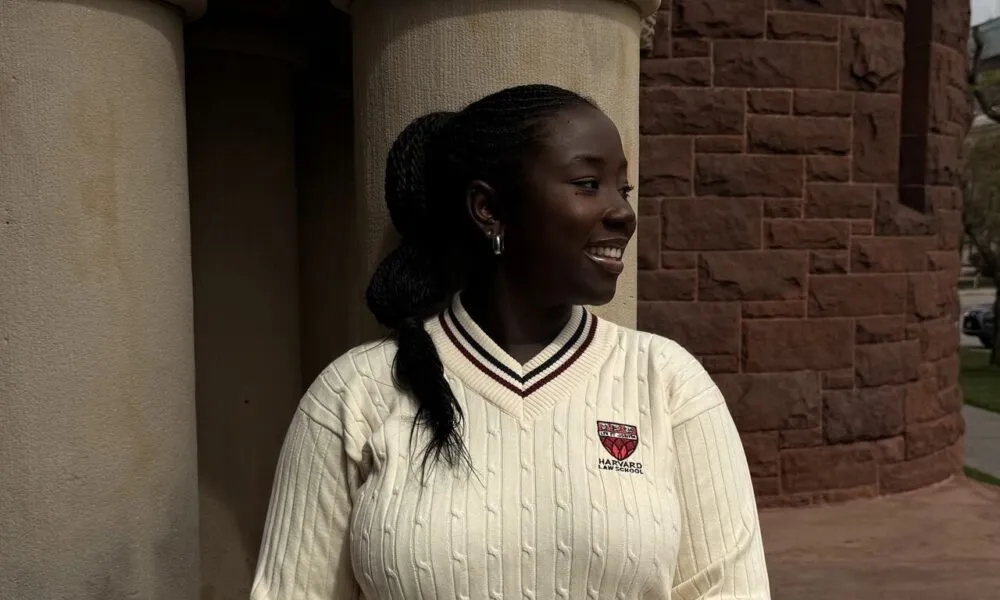
Harvard University finds itself at a critical juncture as it faces investigations from the Trump administration concerning alleged violations of Title VI of the Civil Rights Act. This scrutiny comes at a time when Ifeanyi Ruth Umunna has been elected Co-President of the Harvard Law Student Government for the 2026–2027 school year, marking a significant moment in student leadership.
Ifeanyi Umunna, who previously earned recognition as a 2024 Gates Cambridge Scholar with an MPhil in Criminology from the University of Cambridge, has made strides in advocating for justice-involved individuals through her nonprofit organization, ZeEntry. Umunna’s election is seen as a beacon of hope for many students who are eager for change and representation within the university’s governance.
However, the backdrop of Umunna’s leadership is marred by serious allegations against Harvard University. The Department of Education’s Office for Civil Rights has issued a Letter of Impending Enforcement Action, giving Harvard just 20 days to comply with information requests related to these civil rights concerns. This action underscores the federal government’s increasing focus on ensuring compliance with civil rights laws in educational institutions.
In addition to the federal scrutiny, Harvard received a ‘C’ on the Anti-Defamation League’s Campus Antisemitism Report Card, highlighting ongoing issues related to antisemitism on campus. Critics have pointed out that Harvard has been in the spotlight for tolerating antisemitic harassment for years, raising questions about the university’s commitment to creating a safe and inclusive environment for all students.
Linda McMahon, a prominent figure in the political landscape, remarked, “Harvard University should know better. Its name will always be tied to the landmark Supreme Court case that found sweeping racial discrimination in admissions and the campus has been in the spotlight for tolerating egregious antisemitic harassment for years now.” This statement reflects the broader concerns regarding Harvard’s handling of civil rights issues.
Alexander Kestenbaum, another voice in the debate, expressed astonishment at Harvard’s response to the investigations, stating, “I think it’s quite astounding that Harvard University knew that the Trump administration was going to investigate them for their civil rights violations and rather than cooperating to reach some sort of settlement negotiation or understanding, they dug deeper, and they refuse to cooperate with the federal government to ensure that no student is having their civil rights violated.” This sentiment resonates with many who are advocating for accountability and transparency within the university.
As the university navigates these challenges, it remains to be seen how Umunna’s leadership will influence the ongoing discussions surrounding civil rights and inclusivity on campus. Students have expressed mixed feelings, with some indicating a tendency to self-censor their political views due to the current climate. Kestenbaum noted, “A lot of students will self-censor, and so they don’t publicly admit how they really feel politically, but many are tremendously grateful to the administration for getting this university in check.” This highlights the complex dynamics at play within the student body.
As Harvard University grapples with these pressing issues, the outcome of the investigations and the effectiveness of new leadership remain uncertain. Details remain unconfirmed, and further developments are expected in the coming months as the university responds to federal inquiries and seeks to address the concerns raised by its community.