How it unfolded
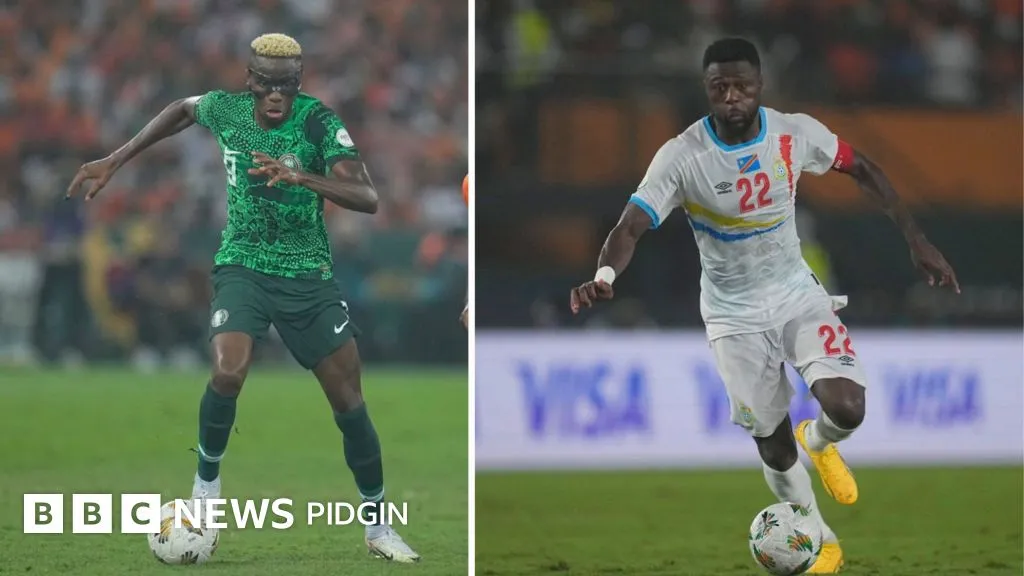
On November 16, 2025, Nigeria faced DR Congo in a crucial match during the African qualifying play-offs for the 2026 World Cup. The match ended in a dramatic penalty shootout, with DR Congo emerging victorious, winning 4–3. However, the aftermath of this match has been marred by controversy and disciplinary actions from FIFA.
Four months later, on March 15, 2026, FIFA announced sanctions against both the Nigeria Football Federation and the DR Congo Football Association for infractions that occurred during the match. Nigeria was fined 1,000 Swiss Francs for throwing objects onto the pitch, while DR Congo faced a heftier fine of 5,000 Swiss Francs for the use of laser pointers, which can distract players during critical moments.
The sanctions were part of FIFA’s broader disciplinary overview for World Cup qualifying matches, emphasizing the importance of maintaining fair play and safety during competitions. FIFA’s decisions are often subject to appeal, and in this case, both federations have expressed their intentions to address the outcomes.
In the wake of the match, Nigeria filed a complaint with FIFA, alleging that several DR Congo players were ineligible to participate. The Nigeria Football Federation claimed that these players had switched nationalities improperly, raising questions about their eligibility under FIFA’s regulations. Mohammed Sanusi, a representative from the Nigeria Football Federation, stated, “We believe say dem deceive Fifa to clear dem,” indicating their strong belief in the validity of their claims.
Despite the sanctions, FIFA’s stance on player eligibility remains clear. Sanusi further noted, “As far as FIFA is concerned, once you have the passport of your country, you are eligible,” suggesting that the governing body may not find merit in Nigeria’s complaint regarding player eligibility.
Shehu Dikko, another official from the Nigeria Football Federation, expressed cautious optimism about the situation, stating, “We are very hopeful that Nigeria will win the eligibility case, and the Super Eagles will proceed to play in the playoff, and possibly make the World Cup party.” This reflects the ongoing hope within the Nigerian football community for a favorable resolution.
The fact that DR Congo is among the six nations competing for the final two spots in the playoff adds another layer of complexity to the situation. Dikko remarked, “The fact that DR Congo appears among the six nations to compete for the final two spots in the playoff is not enough to jump to the conclusion that FIFA has thrown out Nigeria’s petition.” This indicates that the matter is still under consideration and that the outcome could have significant implications for both teams.
As it stands, the situation remains dynamic, with FIFA’s disciplinary decisions potentially subject to appeal. The sanctions imposed on Nigeria and DR Congo serve as a reminder of the challenges and controversies that can arise in international football, particularly during high-stakes qualifying matches.