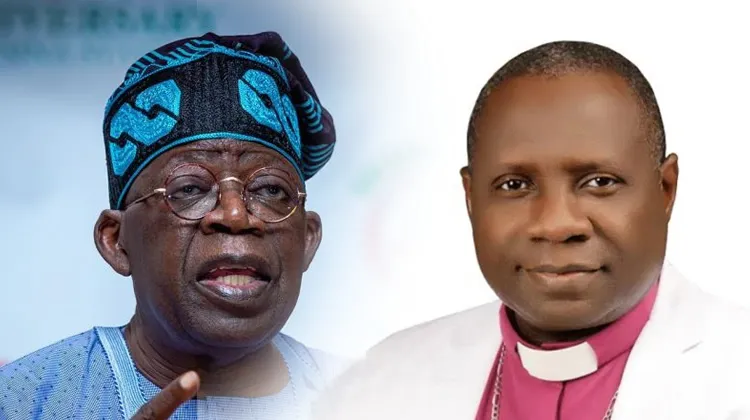
Who is involved
Easter 2026 is a significant date for Christian faithful around the world, symbolizing hope and renewal. However, in Nigeria, this year’s celebration is marred by a troubling backdrop of violence and insecurity. The prior expectation for Easter was one of joyous observance, a time for families and communities to come together in faith. Unfortunately, the reality has shifted dramatically, with rising insurgent attacks casting a shadow over the festivities.
The decisive moment came on Palm Sunday, just weeks before Easter, when at least 30 people were killed in a massacre in Jos, Plateau State. This tragic event prompted the Nigerian government to impose a 24-hour curfew in Plateau State, aiming to restore order amidst the chaos. The violence did not stop there; many communities in Benue State faced renewed attacks, leading to significant displacement. Thousands have fled to overcrowded Internally Displaced Persons (IDP) camps, seeking safety from the ongoing violence.
As Easter approached, the atmosphere was described as one of ‘depressing uncertainty’, reminiscent of the ‘Black Christmas’ experienced in 2025. Traditional Easter celebrations in places like Kwara State were severely affected, with many events canceled due to security concerns. The Catholic Bishop of Sokoto publicly criticized the government’s failure to protect citizens during such important religious festivals, highlighting the growing frustration among the populace.
In response to the escalating violence, the Easter Vigil service has been moved from its traditional midnight timing to late afternoon in several dioceses, reflecting the heightened security concerns. This change is indicative of the broader impact that insecurity has had on religious practices in Nigeria. Prayers in IDP camps have shifted from pleas for prosperity to cries for peace, illustrating the dire situation faced by many.
Expert voices have weighed in on the situation, with Pope Leo XIV emphasizing the core message of Easter during the Easter Vigil Mass. He stated that “Easter drives out hatred and brings down the mighty,” a poignant reminder of the holiday’s significance amidst turmoil. Meanwhile, President Bola Ahmed Tinubu expressed solidarity with the Nigerian people during Easter, acknowledging the ongoing security challenges that have disrupted lives and traditions.
Maryam Ishaku, a local resident, poignantly remarked, “Easter is supposed to be about the victory of life over death. But here, death seems to be winning.” This sentiment resonates deeply with many Nigerians who are grappling with the harsh realities of violence during what is meant to be a time of celebration. Similarly, Bishop Matthew Hassan Kukah lamented, “The blood of the innocent has become the grim ink with which our national history is being written,” highlighting the tragic consequences of the ongoing conflict.
As the nation observes Easter 2026, the juxtaposition of faith and fear is stark. While the holiday traditionally symbolizes hope and renewal, this year it serves as a reminder of the challenges faced by many in Nigeria. The ongoing violence and insecurity have not only disrupted celebrations but have also left a lasting impact on the communities affected. The path forward remains uncertain, and the need for peace and security is more pressing than ever.