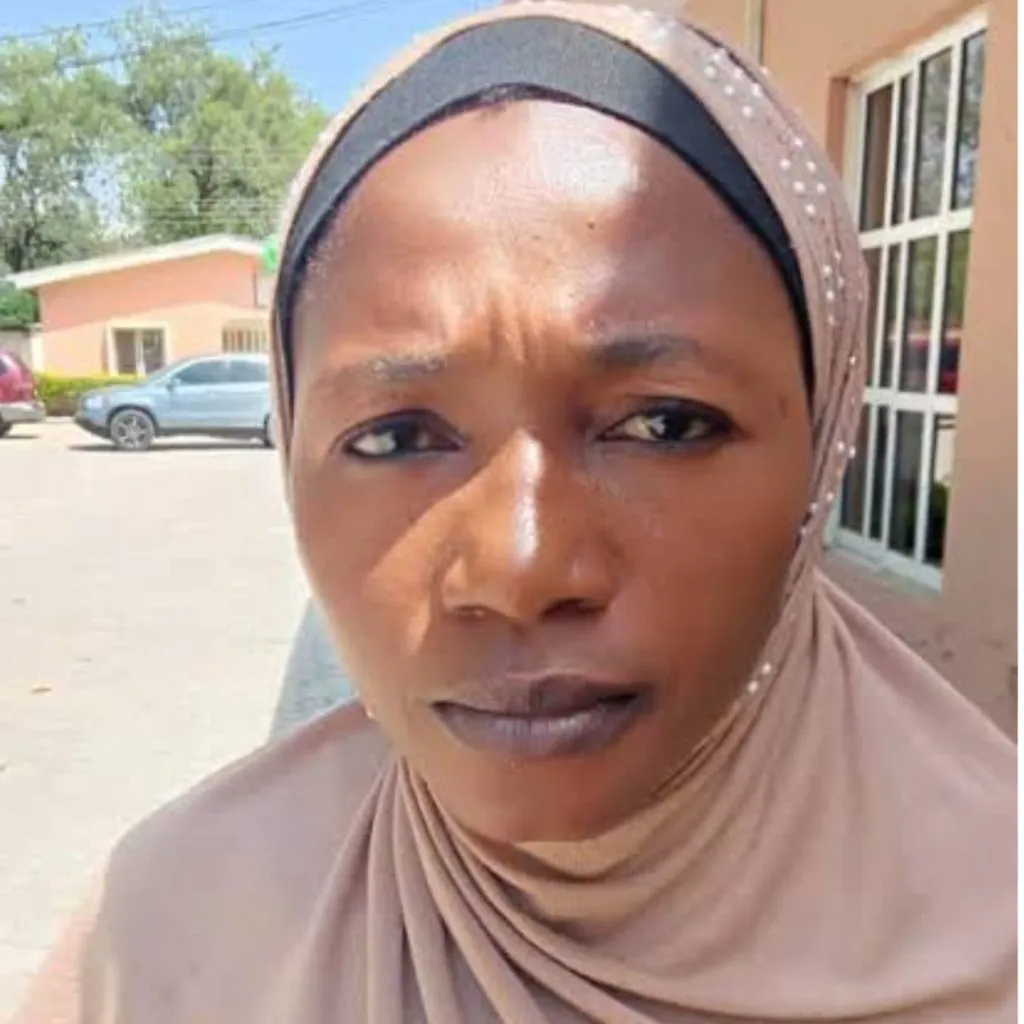
Reaction from the field
The political landscape in Nigeria is undergoing significant changes as key figures prepare for the upcoming 2027 general elections. The resignation of Minister of Foreign Affairs, Yusuf Tuggar, to pursue his governorship ambition in Bauchi State marks a pivotal moment in the lead-up to the elections, potentially reshaping the political alliances and strategies within the ruling party.
In a related development, former Kano State Governor Rabiu Musa Kwankwaso has aligned himself with the African Democratic Congress (ADC), signaling a shift in political loyalties that could impact voter dynamics in the region. Kwankwaso’s statement, “New dawn; we are ADC,” reflects his commitment to this new political chapter, which may attract supporters disillusioned with the current administration.
Meanwhile, international concerns have arisen regarding the safety of Christians in Nigeria. Riley Moore, a United States congressman, has warned that ongoing attacks on this community could strain diplomatic relations between Nigeria and the US. This warning underscores the potential for domestic unrest to have far-reaching implications on Nigeria’s foreign relations.
On the legal front, the Federal High Court in Abuja has barred the Kabiru Turaki-led faction of the Peoples Democratic Party (PDP) from accessing the party’s national secretariat, highlighting the ongoing internal crisis within the party. This legal setback may further complicate the PDP’s efforts to unify ahead of the elections, as factions continue to vie for control.
The economic situation in Nigeria remains precarious, with the Naira depreciating to an alarming rate of N1,415 per dollar in the parallel market. This depreciation poses significant challenges for the average Nigerian, as inflation continues to rise and purchasing power diminishes.
In education, the West African Examinations Council (WAEC) has released the timetable for the 2026 West African Senior School Certificate Examination, a crucial event for students across the region. This announcement comes at a time when educational institutions are grappling with various challenges, including funding and security concerns.
Additionally, the Economic and Financial Crimes Commission (EFCC) has made headlines with the arrest of Kofoworola Motunrayo Kolawole over an alleged fraud amounting to N993,247,796.70. This high-profile case reflects ongoing efforts to combat corruption within Nigeria, although the effectiveness of these measures remains to be seen.
Tragically, violence continues to plague certain regions, as gunmen killed three people and set several houses ablaze in Dangoro village, Zamfara State. Such incidents raise concerns about security and stability in the country, further complicating the political and economic landscape.