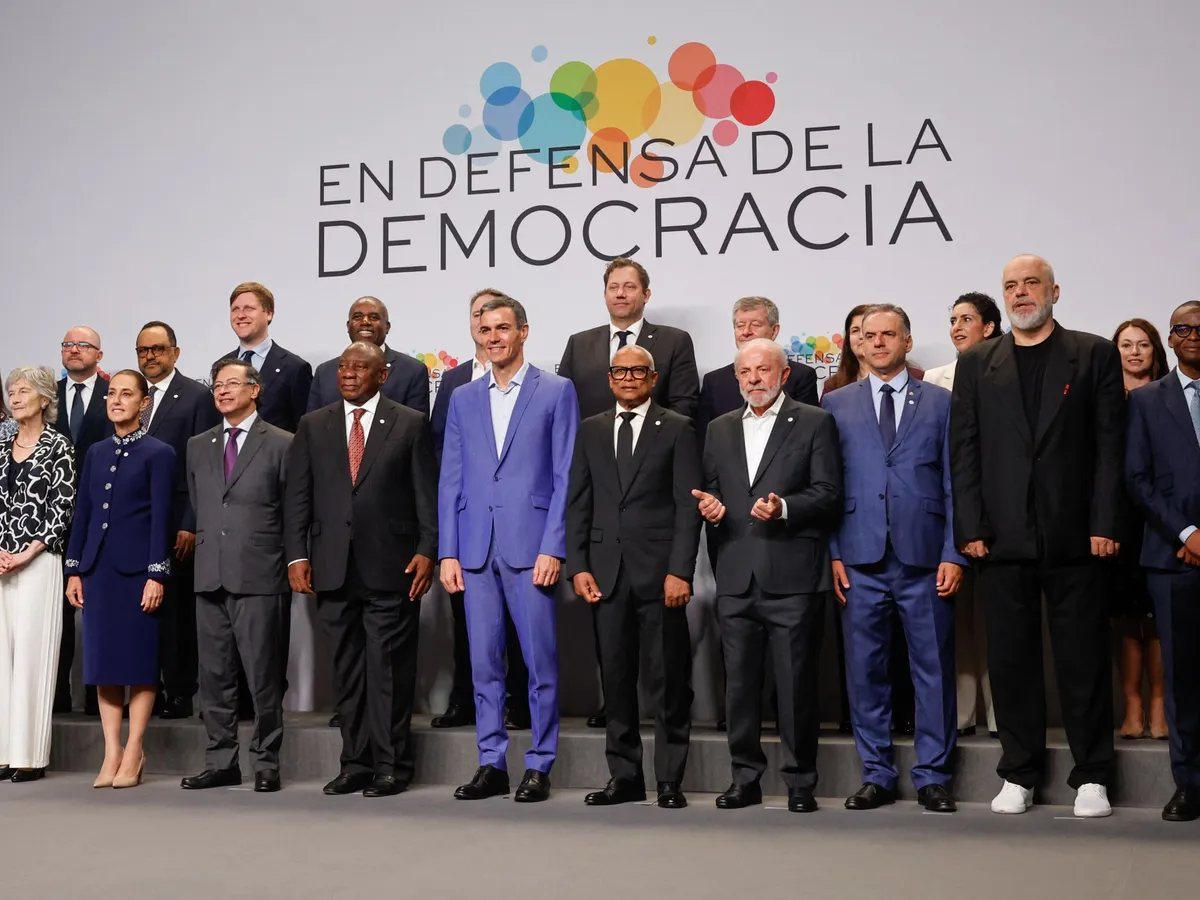
Cuba is currently facing a significant humanitarian crisis. This situation has prompted Mexico, Spain, and Brazil to pledge more aid to the island nation. The leaders of these countries expressed deep concern about the ongoing conditions in Cuba during a recent meeting in Barcelona.
The humanitarian crisis stems largely from the long-standing trade embargo imposed by the United States since the 1960s. This blockade has severely restricted Cuba’s access to essential goods, contributing to widespread shortages of food, medicine, and fuel. Fuel shortages have led to frequent energy blackouts across the country, further exacerbating the suffering of the Cuban people.
In their joint statement, the leaders emphasized their commitment to increasing humanitarian responses aimed at alleviating this suffering. They called for a “sincere and respectful dialogue” regarding Cuba’s future. They also stressed that it must ultimately be up to Cubans themselves to decide their own path forward.
But the situation remains complicated by external pressures. The U.S. has maintained its trade embargo while Donald Trump has threatened military action against Cuba in response to its political climate. Additionally, Trump has barred the import of oil from Venezuela to Cuba, intensifying fuel shortages on the island.
The humanitarian crisis in Cuba is attributed not only to these sanctions but also to internal governance issues. Miguel Diaz-Canel, the current president of Cuba, acknowledged that his country faces serious threats, including military aggression from abroad. He stated that the moment is extremely challenging for Cuba.
International leaders have warned against actions that violate international law concerning Cuba’s sovereignty. Pedro Sanchez of Spain highlighted that democracy cannot be taken for granted and emphasized the need for respect for human rights in all nations.
Details remain unconfirmed about how much aid will be delivered or how it will be distributed within Cuba. The international community continues to monitor developments closely as they unfold.
As discussions about support for Cuba progress, uncertainties linger about both immediate relief efforts and long-term solutions to stabilize the nation’s economy and governance.