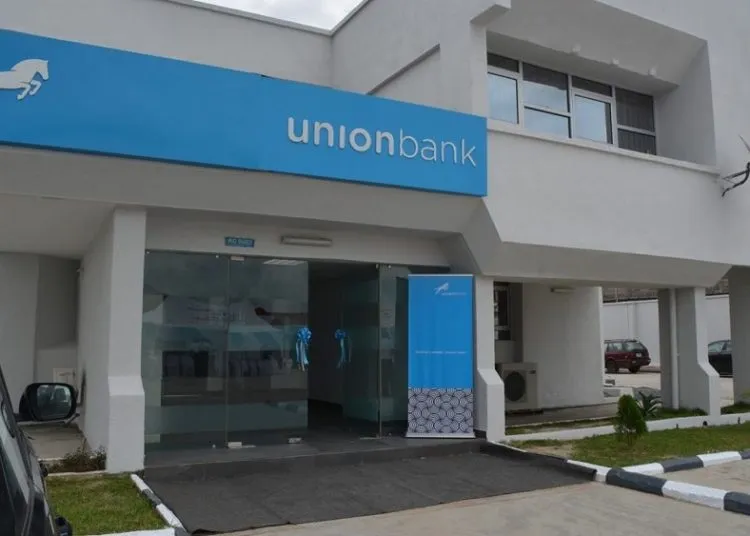
Who is involved
In January 2024, the Central Bank of Nigeria (CBN) made a significant move by dissolving the board and management of Union Bank, appointing Yetunde Oni as managing director and Mannir Ubali Ringim as executive director. This decision was met with immediate backlash from core shareholders, including Titan Trust Bank, Luxis International, and Magna International, who argued that the CBN’s actions were beyond its legal authority.
On March 26, 2026, a decisive moment occurred when the Federal High Court ruled in favor of the shareholders, ordering the restoration of the former board led by Farouk Mohammed Gumel. The court found that the CBN had acted ultra vires, meaning it had exceeded its powers, and ruled that its actions were not compliant with the Banks and Other Financial Institutions Act (BOFIA) 2020.
The court’s ruling quashed all decisions made by the CBN-appointed board and management of Union Bank, effectively halting the ongoing recapitalization process initiated under their leadership. The judgment highlighted that the shareholders’ fundamental rights were breached, as their shareholding had been reduced from 100% to 40% without a legal basis.
Justice Chukwujekwu Aneke, who presided over the case, stated, “The CBN acted beyond its powers in removing the board and management of Union Bank in January 2024.” This ruling not only reinstated the former board but also restrained the CBN and its appointed board from taking any actions related to the bank’s recapitalization.
In the wake of the ruling, the CBN acknowledged the court’s judgment and expressed its commitment to reviewing the decision while reaffirming its role in ensuring the stability and safety of Union Bank’s operations. CBN spokesperson Hakama Sidi Ali remarked, “The CBN will continue to provide the necessary regulatory oversight to ensure Union Bank operates in a safe, sound, and stable manner.”
The court’s decision has significant implications for Union Bank and its stakeholders. It not only restores the former leadership but also raises questions about the future of the bank’s operations and the legitimacy of the actions taken by the CBN-appointed board. With a capital shortfall of 224 billion Naira reported, the bank’s financial health is under scrutiny, and the shareholders’ investment of 190 million dollars is now in a precarious position.
Details remain unconfirmed regarding whether the current board can continue to carry out administrative actions following the court ruling. The situation remains fluid as stakeholders await further developments in the aftermath of this landmark decision.