Who is involved
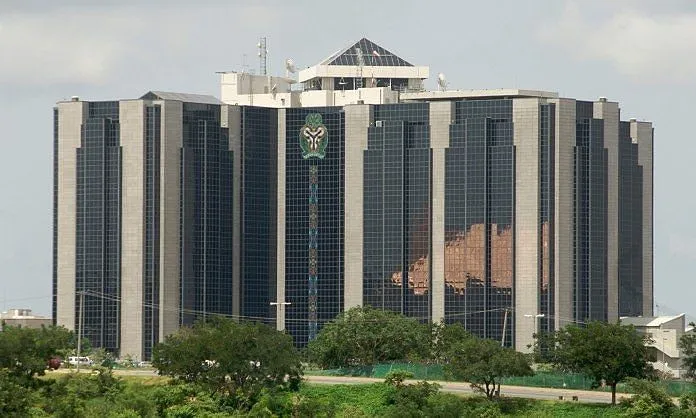
In a significant shift in Nigeria’s banking landscape, the Central Bank of Nigeria (CBN) has announced a new directive targeting chronic loan defaulters and large-ticket obligors with non-performing loans. This development marks a decisive moment in the CBN’s approach to managing the financial system, which has been plagued by issues of delinquency and poor repayment culture for years.
Prior to this announcement, the expectation within the banking sector was that regulatory forbearance would continue, allowing borrowers with significant outstanding debts to maintain access to banking services. However, the CBN’s recent actions indicate a clear departure from this leniency. The new measures restrict these defaulters from accessing fresh credit and essential banking instruments, effectively blacklisting them from the financial system.
The immediate effects of this policy are profound. The CBN aims to enforce credit discipline and safeguard the financial system by instilling a culture of repayment among high-profile borrowers. Olayemi Cardoso, the CBN Governor, emphasized the bank’s zero tolerance for violations of corporate governance, stating, “Our stance on corporate governance is unequivocal: zero tolerance for violations.” This statement underscores the CBN’s commitment to accountability and compliance within the banking sector.
As a result of these changes, the CBN has signaled that the era of regulatory forbearance for delinquent borrowers is over. The bank is pivoting toward an orthodox monetary policy focused on price stability, which is expected to attract new capital into the banking sector. Reports indicate that the sector has already attracted N4.61 trillion in new capital, highlighting the potential positive impact of these stringent measures.
Experts believe that this shift will not only enhance the liquidity of banks but also improve the safety of deposits. By tightening supervision and elevating compliance standards, the CBN is reinforcing the integrity of the financial system. Cardoso noted, “By ending years of regulatory forbearance, we have reinforced accountability, tightened supervision, and elevated compliance standards across the sector.” This perspective reflects a growing consensus that stricter regulations may ultimately benefit the banking industry and its stakeholders.
However, the implications for those blacklisted are severe. Individuals or entities classified as chronic defaulters will face significant challenges in accessing financial services, which could hinder their ability to conduct business and manage their financial obligations. The CBN’s actions may lead to a more cautious lending environment, as banks reassess their risk exposure to high-profile borrowers.
As the CBN implements these measures, the long-term effects on the banking sector and the broader economy remain to be seen. While the immediate goal is to enhance credit discipline, the potential for increased financial stability and growth could reshape Nigeria’s economic landscape. Details remain unconfirmed regarding the specific criteria for blacklisting and the process for borrowers to regain access to banking services.