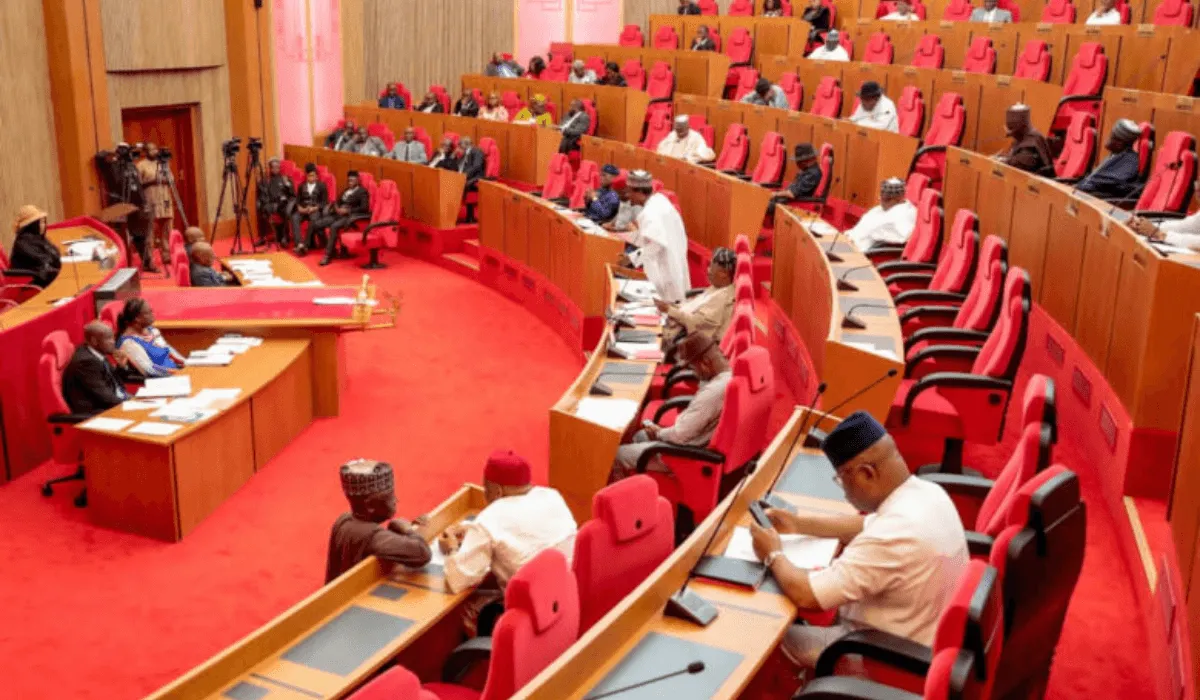
On August 14, 2024, discussions surrounding the salaries of Nigerian Senators intensified, particularly focusing on the compensation structure and the implications it has for governance in Nigeria. Senator Abdurrahman Kawu Sumaila, who has been vocal about the issue, revealed that each Senator receives a substantial amount for administrative expenses.
Senator Sumaila stated that each Senator in Nigeria is allocated N21 million monthly to cover the costs associated with running their offices. However, he clarified that his official monthly salary is less than N1 million, and after deductions, he takes home approximately N600,000.
Despite the seemingly low salary, the total amount Sumaila receives each month is around N22 million, which includes the administrative expenses. This figure raises questions about the transparency and justification of such allocations, especially in a country facing economic challenges.
Former President Olusegun Obasanjo has previously criticized lawmakers for awarding themselves excessive salaries, suggesting that the current compensation structure is unsustainable and unjustifiable. His remarks have reignited debates about the ethical implications of such salaries in the context of Nigeria’s socio-economic landscape.
In a response to Obasanjo’s accusations, Sumaila pointed out that during Obasanjo’s tenure, large sums were introduced to lawmakers, suggesting that the current system may have roots in past administrations. This exchange highlights the ongoing tensions between current lawmakers and past leadership regarding financial governance.
Sumaila emphasized, “The amount of salary received per month is less than one million naira; if there are cuts, it comes back to about six hundred thousand naira and a little something as salary.” This statement aims to clarify misconceptions about the Senators’ earnings amidst widespread public scrutiny.
He also noted that the N21 million allocated monthly is intended to cover various operational costs, including domestic travel and purchasing newspapers. This raises further questions about how these funds are utilized and whether they align with the public’s expectations of accountability.
As the discourse continues, many Nigerians are left wondering about the implications of these salary structures on governance and public trust. The situation remains fluid, with various stakeholders calling for greater transparency and reform in how lawmakers are compensated.
Details remain unconfirmed regarding the exact nature of the financial arrangements and the broader impact on the legislative process. The ongoing discussions reflect a critical moment in Nigeria’s political landscape, where the relationship between public service compensation and accountability is under intense scrutiny.
Ultimately, the revelations about Senators’ salaries and the accusations exchanged between lawmakers and former leaders underscore the need for a reevaluation of compensation practices within Nigeria’s political framework.