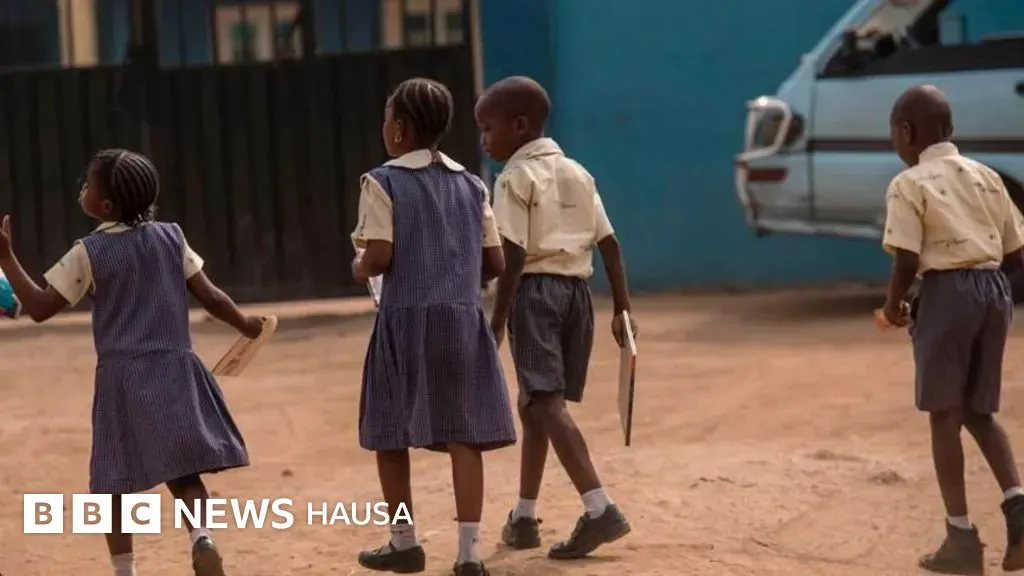
The reopening of schools in Nigeria is significantly influenced by improvements in security conditions. Approximately 70% of previously closed schools have reopened, allowing many children to return to their studies.
Many families had previously left their homes due to ongoing security issues. This exodus led to a significant number of children missing out on education. Currently, over 18 million children are not attending school in Nigeria.
As security has improved, schools have begun to reopen. Reports indicate that many areas that were once deemed unsafe are now secure enough for educational activities to resume.
Key facts:
- Over 18 million children are not attending school in Nigeria.
- Approximately 70% of previously closed schools have reopened due to improved security.
- Many families have left their homes due to security issues.
Officials have noted that the reopening of schools is crucial for the future of these children. The lack of education can lead to long-term consequences for both individuals and society.
One source mentioned, “Harkar tsaro ta sa waɗanda suke zaune da iyayensu sun bar wurin, makarantun da ke a nan, an rufesu.” This highlights the impact of security on families and educational institutions.
Another report stated, “Waɗannan wurare a da duk an rufe makarantansu amma yanzu cikin ikon Allah kusan kashi 70 cikin 100 na waɗannan wurare an samu tsaro kuma an buɗe akasarin makaruntu ko ana kan buɗewa.” This reflects optimism about the current situation.
The situation remains delicate. While many schools are reopening, challenges persist. The government and communities must work together to ensure that all children can safely return to their classrooms.