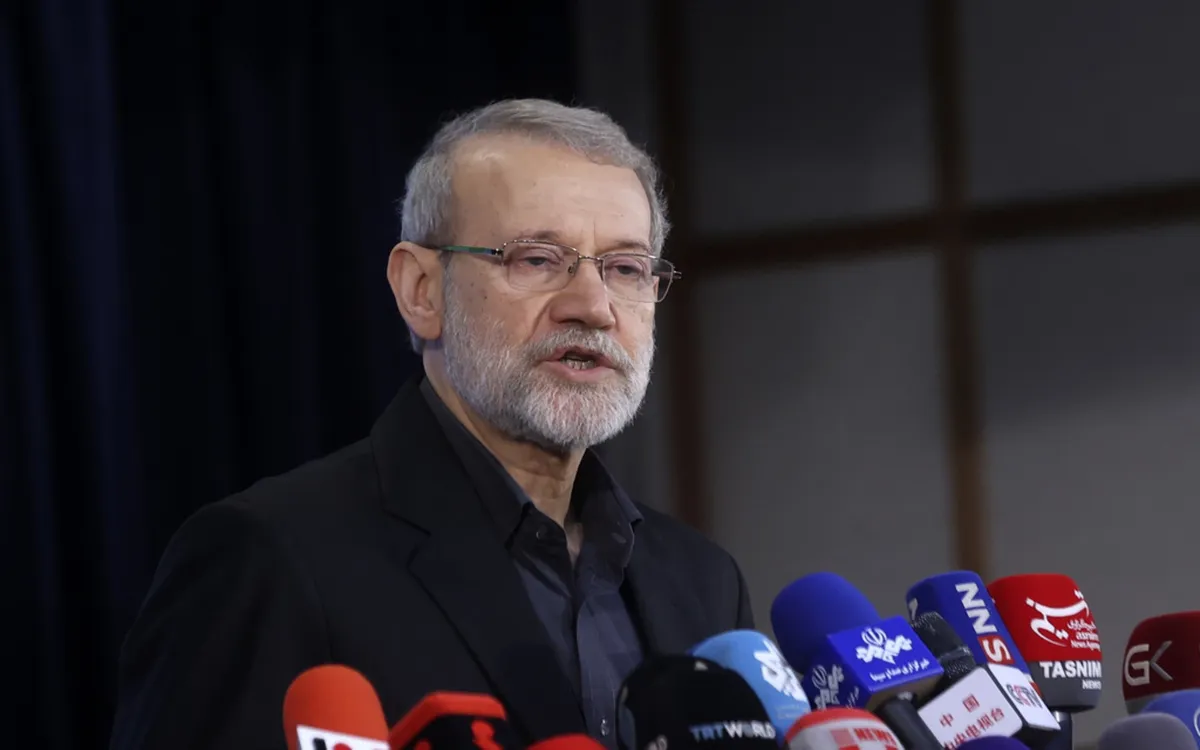
Ali Larijani, a significant figure in Iran’s political landscape, was reportedly killed in Israeli strikes on March 17, 2026, along with Gholamreza Soleimani, the commander of the Basij militia. This development has raised alarms regarding Iran’s ability to coordinate its security operations, particularly against Israel.
Larijani, who served as the secretary of Iran’s Supreme National Security Council, was considered a pivotal player in the Iranian government following the death of Ayatollah Ali Khamenei. His role as Iran’s chief nuclear negotiator from 2005 to 2007 further established his influence within the regime.
Shortly before his death, Larijani was seen at a pro-Palestinian rally in Tehran, highlighting his ongoing commitment to regional issues. The Israeli military described him as a prominent figure in the Iranian regime, suggesting that his elimination could significantly impact Iran’s strategic capabilities.
Israel’s Minister of Defence announced the killings, stating, “The leaders of the regime are being killed and their capabilities terminated.” This sentiment was echoed by Gideon Saar, who remarked, “Iranians are safer without him.” Such statements underscore the Israeli perspective on Larijani’s role in Iran’s hostile activities.
In a statement from the Israel Defense Forces (IDF), it was noted that Larijani functioned as the de facto leader of the Iranian regime. IDF spokesperson Avichay Adraee emphasized that his death constitutes a further blow to Iran’s abilities to manage and coordinate hostile activity against Israel.
Despite these reports, Iran has not confirmed the deaths of Larijani and Soleimani, leading to uncertainties about their status. Observers are left questioning whether they may still be alive, as the Iranian government has yet to release any official statements regarding the incident.
Larijani was honored in a message released by Iranian media shortly before his death, indicating his stature within the regime. The implications of his death are profound, as it is seen as a significant setback for Iran’s strategic operations.
As the situation unfolds, analysts will be watching closely to see how Iran responds to this loss and what it means for the future of its leadership and regional strategies.
Details remain unconfirmed.