How it unfolded
In March 2025, the Economic and Financial Crimes Commission (EFCC) began investigating Aisha Achimugu, a prominent figure in Nigeria, over allegations of money laundering and her involvement in a Ponzi scheme. This investigation was prompted by the tracing of funds linked to contractors working for the Lagos State Government. The EFCC discovered that a significant portion of these funds, amounting to $855 million, was sourced from contractors associated with the state government.
By April 2025, the EFCC had identified that $13 million of these funds was used by Oceangate Engineering Limited as part-payment for the acquisition of oil blocks. The payments were made in five installments, totaling $13 million, as part of a larger $20 million payment made to the federal government for the oil blocks, which had a total price of $37.2 million. The funds raised during this period were deemed to be of fraudulent origin.
On March 26, 2026, the Federal High Court in Abuja ordered a permanent forfeiture of the $13 million to the Nigerian government, citing the fraudulent nature of the funds. Judge Emeka Nwite noted that the explanations provided by Achimugu’s company regarding the suspicious payments were not convincing, leading to the court’s decision. The EFCC stated that the $13 million used by Oceangate to pay for the Signature Bonuses were not proceeds of any lawful business.
Aisha Achimugu’s lifestyle has drawn public attention and controversy over the past two years, particularly in light of her alleged involvement in these financial irregularities. The EFCC has declared her wanted due to her connections to the controversial MBA Trading and Capital Limited, which has further fueled public scrutiny.
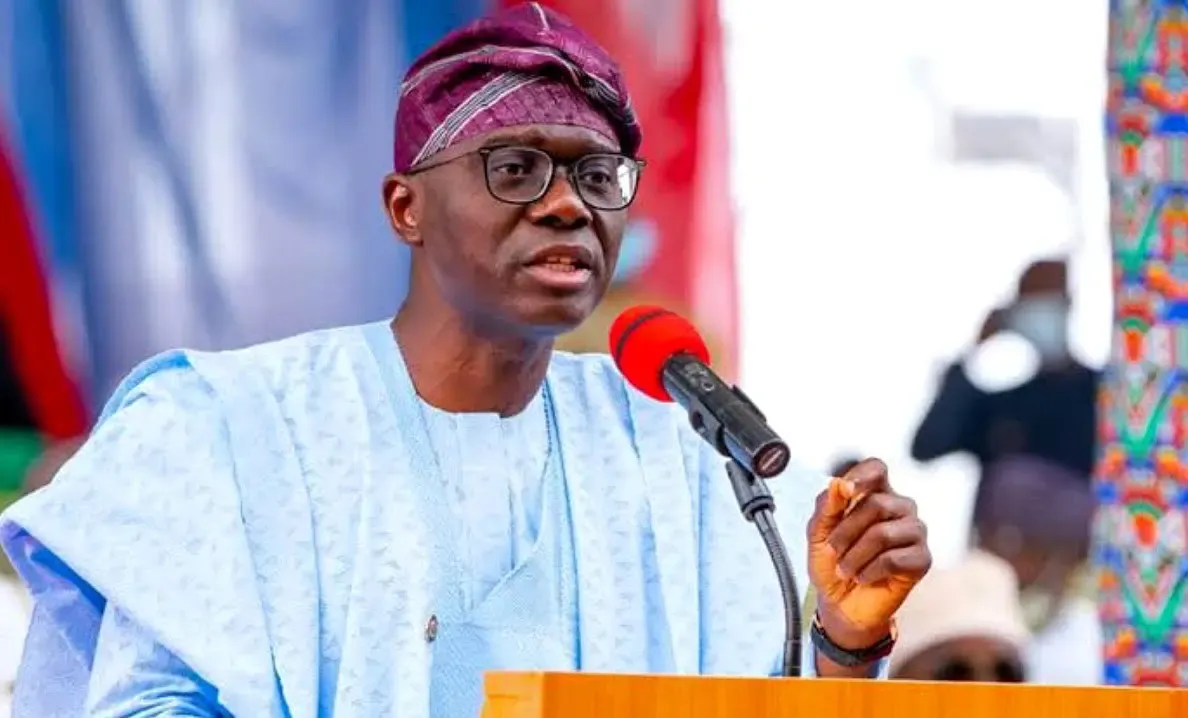
The investigation has also raised questions regarding the relationship between Achimugu and Governor Babajide Sanwo-Olu. The EFCC’s inquiry into Sanwo-Olu was prompted by the tracing of funds to contractors linked to the Lagos State Government, leading to speculation about the governor’s potential involvement in the transactions. However, details remain unconfirmed regarding whether Sanwo-Olu had direct knowledge of these dealings.
As the investigation continues, the identities of the contractors involved in the suspicious transactions have not been disclosed to avoid jeopardizing ongoing investigations. This secrecy adds to the complexity of the case and the public’s interest in the unfolding events.
Overall, the $13 million forfeiture case against Aisha Achimugu highlights significant issues surrounding corruption and financial misconduct within Nigeria’s governmental and business sectors. The implications of this case could resonate beyond Achimugu, potentially affecting other officials and contractors involved.