The wider picture
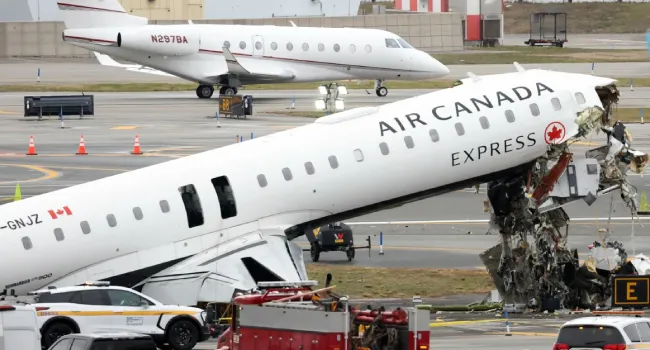
Michael Rousseau, the CEO of Air Canada, is set to retire by the end of the third quarter of 2026. This decision comes in the wake of significant backlash regarding his proficiency in French, particularly following a recent incident where he issued an English-only condolence message after a fatal air collision that resulted in the deaths of two pilots, including Quebec native Antoine Forest.
Rousseau’s message drew widespread criticism, with Prime Minister François Legault describing it as lacking compassion. The incident has reignited discussions about the importance of bilingualism in Canada, especially given that Air Canada is mandated to provide services in both English and French under the Official Languages Act. Rousseau, who has lived in Montreal for 14 years, has faced ongoing scrutiny for his limited French skills, despite the fact that his wife and mother are fluent in the language.
In response to the backlash, Rousseau issued an apology, stating, “I sincerely apologize for this, but I am continuing my efforts to improve.” He acknowledged that he is still unable to express himself adequately in French, a sentiment that has resonated with many in the Quebec community. His previous apology in 2021 for delivering a speech almost entirely in English further highlights the ongoing challenges he has faced in this regard.
The reaction to Rousseau’s message was swift, with the office of the commissioner of official languages receiving over 2,000 complaints. Mark Carney, a prominent figure in Canadian finance, expressed his disappointment, stating, “I am very disappointed, as others are, rightly so, in this unilingual message.” This sentiment reflects a broader concern among Quebec lawmakers, who have called for Rousseau to step down due to his language skills.
Looking ahead, observers are noting that the next CEO of Air Canada will need to be fluent in French, as emphasized by François Legault, who stated, “The next CEO must be fluent in French as a matter of respect.” This expectation underscores the significance of bilingualism in the Canadian corporate landscape, particularly for a national airline that serves a diverse population.
As Rousseau prepares for his departure, the airline faces the challenge of finding a successor who not only meets the linguistic requirements but also possesses the leadership qualities necessary to navigate the evolving aviation industry. The implications of this transition are likely to be closely monitored by stakeholders and the public alike.
In summary, Michael Rousseau’s retirement marks a pivotal moment for Air Canada, as the airline seeks to address the concerns surrounding language proficiency and its commitment to serving all Canadians. The future leadership will undoubtedly play a crucial role in shaping the company’s direction in the years to come.