What the data shows
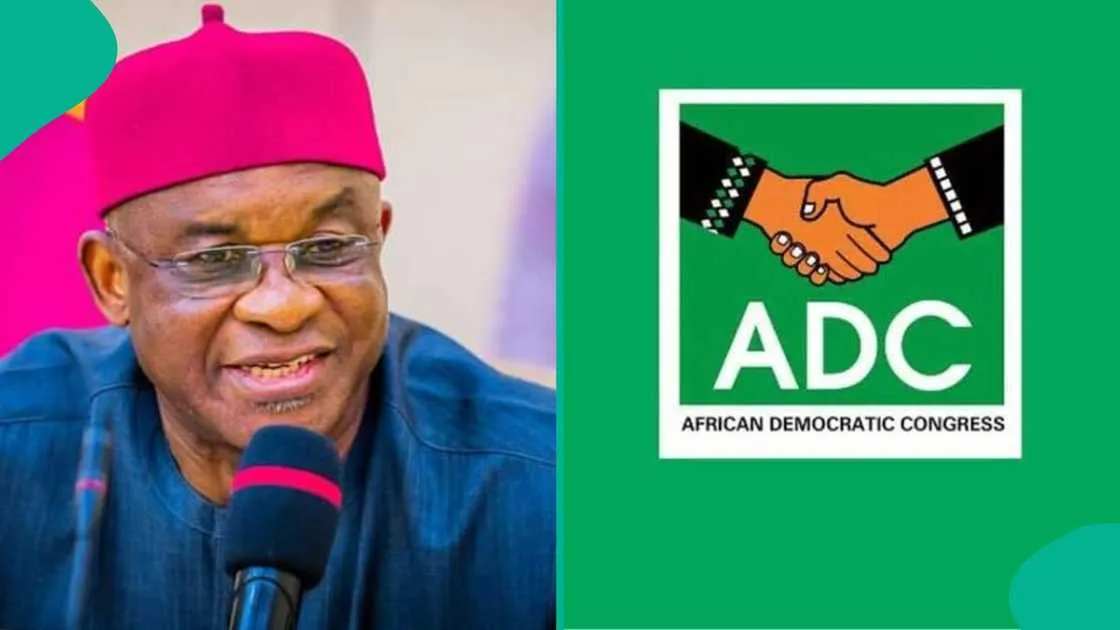
The central question surrounding the African Democratic Congress (ADC) is: who will be the party’s presidential candidate for the 2027 general election? The ADC is currently working towards adopting a consensus approach in selecting its candidate, which is seen as a strategic move to strengthen its position in the upcoming elections.
Bolaji Abdullahi, the National Publicity Secretary of the ADC, has emphasized that the party is prioritizing this consensus method over direct primaries, despite having provisions for them. This decision comes in light of recent amendments to the Electoral Act, which have rendered indirect primaries obsolete. Abdullahi stated, “We are trying as much as possible to adopt the consensus approach because that is the least costly for us.” This indicates a calculated effort to minimize expenses while maximizing political influence.
The ADC’s decision to pursue a consensus approach is also a response to the current political landscape dominated by the ruling All Progressives Congress (APC). With 31 governors and 90% of the national assembly under its control, the APC, led by Bola Tinubu, presents a formidable challenge. Abdullahi has been vocal in critiquing the APC’s reliance on Tinubu’s leadership, asserting that “If you take power out of APC, APC is actually nothing. I know the party well.” He further claimed that in a free and fair election, the APC would struggle to secure a victory, stating, “In any free and fair election in Nigeria today, there’s no way APC will win.”
As the ADC positions itself as a major opposition platform, it is considering several prominent political figures for its presidential ticket. Notable names include former Vice President Atiku Abubakar, former Anambra Governor Peter Obi, and ex-Transportation Minister Rotimi Amaechi. These potential candidates bring significant political experience and public recognition, which could enhance the ADC’s appeal to voters.
Abdullahi’s remarks also reflect a broader sentiment of uncertainty within the APC, as he noted that despite their overwhelming governance, they appear unsettled about the upcoming elections. He remarked, “They should be preparing for Tinubu’s win given their overwhelming governance. But they are unsettled because they know in a free and fair election, there is no way they can win.” This statement underscores the ADC’s strategy to capitalize on perceived vulnerabilities within the ruling party.
As the ADC moves forward with its plans for the 2027 elections, the consensus approach may serve as a unifying strategy to consolidate support among its members and potential allies. The party’s ability to navigate the complexities of Nigerian politics and forge coalitions with other opposition figures will be crucial in determining its success in the upcoming election cycle.
Details remain unconfirmed regarding the finalization of the ADC’s candidate and the specific dynamics of potential alliances. However, the party’s commitment to a consensus approach signals a proactive stance in the competitive political landscape of Nigeria, as it seeks to emerge as a viable alternative to the APC.