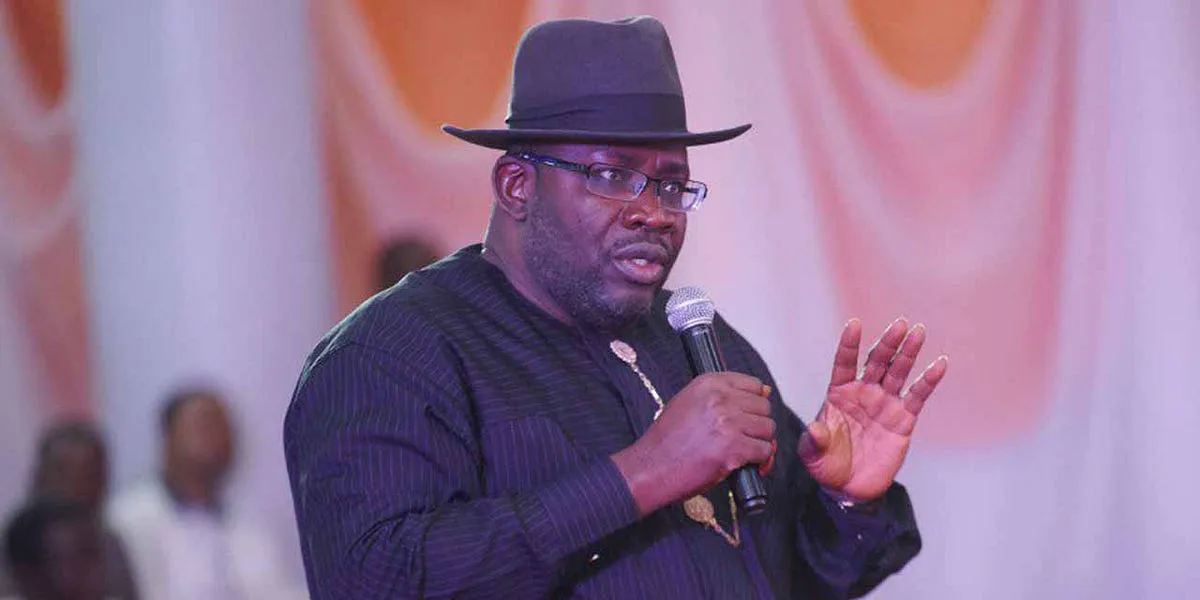
Seriake Dickson’s defection is part of a broader effort to strengthen democratic institutions in Nigeria. Having served as the governor of Bayelsa State from 2012 to 2020, Dickson has been a prominent figure in Nigerian politics since joining the Peoples Democratic Party (PDP) in 2005. His recent announcement comes at a time when the political landscape in Nigeria is evolving, with a total of 21 registered political parties following the registration of the Nigeria Democratic Congress (NDC), one of the two new parties recognized by the Independent National Electoral Commission (INEC).
Breaking Development
On March 5, 2026, Dickson announced his resignation from the PDP during a press briefing in Abuja, where he revealed his decision to join the NDC. This move marks a significant shift in his political career, as he becomes the only lawmaker representing the NDC in the Senate. During the announcement, Dickson received membership card number 001 from the NDC, symbolizing his commitment to the new party and its goals.
In his statements, Dickson expressed concerns about the current state of the PDP, stating, “The PDP today is in the intensive care unit, and the doctors are not smiling.” He emphasized the importance of a multi-party system in Nigeria, asserting, “This nation cannot be a one-party state. Nigeria cannot be a one-party state.” His comments reflect a growing sentiment among some politicians that a healthy democracy requires strong opposition and credible alternatives.
Future Implications
As Dickson transitions to the NDC, he highlighted the party’s vision for fostering democracy in Nigeria. He stated, “Democracy thrives on strong opposition, healthy debate and credible alternatives, and that is what we intend to build.” Observers note that his defection could influence the political dynamics in Nigeria, particularly in the Senate, where he will now represent the interests of the NDC.
Furthermore, Dickson’s departure from the PDP raises questions about the future of the party and its ability to maintain its influence in Nigerian politics. His remarks about the PDP’s condition suggest that the party may need to reassess its strategies and leadership to remain competitive in the evolving political landscape.
Looking Ahead
As the NDC gains visibility with Dickson’s high-profile defection, political analysts will be closely monitoring the party’s development and its impact on the upcoming electoral cycles. Dickson’s commitment to building a strong opposition could resonate with voters seeking alternatives to the traditional political parties in Nigeria.
In summary, Seriake Dickson’s shift to the NDC signifies a pivotal moment in Nigerian politics, underscoring the ongoing need for a robust multi-party system. The coming months will reveal how this change will affect both the NDC and the PDP as they navigate the complexities of Nigeria’s political environment.