Introduction
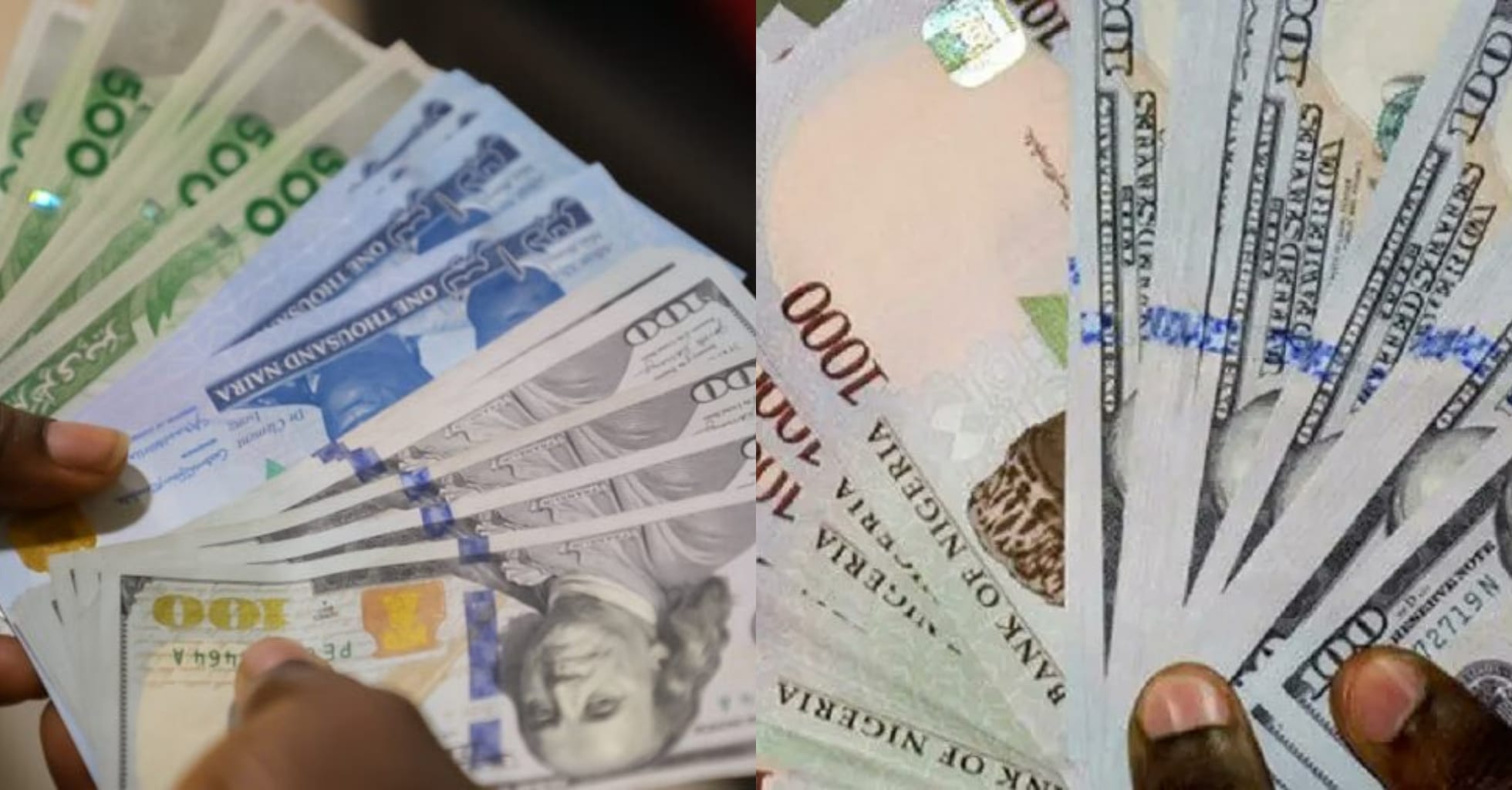
The depreciation of the Naira against the US Dollar has become a significant concern for Nigeria’s economy in recent months. As the Naira weakened, reports indicate a growing impact on inflation, cost of goods, and economic stability. Understanding the factors behind this depreciation is crucial for both businesses and consumers alike.
Current Situation
As of October 2023, the Naira has fallen to approximately 800 Naira for 1 US Dollar on the parallel market, a sharp decline from about 600 Naira earlier in the year. This depreciation is mainly attributed to a combination of factors including reduced foreign reserves, high demand for foreign currency, and economic policies affecting market confidence.
Economic Factors
The Central Bank of Nigeria (CBN) has attributed the recent devaluation to ongoing pressures in the global oil market and a need for stronger regulatory frameworks to stabilize the currency. Data from various financial analysts reveal that the volatility in oil prices, a primary source of Nigeria’s foreign exchange, has a direct correlation with the strength of the Naira. Furthermore, trade deficits and limited foreign investment inflows exacerbate the situation.
Impact on the Population
This depreciation is not only a concern for financial institutions but also has direct consequences for the average Nigerian. Prices of essential goods, including food and fuel, have surged, leading to increased living costs. The National Bureau of Statistics reported an inflation rate of over 20%, with many households struggling to meet basic needs. The ripple effects of a weaker Naira also influence the cost of imported medicines and raw materials for industries.
Government Response
The Nigerian government has been actively discussing measures to address the currency crisis. Strategies such as promoting local production, enhancing foreign direct investment, and implementing monetary policies aimed at attracting foreign reserves are on the table. Analysts believe that efforts to improve economic stability and confidence could potentially mitigate the long-term impacts of the Naira’s depreciation.
Conclusion
The depreciation of the Naira against the dollar presents a complex challenge that affects every level of Nigerian society. With rising costs and ongoing economic fluctuations, it is essential for both the government and citizens to remain informed of these developments. Analysts forecast that unless significant policy changes or economic improvements occur, the trajectory of the Naira’s value may continue to be precarious, emphasizing the need for proactive measures to restore stability.