Introduction
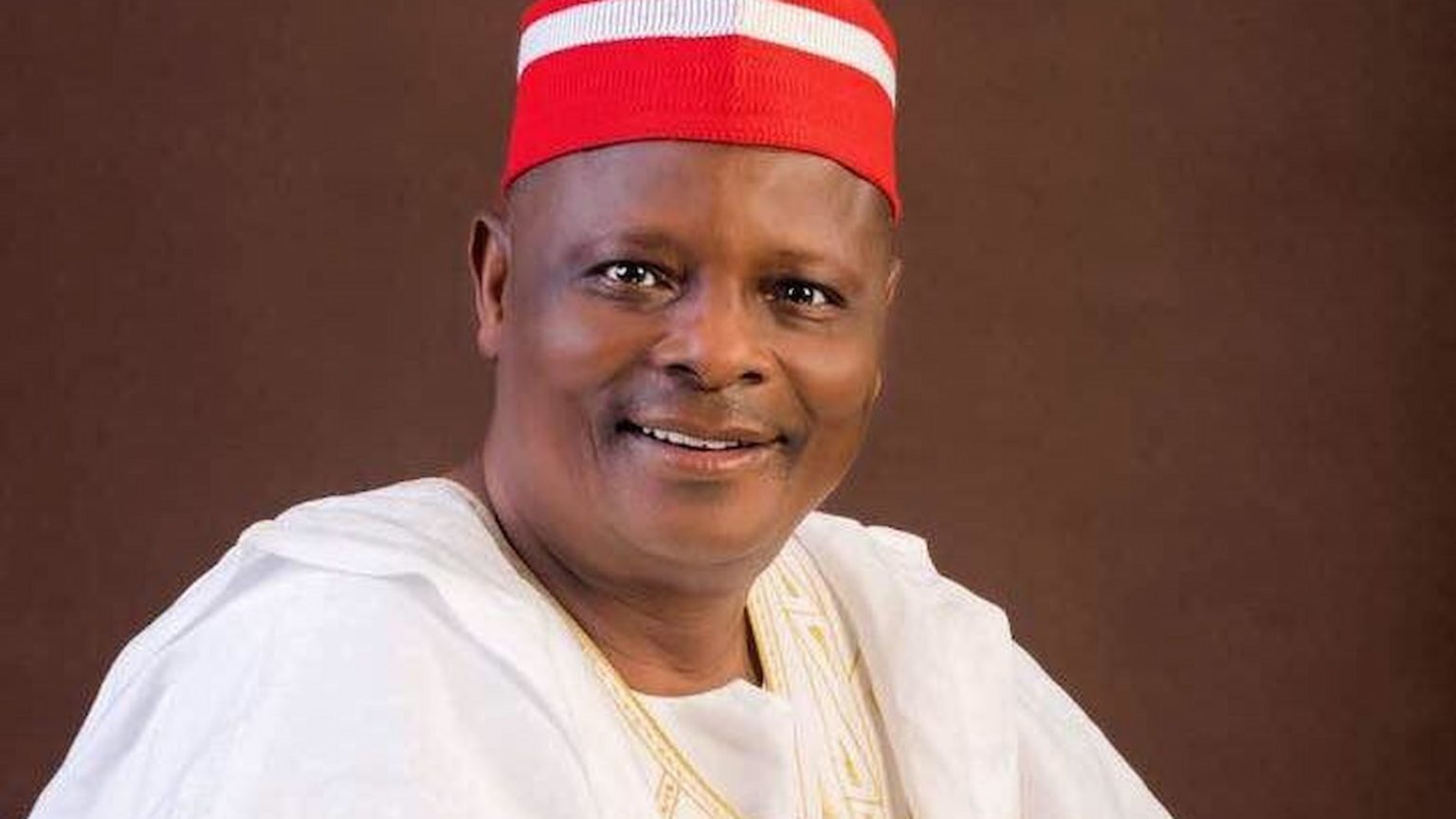
Rabiu Kwankwaso, a prominent Nigerian politician and former governor of Kano State, continues to be a significant figure in the country’s political landscape. His journey reflects the complexities of Nigerian governance and highlights the evolving role of young leadership in shaping socio-economic policies. As the nation gears up for future elections, Kwankwaso’s influence and ideological stance remain pivotal for many aspiring politicians and voters alike.
Political Journey and Achievements
Kwankwaso began his political career in the early 1990s, initially serving as a member of the House of Representatives. He became the governor of Kano State first from 1999 to 2003 and then from 2011 to 2015, showcasing his ability to engage with grassroots politics. His administration focused on infrastructural development, educational reforms, and healthcare improvements, emphasizing a vision of progress through comprehensive change. His notable policies included the establishment of the Kwankwasiyya movement, a socio-political group aimed at empowering youth and promoting political participation among the populace.
Recent Political Activities
In recent events, Kwankwaso has declared his intention to contest in the upcoming presidential elections, positioning himself as a candidate for the New Nigeria Peoples Party (NNPP). His campaign focuses on addressing pressing issues such as insecurity, economic instability, and corruption. Kwankwaso’s past experience, particularly his tenure as a governor, provides him with a unique perspective on governance, which he seeks to apply at the federal level. His ability to connect with the electorate, coupled with his grassroots mobilization strategies, makes him a formidable contender.
Challenges and Outlook
Despite his accomplishments, Kwankwaso faces various challenges as he navigates the competitive political arena. The political landscape in Nigeria is fraught with complexities, including party dynamics, regional rivalries, and the need for broad-based support to achieve electoral success. His vision for a more united Nigeria also hinges on appealing to diverse voter bases across different regions. Kwankwaso’s leadership style will be crucial in addressing these challenges and galvanizing support towards his political ambitions.
Conclusion
Rabiu Kwankwaso’s trajectory exemplifies the potential for transformative leadership in Nigeria. As the political landscape continues to evolve, his role and decisions will significantly affect both the immediate and long-term strategies needed to tackle Nigeria’s socio-economic issues. Political observers and citizens alike will be watching closely as he advances his agenda, hoping to reshape Nigeria’s future.