Introduction
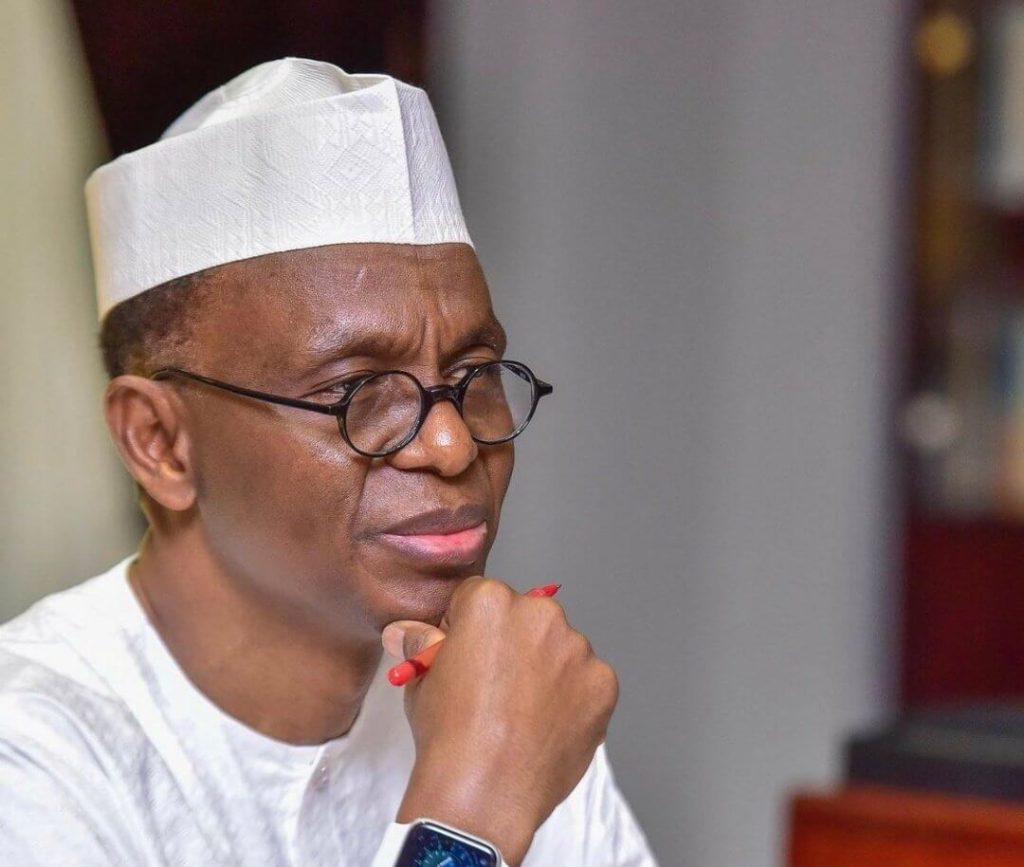
Nasir El Rufai, the Governor of Kaduna State, has become a pivotal figure in Nigeria’s political landscape. His role extends beyond regional governance as he influences national policies and discourse. Understanding his strategies and actions is essential for recognizing the dynamics of Nigerian politics, especially in a country facing numerous security and economic challenges.
Background of El Rufai
Born on February 16, 1960, El Rufai is a trained architect and politician. He began his political career in the 1990s, serving in various capacities within the government. He gained attention while serving as the Director-General of the Bureau of Public Enterprises during President Olusegun Obasanjo’s administration, where he drove significant economic reforms.
Governance in Kaduna State
El Rufai was first elected the Governor of Kaduna State in 2015. His administration is characterized by ambitious reforms in sectors such as education, healthcare, and infrastructure. Despite facing criticism for his stringent policies, he has notably advocated for the digitization of public services and the improvement of infrastructure, aiming to attract investments to the region.
Current Political Climate
As Nigeria approaches the 2023 elections, El Rufai’s influence continues to resonate. He is aligned with the ruling All Progressives Congress (APC) and has been a vocal supporter of the party’s candidate. His recent remarks regarding the security challenges facing the North have sparked debates, pushing for federal attention to the crisis in the region. The clampdown on banditry and terrorism remains a primary focus for his administration, although results have been mixed.
El Rufai’s Legacy and Future
Looking ahead, the impact of El Rufai’s leadership style on Nigeria’s governance will likely shape future political dynamics. Some view him as a reformist capable of steering the country towards progress, while others criticize his autocratic tendencies. Regardless, his role in Kaduna State and nationwide policies will be significant in the years to come.
Conclusion
El Rufai’s political journey has underscored the complexities of Nigerian governance. His extensive reforms, contentious policies, and the surrounding political narratives invite both support and opposition. For citizens and political analysts alike, observing El Rufai’s actions provides insights into the evolving nature of leadership in Nigeria, especially in a time when critical issues such as security and economy persist. As his tenure continues, the implications of his decisions will echo through both state and national affairs.