Introduction
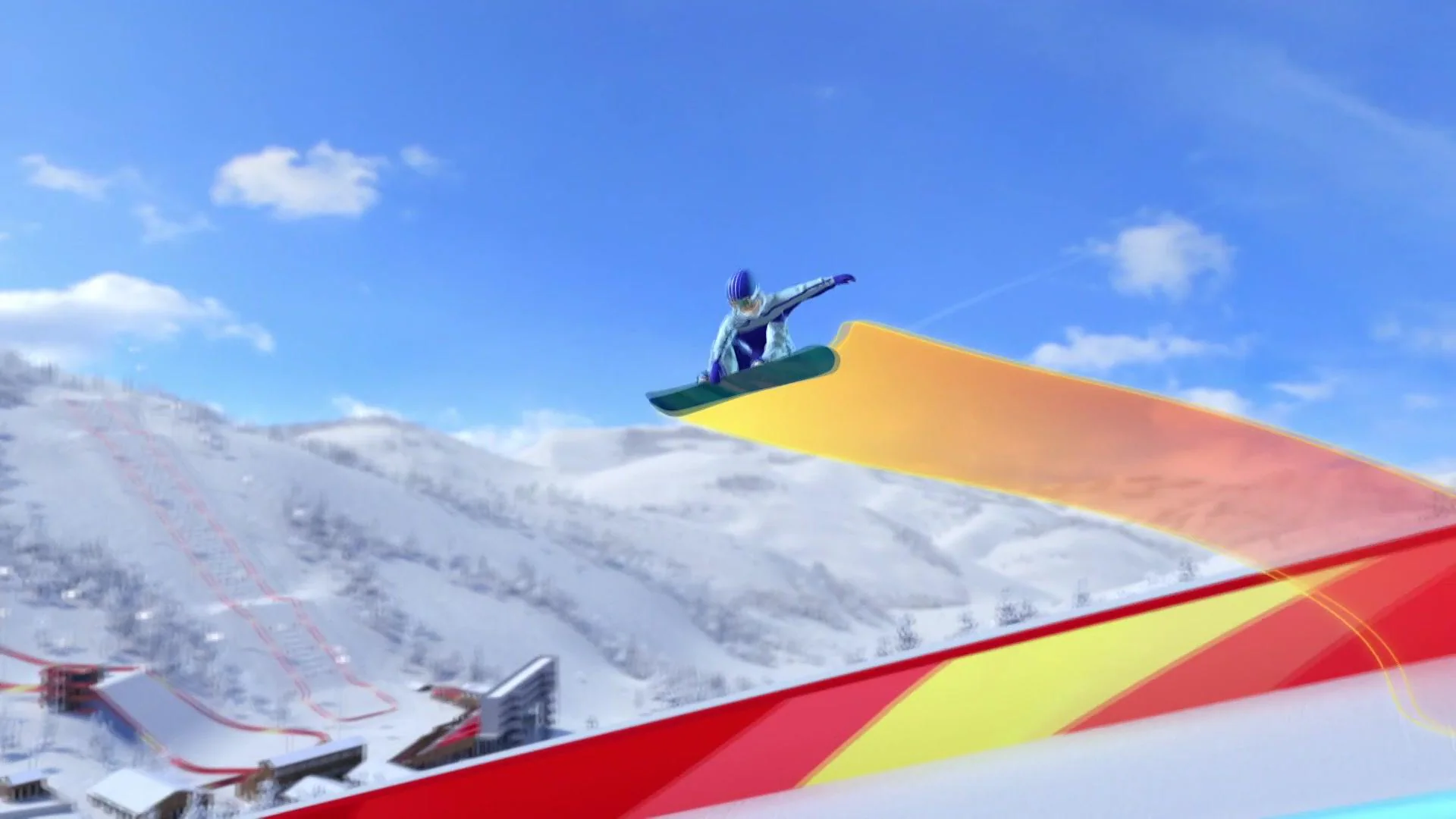
The 2026 Winter Olympics, set to take place in Milan and Cortina d’Ampezzo, Italy, is poised to showcase a thrilling array of winter sports. Among the most anticipated events is the women’s snowboarding halfpipe, a competition that has gained immense popularity over the years. With its blend of athleticism, artistry, and adrenaline, this event not only highlights the skills of female athletes but also marks a significant moment in the ongoing quest for gender equality in sports.
Development of Women’s Snowboarding Halfpipe
Since its inclusion in the Olympic program in 2002, women’s snowboarding halfpipe has undergone substantial growth. Female snowboarders have pushed the boundaries of what is possible in the sport, performing complex tricks and showcasing stunning runs. Athletes like Chloe Kim, who won gold at the 2018 Winter Olympics at just 17 years old, have become household names, inspiring a new generation of female snowboarders. As the 2026 Olympics approach, many are eager to see how these athletes will continue to evolve their performances.
Current Landscape and Competitors
The competition leading up to the 2026 Winter Olympics is heating up. Major snowboarding events and world cups are taking place globally, with athletes from various countries vying for Olympic qualification. As of 2023, the U.S. team, featuring the likes of Chloe Kim and Maddie Mastro, is considered a powerhouse. Meanwhile, international competitors from countries like Japan, Switzerland, and Canada are also gaining momentum, making the upcoming event intensely competitive.
Implications for Future Generations
The inclusion and prominence of women’s events, particularly in snowboarding, at the Olympic Games is a crucial step towards creating more opportunities for women in sports. As the sports landscape continues to evolve, the visibility of female athletes in high-profile events encourages young girls to pursue their passions in snowboarding and other winter sports, fostering a richer, more inclusive athletic community.
Conclusion
The women’s snowboarding halfpipe event at the 2026 Winter Olympics is not just a competition; it is a celebration of talent, resilience, and progress in the realm of women’s sports. As we look forward to this exciting event, the stakes have never been higher, and the potential for inspiring stories and record-breaking performances is vast. Fans can expect exhilarating showcases of skill, as these athletes not only compete for medals but also for the advancement of women in winter sports.