Introduction
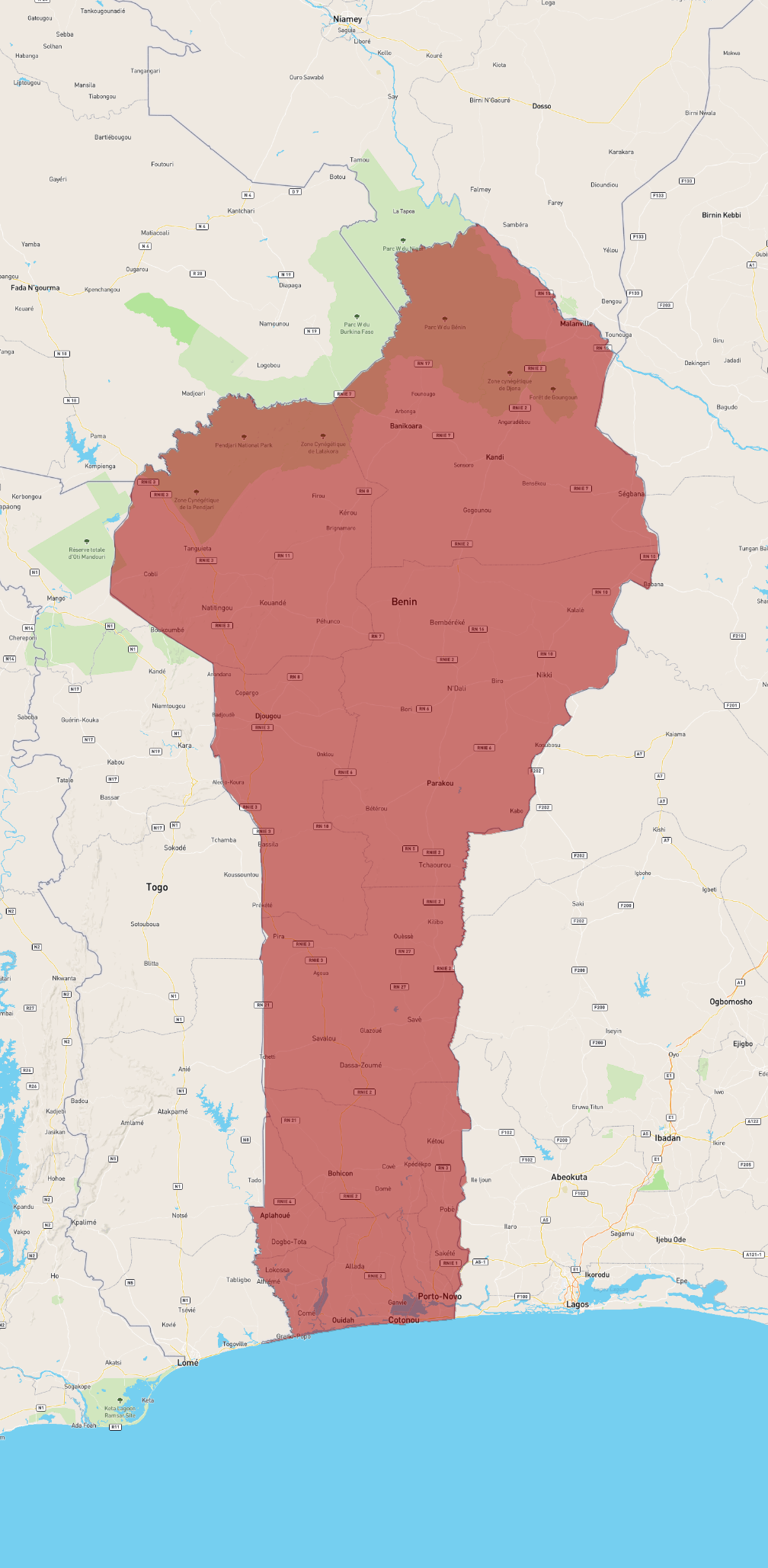
Benin, located in West Africa, is a country rich in culture, history, and potential for economic development. This small but significant nation is often overshadowed by its neighbors, yet it possesses a unique heritage and a growing economy that is becoming increasingly important in the region. Understanding Benin’s cultural and economic landscape is crucial not just for the people of Benin but for anyone interested in the broader West African narrative.
Cultural Heritage
The Republic of Benin is known for its vibrant culture, influenced by its history as the center of the Dahomey Kingdom. This historical kingdom was prominent during the 17th to 19th centuries and played a crucial role in the transatlantic slave trade. Today, the legacy of these times can be seen in its traditions, festivals, art, and religion. The annual Voodoo Festival, celebrated on January 10 each year in Ouidah, draws thousands of tourists and is a symbol of Benin’s rich spiritual heritage.
Tourism is a burgeoning industry in Benin, with attractions such as the Royal Palaces of Abomey, classified as a UNESCO World Heritage site, serving as a testament to the country’s Royal history. Additionally, the coastline, featuring beautiful beaches and the historic city of Cotonou, provides opportunities for beach tourism and cultural exploration.
Economic Growth
Economically, Benin is undergoing a transformation. The government has implemented various reforms aimed at improving the business environment and attracting foreign investment. Key sectors driving the economy include agriculture, trade, and services. Cotton is the primary export crop, and in recent years, efforts have been made to diversify agricultural products.
Furthermore, the recent development of the Cotonou Port aims to enhance trade capabilities, making it a strategic hub in West Africa. The port’s expansion is expected to significantly boost the economy, creating jobs and facilitating international trade.
Conclusion
In conclusion, Benin stands at a crossroads of tradition and modernity. Its rich cultural heritage attracts global attention, while its economic reforms hold the promise of growth and improved living standards for its citizens. As the country continues to carve out its identity on both cultural and economic fronts, it remains essential for stakeholders—local and international—to engage with and support Benin’s journey of development. The future is bright for this West African nation as it leverages its unique assets for sustained growth.