Introduction
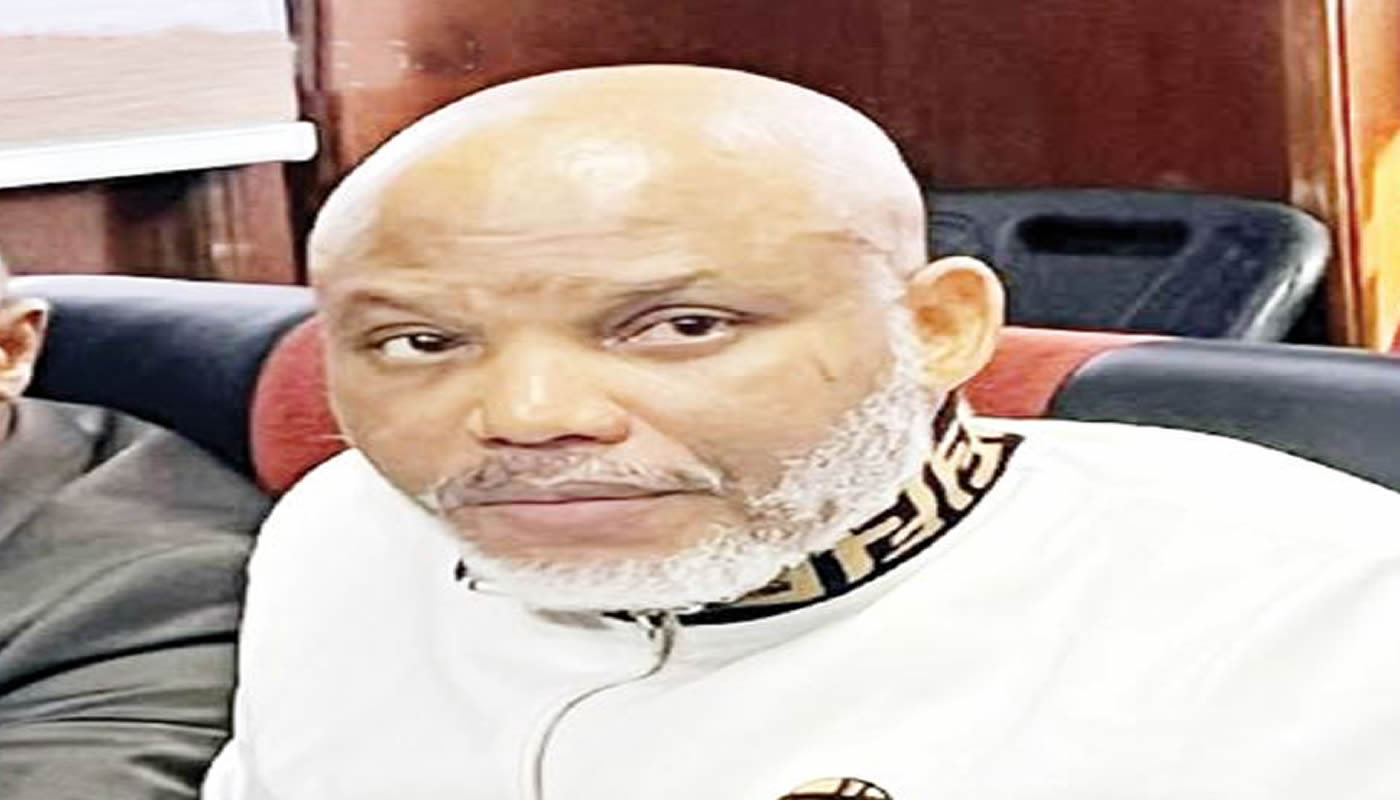
Nnamdi Kanu, the leader of the Indigenous People of Biafra (IPOB), remains a pivotal figure in Nigeria’s sociopolitical landscape. His arrest and subsequent legal battles have generated significant public discourse concerning human rights, regional autonomy, and national security. The latest developments surrounding Kanu’s case are crucial as they could influence ongoing conversations about governance and the rights of ethnic groups within Nigeria.
Main Body
On October 4, 2023, the Court of Appeal in Abuja heard a case regarding Kanu’s extradition and the legality of his ongoing detention. Kanu was initially arrested in 2021 under contentious circumstances, which sparked widespread protests in southeastern Nigeria. These disturbances have drawn international attention to his plight and the actions of the Nigerian government.
Recent reports highlight that the legal team representing Kanu has petitioned for his release on the grounds of human rights violations. Defense lawyers argue that Kanu’s constitutional rights have been disregarded throughout the judicial process, notably during his arrest and subsequent detention, which they claim did not follow due process. The government’s response has sparked further debate, as it insists that Kanu’s activities threatening national unity need to be prosecuted.
Dialogue and Impact
Discussions regarding Kanu’s imprisonment also reflect broader issues concerning ethnic relations in Nigeria. Ethnic tensions have been aggravated by conflicts over governance and resource control, particularly in the southeast. Kanu’s supporters view him as a symbol of resistance to perceived marginalization, while the Nigerian government sees him as a threat to sovereignty.
Furthermore, Kanu’s case has prompted calls for more dialogue between the federal government and ethnic nationalities across Nigeria, as regional sentiments have been rising against central authority. Many believe that resolving Kanu’s case could serve as a litmus test for addressing wider sociopolitical grievances in the country, especially considering the impending general elections.
Conclusion
The legal journey of Nnamdi Kanu extends beyond his personal plight; it embodies a tangled web of ethnic identity, rights, and national discourse. As the Court deliberates on Kanu’s fate, observers are keenly watching how the outcomes will affect not only the region’s stability but also Nigeria’s overall political climate. The situation serves as a reminder of the pressing need for inclusive governance and respect for human rights, which are essential for peace and unity in Nigeria.