Introduction
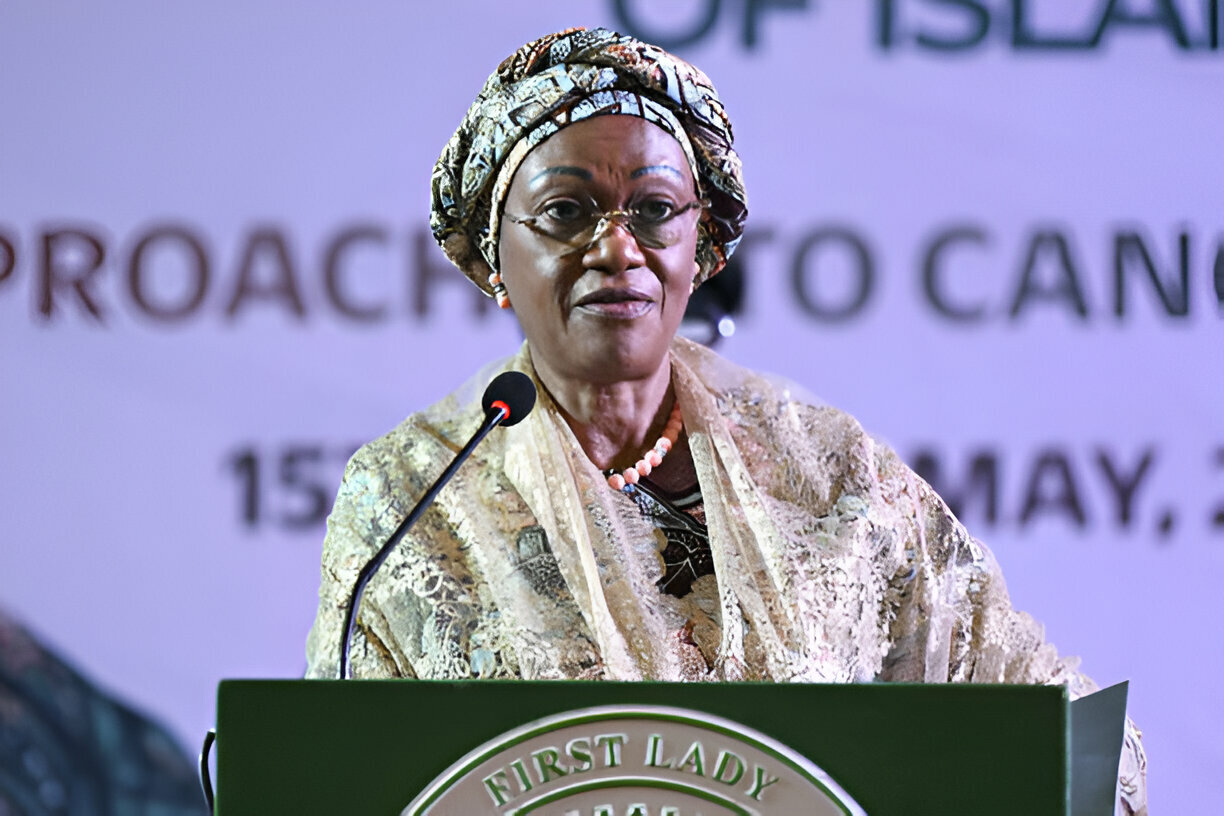
Remi Tinubu, as a prominent figure in Nigerian politics, has garnered attention for her role and influence in public service. As the wife of Bola Ahmed Tinubu, the current President of Nigeria, her contributions go beyond her marriage into areas of social welfare and community development. Understanding her background and current engagements is essential because it sheds light on the dynamics of governance in Nigeria and the involvement of first ladies in public policy.
Career and Contributions
Remi Tinubu, born on September 21, 1960, is a trained lawyer and a seasoned politician. Her advocacy for women’s rights and youth empowerment has made significant impacts in Lagos State and beyond. She has worked in various capacities, including her tenure as a senator representing Lagos Central. During this period, she pushed for legislation aimed at improving health care, education, and community empowerment.
In recent years, Tinubu has championed programs aimed at eradicating poverty and fostering education among women and children. Her active role in the “Hope for Women in Nigeria Initiative” has been particularly impactful, focusing on enhancing opportunities for women through skill acquisition and vocational training.
Recent Events
As of October 2023, Remi Tinubu has maintained her visibility in Nigerian society, participating in numerous events, including the advocacy for victims of domestic violence and child marriage. Her recent collaboration with various NGOs and civil society groups in Lagos has centered on creating a safer environment for vulnerable populations. Moreover, she has engaged in discussions about health policies, especially in the wake of the COVID-19 pandemic, emphasizing the need for accessible health care for all Nigerians.
Additionally, her involvement in supporting her husband’s administration’s policies highlights a collaborative approach to governance, showcasing her strategic positioning as both a spouse and political ally. During public speeches, she often emphasizes the importance of inclusiveness in democratic processes, urging the younger generation to get involved in politics.
Conclusion
Remi Tinubu’s influence in Nigerian politics reflects the broader role that first ladies can play in governance. Through her advocacy for women’s rights and her commitment to community service, she has not only positioned herself as a cornerstone of the current administration but has also inspired many Nigerians. As Bola Ahmed Tinubu’s presidency unfolds, the impact of her contributions will likely be significant in shaping policies aimed at improving the lives of Nigerians, and it is clear that her role is integral to the political landscape of the nation.